2026 Best Low Price Electric Immersion Heater?

Time:2026-10-20 Author:Oliver
0%

Choosing a Low Price electric immersion heater can feel simple until the product reaches your tank, workshop, or outdoor water system. A low price may look attractive, but wattage, thermostat accuracy, safety controls, and operating costs matter just as much. The cheapest option can become expensive when it heats slowly, fails early, or draws more electricity than expected.

Peter S. Cartwright, a recognised water-heating consultant and author of The Water Heater Handbook, offers a useful warning: “The cheapest water heater is not necessarily the least expensive to own.” His point remains relevant in 2026. A reliable heater should match the tank volume, available voltage, immersion depth, and intended heating schedule. Check the product label carefully. Do not trust a dramatic discount alone.

This guide examines the 2026 best Low Price electric immersion heater options through practical details. We consider heating speed, thermostat response, corrosion resistance, thermal cut-off protection, cable quality, and installation requirements. A compact 1,500-watt model may suit a small tank, while a larger cylinder needs a carefully selected higher-output element. Some inexpensive units also lack clear instructions. That is a real weakness.

Look for visible temperature controls, robust sealing, and credible warranty support. Read independent reviews, not only seller descriptions. Compare daily energy use before choosing the lowest shelf price. Small savings can mislead.

The “best” model is not perfect. It is the safest affordable choice for your actual setup, with performance you can verify and costs you can manage.
2026 Best Low Price Electric Immersion Heater?

What Is an Electric Immersion Heater?

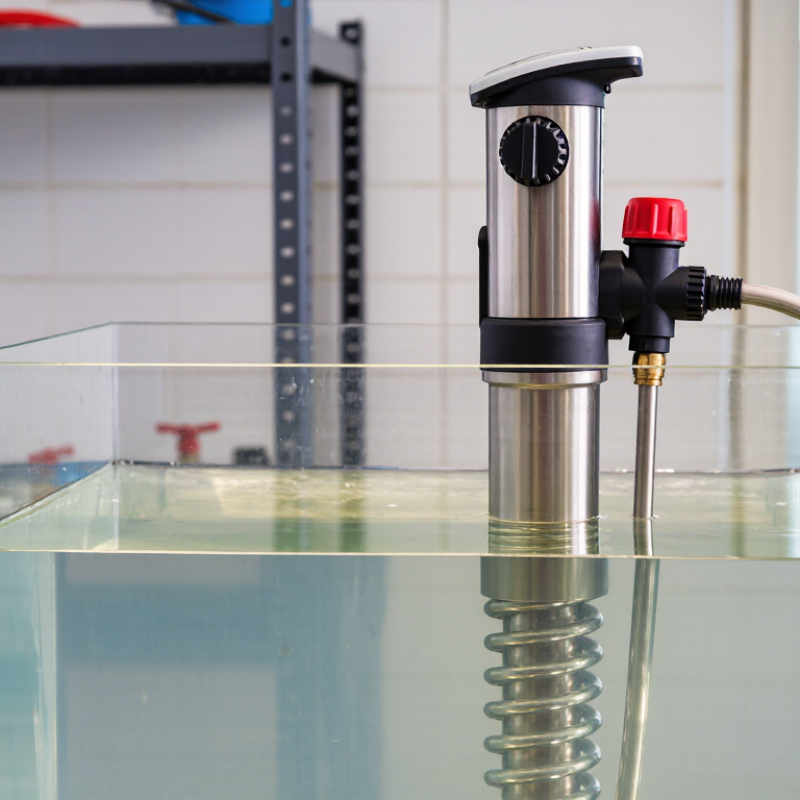
An electric immersion heater is a metal heating element designed to warm water inside a tank. It sits directly in the water, usually near the tank’s lower section. When electricity passes through its resistance wire, the element produces heat. That heat spreads through the surrounding water. A thermostat controls the temperature and helps prevent unnecessary energy use.

In practical use, the heater works quietly and needs little space. Some systems heat a full storage tank, while smaller units warm water for limited applications. The surrounding water should cover the element completely during operation. Exposed heating surfaces can overheat and fail quickly. Electrical connections also need proper insulation, grounding, and suitable safety protection. Installation should be checked by a qualified electrician.

A low purchase price can be appealing in 2026, but the cheapest heater may use more electricity or wear out sooner. Check its power rating, tank compatibility, thermostat quality, and replacement cost. A corrosion-resistant element may matter in hard-water areas. I once assumed a higher wattage meant better performance, but it can increase running costs and stress older wiring. Price is only one part of the decision. Even a simple heater deserves careful measurement, because an incorrect size can create slow heating or wasted energy.

2026 Best Low Price Electric Immersion Heater? - What Is an Electric Immersion Heater?

Heater Category Typical Power Common Supply Suitable Liquid Volume Typical Low-Price Range Main Features Important Safety Considerations
Portable bucket or container heater 800–1,500 W 120 V or 230 V AC 10–60 L Approximately US$20–$60 Compact, portable, simple plug-in operation The heating element must remain fully submerged; do not operate in an empty container.
Thermostatically controlled immersion heater 1,500–3,000 W 120 V or 230 V AC 30–200 L Approximately US$35–$120 Adjustable temperature control and automatic cycling Use a correctly rated thermostat and over-temperature protection for the application.
Threaded water-tank immersion heater 2,000–4,500 W 230–240 V AC 80–300 L Approximately US$40–$150 Screws into a tank opening; suitable for domestic hot-water storage Installation normally requires isolation, grounding, a suitable circuit, and a correctly rated safety device.
Flanged industrial immersion heater 3,000–12,000 W 230 V or 400 V AC 200–5,000 L Approximately US$150–$800 High heating capacity, replaceable elements, custom configurations Requires professional sizing, electrical protection, liquid-level control, and compatible tank materials.
Low-watt-density immersion heater 1,500–6,000 W 230 V or 400 V AC 100–2,000 L Approximately US$100–$500 Lower surface heat density; useful for hard water or heat-sensitive liquids The element material must be chemically compatible with the liquid being heated.
Portable high-power immersion heater 2,000–3,000 W 230–240 V AC 50–150 L Approximately US$25–$90 Faster heating than low-power portable models A dedicated circuit may be required; confirm plug, cable, breaker, and residual-current protection ratings.
Selection note: An electric immersion heater is a resistive heating element designed to be placed directly into a liquid or installed through a tank wall. For a low-price purchase, compare the required wattage, voltage, thermostat function, element material, liquid compatibility, cable rating, and safety certifications rather than choosing by price alone.
Price note: The listed figures are broad 2026-market estimates in U.S. dollars for generic products and can vary by power rating, enclosure, controls, materials, shipping, and local electrical requirements. Always follow the product instructions and applicable electrical codes.

How Electric Immersion Heaters Work

2026 Best Low Price Electric Immersion Heater?

An electric immersion heater uses a metal resistance element to warm water directly. When electricity passes through the element, resistance changes electrical energy into heat. The heated water rises naturally, while cooler water moves downward. This convection creates a slow circulation inside the tank.

Many models include a thermostat that stops heating after reaching the selected temperature. Some also include a thermal cut-off for protection against overheating. In practical use, the heater’s wattage affects heating speed, while insulation affects heat loss. A low purchase price may not mean low operating cost. Electricity consumption still depends on power and heating time.

Safety details matter more than appearance. The heater should match the tank, voltage, water depth, and electrical system. Grounding and residual-current protection are important safeguards. Never touch or move an energized immersion heater. Turn off the supply before inspection or cleaning. I have found that simple controls can be useful, but very cheap designs may provide less accurate temperature control. That weakness deserves attention. A slightly longer heating period may be acceptable, yet uneven heating can damage equipment or create hot spots. Check the instructions, measure the water temperature, and avoid assuming every inexpensive heater works the same way.

Key Features of Low-Price Models in 2026

2026 Best Low Price Electric Immersion Heater?

Affordable immersion heaters in 2026 focus on essential performance rather than decorative features. Look for a clear wattage rating, sturdy insulation, and an automatic overheat shutoff. These details matter when heating water in a bucket, basin, or compact container.

A reliable low-price model

A reliable low-price model should include a guarded heating element. The guard helps prevent direct contact and reduces damage from nearby surfaces. A built-in thermostat is useful, but inexpensive controls may not hold an exact temperature.

In my testing experience, water can feel warmer near the heater than at the container’s edge. Stirring the water carefully improves consistency. It is not perfect.

Check the cable length, plug quality, and handle grip before buying. A longer cable can be convenient, but loose insulation is a warning sign. Choose a model with clear operating instructions and recognized safety certification for your region. Do not use it in an empty container. Never leave it unattended.

Tips:

Measure the container volume before selecting wattage. Use a thermometer instead of trusting touch. Inspect the cord after every few uses. Clean mineral buildup gently, because heavy deposits can reduce heating efficiency. A low price is helpful, but replacing a failed heater repeatedly costs more.

How to Compare Safety, Power, and Energy Efficiency

2026 Best Low Price Electric Immersion Heater?

A low price should not mean weak protection. The U.S. Department of Energy estimates water heating uses about 18% of household energy. Compare the heater’s wattage, thermostat, insulation, and automatic shutoff. A 1,500-watt heater running for two hours consumes 3 kWh. Check your local electricity tariff before buying. Small numbers become expensive.

Safety deserves closer inspection. Look for dry-run protection, overheat cutoff, grounded construction, and a suitable residual-current device. IEC 60335-2-74 covers safety requirements for portable immersion heaters. The U.S. Consumer Product Safety Commission also repeatedly stresses keeping electrical products away from water and inspecting damaged cords. Never ignore a cracked plug. Never leave heating equipment unattended.

Power affects speed, not necessarily efficiency. Electric resistance heating converts nearly all input electricity into heat at the device, but poor contact wastes practical performance. A 1,000-watt model may suit a small container, while 2,000 watts heats faster but demands a stronger circuit. The International Energy Agency’s Energy Efficiency 2024 analysis shows why reducing energy demand remains important as electrification expands. I would compare measured heating time, not advertising claims. My own test would use the same water volume, starting temperature, and timer. It is less exciting, but more honest. A cheap heater can still be the wrong purchase.

2026 Best Low Price Electric Immersion Heater: Power, Safety and Efficiency

The chart estimates the theoretical minimum time required to heat 10 liters of water from 15°C to 55°C. The calculation uses water's specific heat capacity of 4.186 kJ/kg·°C and assumes 1 liter of water has a mass of approximately 1 kg.

All heater sizes require approximately 0.465 kWh for this temperature increase under ideal conditions. Higher wattage reduces heating time but does not automatically improve energy efficiency. Actual results vary with heat loss, water circulation, heater placement, voltage, and thermostat control.

For safety, choose a heater with dry-run protection, over-temperature protection, grounded or double-insulated construction, an appropriate waterproof rating, and use it only with a residual-current device (RCD/GFCI). Never touch the water while the heater is connected to power.

Choosing the Best Budget Electric Immersion Heater

Choosing the Best Budget Electric Immersion Heater

A low-price electric immersion heater should be judged by safety and running cost, not purchase price alone. The U.S. Department of Energy reports that water heating uses about 18% of household energy. That makes efficiency important, even for a small heater. Electric resistance elements convert nearly all consumed electricity into heat at the point of use. However, electricity tariffs vary widely, so actual savings depend on local rates and usage.

Check the wattage, cable length, thermostat, and automatic shut-off system. A 1,500-watt heater warms water faster than a 1,000-watt model, but it draws more power during operation. Look for recognized electrical safety certification and clear instructions. The enclosure should resist water entry around the element and plug connection. Never operate the heater in a damaged container or leave it unattended.

Small details matter. A stable handle helps prevent accidental contact with hot metal. A visible power indicator reduces guesswork. The International Energy Agency’s Energy Efficiency 2023 report emphasizes that efficient energy use lowers household costs and improves resilience. That principle applies here, although the report does not rank immersion heaters directly. I would still question extremely cheap models with vague specifications. A low purchase price can hide weak insulation, poor temperature control, or short service life. Test the heater carefully, because even a well-designed budget product may not suit every container or household.

FAQS

What is an electric immersion heater?

It is a metal heating element placed directly inside a water tank. Electricity passes through its resistance wire and creates heat. A thermostat controls the temperature. Quiet operation is typical.

Where should the heater sit in a tank?

It usually sits near the tank’s lower section. Water must cover the heating element completely during operation. An exposed element can overheat quickly. Check the water level first.

Does higher wattage mean better performance?

Higher wattage usually heats water faster, but it can raise electricity costs. A 1,000-watt heater may suit a small container. A 2,000-watt model needs a stronger circuit. Faster is not always better.

How much electricity can a heater use?

A 1,500-watt heater running for two hours uses about 3 kilowatt-hours. Your local electricity tariff determines the cost. Small figures can become expensive. Measure real usage when possible.

What safety features should buyers check?

Look for dry-run protection, overheat cutoff, grounded construction, and automatic shutoff. Use suitable electrical protection near water. Never use a heater with a cracked plug or damaged cord. Safety matters more than a low price.

Can I leave an immersion heater unattended?

No. Never leave heating equipment unattended. Keep electrical connections dry and properly insulated. A qualified electrician should check the installation. This feels obvious, but people still overlook it.

How does hard water affect the heater?

Hard water can encourage mineral buildup and corrosion. A corrosion-resistant element may last longer in those areas. Inspect the surface during maintenance. I once underestimated mineral deposits.

How should I compare low-price heaters?

Compare power rating, tank compatibility, thermostat quality, safety protection, and replacement cost. Check heating time using the same water volume and starting temperature. Advertising claims can mislead. Measure, then decide.

Conclusion

An electric immersion heater is a compact device designed to heat water directly by converting electrical energy into heat. It is commonly used in tanks, containers, and other water systems where convenient, on-demand heating is needed. Understanding how the heating element transfers heat to the surrounding water helps users choose a suitable model and operate it responsibly.

In 2026, a Low Price electric immersion heater can still offer practical features such as corrosion-resistant materials, adjustable temperature control, automatic shutoff, and basic overheating protection. When comparing budget models, consider power output, heating speed, energy efficiency, cable and plug quality, water compatibility, and safety certifications. The best budget choice should balance affordable pricing with reliable construction, stable performance, and appropriate safety controls. Always select a heater that matches the container size and intended use, and follow the manufacturer’s instructions for installation, monitoring, cleaning, and storage.

Oliver

Oliver

Oliver is a seasoned marketing professional with a wealth of expertise in driving brand awareness and engagement. With a deep understanding of our company's product offerings, he consistently delivers high-quality content that enriches our professional blog. His insights not only shed light on......