
The boiler & pressure vessel industry is experiencing significant shifts as we approach 2026. According to recent market analysis from industry experts, the global boiler market is projected to reach $90 billion by 2026, driven by rising energy demands and advancements in technology. These trends directly impact buyers worldwide, prompting a need for awareness and adaptation.
Safety regulations are also becoming increasingly stringent global standards. The American Society of Mechanical Engineers (ASME) reports that approximately 3.2 million pressure vessels are currently in operation across various sectors. However, issues with compliance remain a concern for many manufacturers. Continuous educational initiatives and professional training will be crucial for stakeholders to navigate these complexities effectively.
As buyers prepare for this evolving landscape, understanding the implications of emerging technologies is essential. Innovations such as IoT integration can enhance system performance but pose new challenges, particularly regarding data security. Buyers must remain informed and proactive to leverage opportunities while addressing potential vulnerabilities. The journey ahead in the boiler & pressure vessel sector requires both diligence and foresight.
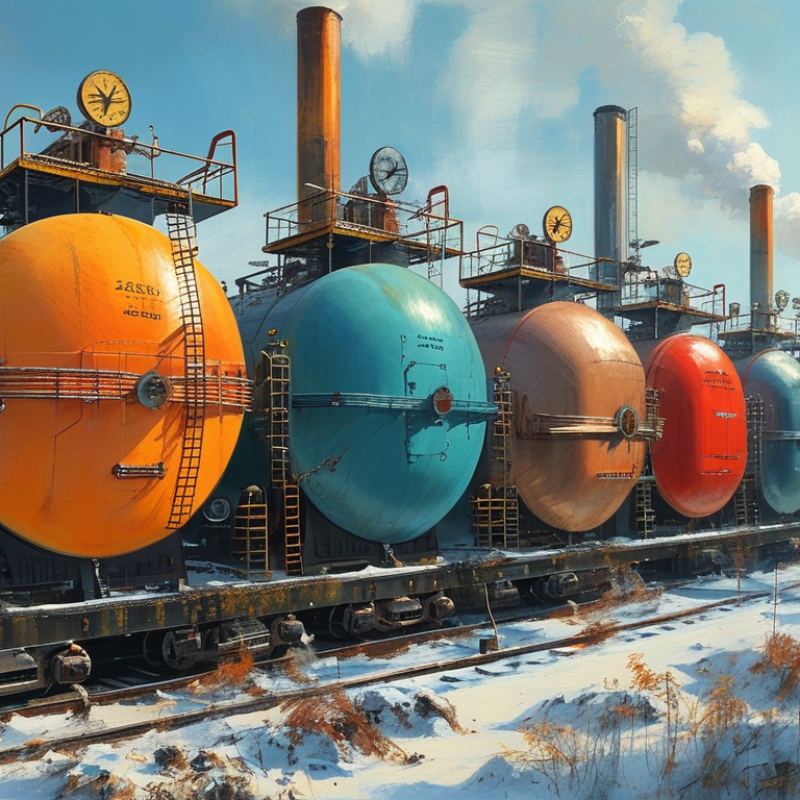
The boiler and pressure vessel industry is evolving rapidly. Innovative technologies are set to reshape designs in 2026. Smart materials will play a crucial role. These materials adapt to environmental changes, improving efficiency and safety. This transition marks a significant advancement from traditional designs.
Another trend is the integration of IoT. Sensors and monitoring systems will allow real-time data collection. This can enhance performance and reliability. However, challenges exist. As data privacy issues grow, manufacturers must prioritize secure communication. Implementing these technologies requires careful consideration of investment costs and training.
Moreover, additive manufacturing is changing production methods. This technology allows for complex designs that were previously impossible. While this could enhance performance, there are concerns about quality control. It raises questions about standardization in production. Balancing innovation with reliability will be essential for industry players moving forward.
| Trend | Description | Emerging Technology | Expected Impact |
|---|---|---|---|
| Smart Boilers | Integration of IoT for real-time monitoring and diagnostics. | IoT Sensors and Cloud Computing | Increased efficiency and reduced maintenance costs. |
| Hybrid Systems | Combination of conventional and renewable energy sources. | Solar Boilers and Biomass Integration | Lower carbon footprint and energy independence. |
| Advanced Materials | Utilization of heat-resistant alloys and composites. | Nanotechnology in Material Science | Enhanced durability and lifespan of vessels. |
| Automated Systems | Use of AI and machine learning for operational efficiency. | Artificial Intelligence and Predictive Maintenance | Optimized performance and minimized downtime. |
| Sustainability Practices | Focus on eco-friendly designs and operations. | Carbon Capture and Utilization Technologies | Contributes to environmental sustainability. |
: Sustainability trends are reshaping the industry. Companies focus on eco-friendly practices and energy efficiency.
Many are investing in energy-efficient technologies. They aim to reduce emissions during both fabrication and operation.
Recycled materials are increasingly used in production. This shift helps decrease the overall environmental footprint.
Initial costs for green technologies can be high. Manufacturers must weigh long-term benefits against short-term expenses.
Training workers on new sustainable processes adds complexity. It’s essential for successful implementation but can be resource-intensive.
Asia-Pacific, North America, and Europe are key markets. Rapid industrialization in these areas increases the need for efficient systems.
Energy efficiency has become a major focus across industries. New technologies are being adopted to help reduce emissions.
Evolving regulations create challenges. Compliance with varying safety standards is crucial but complex for global players.
Yes, they often struggle with costs and infrastructure. These challenges can hinder the implementation of new technologies.
Local requirements greatly affect market access. Manufacturers must navigate these diverse regulations for success.
The article "2026 Best Boiler and Pressure Vessel Trends for Global Buyers" explores significant advancements and trends shaping the boiler & pressure vessel industry in the coming years. It highlights emerging technologies in design that promise enhanced efficiency and performance, as well as sustainability trends that are reshaping manufacturing processes to minimize environmental impact.
Additionally, key global markets are identified as driving demand for these systems, indicating a growing need for innovative solutions that meet both economic and ecological challenges. The upcoming innovations in safety standards and regulations also underline the industry's commitment to improving operational safety. Overall, the article discusses the future challenges and opportunities that lie ahead for the boiler & pressure vessel sector, encouraging stakeholders to adapt and evolve in a dynamic market landscape.
