
Buying an immersion heater in 2026 requires more than comparing the lowest number. A reliable electric immersion heater Quotation should show wattage, voltage, thread size, heating length, control method, and materials. These details determine whether the product fits your tank and operating conditions. A 3-kilowatt heater may suit a small storage vessel, while larger tanks need different output and heat distribution. Check every figure carefully.
This guide examines quotations from a buyer’s practical perspective. It considers stainless steel or copper construction, thermostat accuracy, overheat protection, energy use, and expected service life. Supplier experience also matters. Ask for test reports, product drawings, warranty terms, factory photographs, and clear delivery conditions. A professional quotation should separate product cost, packaging, freight, taxes, and optional accessories. Hidden charges can change the final budget quickly.
Real purchasing decisions are rarely perfect. Some suppliers provide attractive prices but incomplete technical information. Others offer strong documentation but longer lead times. That trade-off deserves attention. Buyers should compare at least three suitable offers and confirm compatibility before placing an order. Installation requirements, local electrical practices, water quality, and maintenance access can affect performance. This overview aims to support careful evaluation with practical details, not unrealistic promises. Even a well-prepared quotation may need revision after testing. That is normal. The best choice balances safety, efficiency, supplier reliability, and total ownership cost.
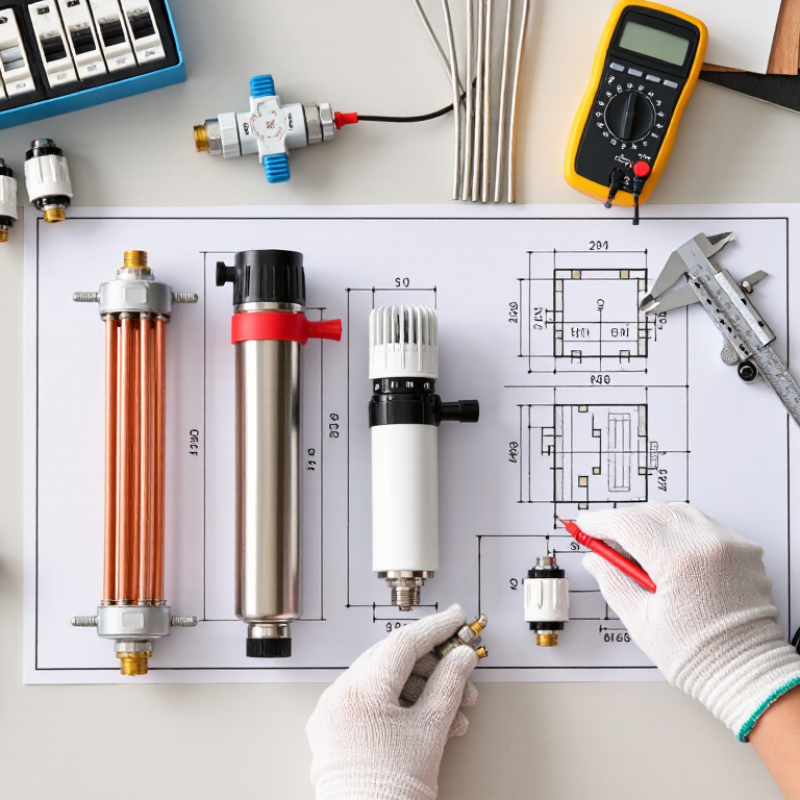
2026 Best Electric Immersion Heater Quotation for Buyers
What Is an Electric Immersion Heater?
An electric immersion heater is a metal heating element installed inside a water tank. When powered, the element transfers heat directly into stored water. A thermostat controls the selected temperature and helps prevent unnecessary heating. Many units also include a safety cut-out for abnormal temperature rises.
Unlike an instantaneous heater, this system warms water inside a cylinder. The tank can then supply hot water to showers, sinks, or appliances. Performance depends on element power, tank size, insulation, and household demand. A higher wattage may heat water faster, but it can also increase electrical load. I would not choose by wattage alone.
Tips: Check the tank opening, voltage, element length, and thread size before requesting a quotation. Ask whether installation, wiring, testing, and replacement seals are included. Confirm the thermostat range and safety protection. A qualified electrician should verify circuit capacity and grounding. Small details matter. I have seen buyers overlook clearance around the heating element. That mistake can cause fitting problems later. Compare the full delivered cost, not only the heater’s listed price. Always follow the tank manufacturer’s instructions and local electrical requirements.
An electric immersion heater is a resistance-heating element designed to heat water or another compatible liquid directly inside a tank, vessel, boiler, or process container.
| Heater Configuration | Typical Power | Common Voltage | Recommended Tank Capacity | Heating Element Material | Typical Immersion Length | Control and Protection | Indicative Unit Price | Typical Application |
|---|---|---|---|---|---|---|---|---|
| Compact threaded heater | 1.5–2.0 kW | 220–240 V, single-phase | 50–100 L | Copper or stainless steel sheath | 250–400 mm | Adjustable thermostat, manual reset thermal cut-out | US$35–90 | Small domestic hot-water tanks, utility vessels, and point-of-use water heating |
| Standard domestic tank heater | 2.5–3.0 kW | 220–240 V, single-phase | 100–200 L | Incoloy-type alloy or stainless steel | 300–500 mm | Thermostat, over-temperature protection, threaded mounting flange | US$55–130 | Residential hot-water storage tanks and replacement installations |
| High-capacity storage heater | 3.0–6.0 kW | 220–240 V or 380–415 V | 200–500 L | Stainless steel, nickel alloy, or copper with protective coating | 400–700 mm | Thermostat, thermal limiter, earth connection, optional contactor control | US$100–260 | Large hot-water cylinders, commercial storage tanks, and service-water systems |
| Industrial flanged heater | 6–18 kW | 380–415 V, three-phase | 500–5,000 L | Stainless steel, Incoloy-type alloy, or titanium for demanding liquids | 500–1,200 mm | External temperature controller, high-limit cut-out, terminal enclosure | US$280–950 | Process tanks, buffer tanks, commercial hot-water systems, and manufacturing equipment |
| Low-surface-load heater | 3.0–9.0 kW | 220–240 V or 380–415 V | 300–2,000 L | Stainless steel or titanium | 500–1,000 mm | Reduced watt density, thermostat or sensor-based control, dry-fire protection | US$220–780 | Hard-water areas, glycol-water mixtures, and liquids requiring reduced scaling |
| Portable screw-in heater | 1.0–3.0 kW | 110–120 V or 220–240 V | 30–150 L | Stainless steel or copper alloy | 200–450 mm | Integrated thermostat, power indicator, protective earth connection | US$30–110 | Temporary water heating, workshops, mobile tanks, and maintenance use |
| Anti-corrosion titanium heater | 2.0–6.0 kW | 220–240 V or 380–415 V | 100–1,000 L | Titanium sheath with corrosion-resistant fittings | 300–900 mm | Thermostat, independent high-limit protection, replaceable gasket | US$180–650 | Salt water, treated water, swimming-pool systems, and corrosive environments |
Screw-in models suit threaded tanks and compact vessels. Flange-mounted units fit larger tanks and process equipment. Over-the-side heaters suit open tanks. Circulation heaters work with pumped liquids. Choose by tank access, liquid movement, and maintenance needs.
Request voltage, phase, wattage, element length, thread size, and connection method. Include thermostat range, sensor position, high-limit protection, and enclosure rating. Missing details create costly surprises.
Compare wattage with tank capacity, heating time, and daily hot-water demand. Higher power heats faster but may need stronger electrical capacity. It can also increase operating costs. Size carefully.
The element should match the tank depth without touching the base. Incorrect length can cause uneven heating or surface damage. Measure twice. A small sizing error may cause slow recovery.
“Stainless steel” is too vague. Request the exact grade and liquid compatibility. Hard water and corrosive solutions require careful sheath selection. Material wording is often the weak point.
Ask whether the quotation includes delivery, grounding, electrical testing, commissioning, and old-unit disposal. Confirm gaskets, terminals, mounting hardware, and replacement parts. Cheap quotes may exclude practical essentials.
Review annual energy use, insulation quality, thermostat accuracy, and realistic temperature-rise data. Household water heating may use about 18% of energy. Purchase price alone misleads. Check operating costs too.
Look for overheat protection, a high-limit control, proper grounding, and suitable enclosure protection. Damp rooms need appropriate installation. An enclosure rating cannot fix poor wiring.
Not automatically. A cheaper heater may fail with hard water or frequent use. Compare warranty conditions, service access, and replacement costs. I might still overvalue the cheapest figure. That deserves reflection.
This 2026 guide explains what an electric immersion heater is and how it efficiently converts electricity into heat for water or other compatible liquids. It reviews key heater types, including screw-in and flange-mounted models, along with essential specifications such as wattage, voltage, material, heating length, thermostat control, temperature range, and tank compatibility. These details help buyers match performance with installation requirements and expected usage.
The guide also shows how to compare an electric immersion heater Quotation by examining total cost, included components, energy efficiency, warranty terms, delivery, and after-sales support rather than focusing only on the purchase price. It highlights the importance of safety standards, correct installation, grounding, overheat protection, and routine inspection. Finally, buyers can use a practical evaluation process to select a reliable, properly sized heater that offers safe operation, manageable running costs, and suitable long-term value in 2026.
