Planning for the 2026 boiler and pressure vessel market requires more than comparing online quotations. The phrase “boiler & pressure vessel Price” covers equipment with very different designs, materials, capacities, and compliance duties. A small carbon-steel steam boiler may look inexpensive beside a stainless-steel vessel designed for corrosive service. The comparison can become misleading quickly.
Published industry reports offer useful direction, but rarely provide one universal price. The International Energy Agency’s World Energy Outlook 2024 highlights continuing investment in industrial efficiency, electrification, and lower-carbon heat. These trends may increase demand for high-efficiency boilers, heat-recovery systems, and advanced controls. The World Bank’s Commodity Markets Outlook also shows why steel, energy, and transport costs can influence fabrication budgets. Prices may move before a buyer receives the final quotation.
Real quotations need technical evidence. Capacity, operating pressure, design temperature, fuel type, heat-transfer surface, inspection scope, and delivery location all matter. ASME Boiler and Pressure Vessel Code Section VIII remains a key reference for pressure-vessel design and construction. In Europe, the Pressure Equipment Directive adds conformity and assessment requirements. These standards affect engineering hours, documentation, testing, and certification costs.
Yet the lowest offer is not always the best value. A cheaper vessel may require more maintenance, longer commissioning, or costly modifications. Buyers should request itemized quotations, material certificates, hydrostatic-test records, warranty terms, and spare-parts support. A neat global average sounds useful, but it can mislead. This guide examines realistic 2026 pricing factors, regional differences, and the practical details behind a defensible purchasing decision.
What Are Boilers and Pressure Vessels?
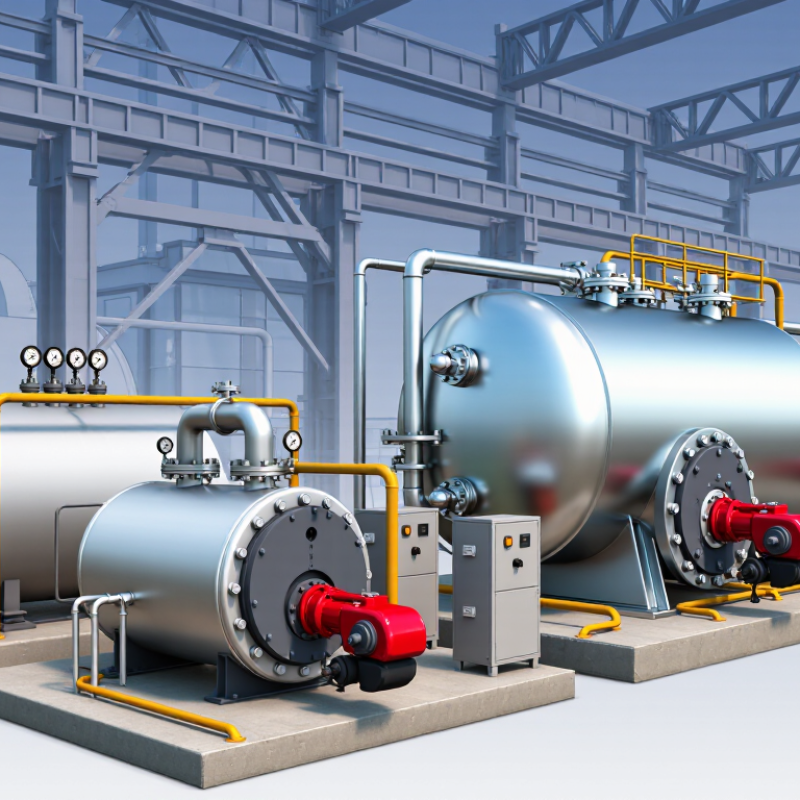
Boilers and pressure vessels are enclosed systems designed to contain fluids under pressure. A boiler heats water or another fluid, then supplies hot water, steam, or thermal energy to equipment. A pressure vessel stores or processes a pressurized gas or liquid. It may look like a simple steel tank, but its job depends on its design, materials, and operating conditions.
In a boiler, a burner or electric element transfers heat through metal surfaces to the fluid. Steam boilers send steam through insulated pipes; hot-water boilers circulate heated water through radiators or process lines. Pressure vessels serve many roles, including holding compressed air, separating fluids, or supporting chemical processes. Some vessels operate at ordinary temperatures, while others face intense heat or corrosive contents. The difference matters. A tank is not automatically a pressure vessel, and a boiler is more than a heated container.
When comparing equipment prices, buyers need to define capacity, working pressure, temperature, material, controls, and installation requirements. A compact hot-water unit for a small workshop is not comparable to an industrial steam system. Ask for drawings, stated operating limits, and maintenance requirements, then confirm that the equipment suits the actual application with a qualified engineer. I have seen specifications that looked complete but omitted pipework and commissioning. That gap can change the real project cost. The label alone tells you very little.
Which Factors Determine Boiler and Pressure Vessel Prices in 2026?
Boiler and pressure vessel prices in 2026 depend on more than tank size. Capacity and operating pressure set the basic design, while higher temperatures may require thicker walls and specialized materials. Stainless steel can cost more than carbon steel, but the right choice depends on the fluid, corrosion risk, and expected service life. Small details matter.
Efficiency also affects the upfront quote. A high-efficiency burner, heat recovery equipment, or advanced controls can raise the purchase price while reducing fuel use over time. The savings depend on actual operating hours and energy costs, so projected payback should be checked against realistic site data. Estimates can be optimistic.
Customization is another major factor. Unusual connections, tight space limits, or specific inspection requirements may add engineering and fabrication work. Installation, insulation, electrical connections, freight, and commissioning are sometimes quoted separately. Ask for a clear scope before comparing offers. A lower equipment price may not include the same accessories or services. Delivery distance and schedule can also change the final cost, especially for large, heavy vessels. For a useful comparison, review the pressure rating, materials, included components, warranty terms, and installation assumptions line by line. The cheapest option is not automatically the least expensive to operate.
How Do Prices Vary by Equipment Type, Capacity, and Material?
2026 Best Boiler and Pressure Vessel Prices?
Prices vary widely by equipment type, capacity, and material. A small hot-water boiler generally costs less than a large industrial steam unit. Steam systems may need heavier construction, controls, and feedwater equipment. A pressure vessel’s price also depends on its purpose, design pressure, temperature, and required documentation. Two vessels with similar dimensions can have very different quotes.
Capacity matters. Larger units use more material and may require bigger burners, pumps, or foundations. Material choice changes the estimate, too. Carbon steel is common for many applications, while stainless steel can cost more, especially for demanding or corrosive service. In practice, installation, shipping, insulation, and site modifications can add substantially to the purchase price. Quotes should specify what is included. Otherwise, comparisons get fuzzy. I have seen budgets miss the cost of controls and commissioning; it is an easy oversight, even for experienced teams.
Tips: Compare quotes with the same capacity, operating conditions, material grade, and scope. Ask whether freight, installation, testing, and startup support are included. Check that the selected equipment fits the actual load, not just the peak estimate. A qualified engineer can help verify specifications and avoid paying for capacity you do not need.
2026 Boiler and Pressure Vessel Price Ranges
Indicative U.S. equipment purchase prices by type, capacity, and material. Bars show estimated low-to-high ranges in USD; installation, freight, controls, and applicable taxes are excluded.
Prices vary with design pressure, code requirements, fabrication details, efficiency, and market conditions. Stainless steel vessels typically cost more than comparable carbon steel vessels; obtain project-specific supplier quotes before budgeting.
What Are the Typical Costs for Installation, Operation, and Maintenance?
In 2026, boiler and pressure vessel costs depend on capacity, pressure rating, fuel type, and site conditions. A small commercial boiler may cost $8,000 to $30,000. Larger systems can exceed $100,000. Pressure vessels often range from $5,000 to $80,000 before installation.
Installation frequently costs as much as the equipment. Budget for transport, lifting, piping, venting, electrical work, controls, insulation, permits, and water treatment. A complete installation may reach $20,000 to $250,000. Local labor rates matter greatly. A cramped plant room can raise costs quickly. Get the layout inspected early.
Operation usually becomes the largest long-term expense. Fuel, electricity, makeup water, chemicals, and emissions testing all affect annual spending. Poor combustion control can waste energy every day. Maintenance contracts may cost $500 to $5,000 annually for smaller equipment. Industrial systems can require $5,000 to $20,000 or more. Include pressure testing, safety-valve checks, burner servicing, and scheduled inspections. Certified technicians should document every visit.
Budgets are rarely perfect. I would reserve 10% to 15% for unexpected piping or foundation work. That allowance may still be insufficient in older buildings. Ask suppliers for separate equipment, labor, commissioning, and maintenance prices. Compare total operating cost, not only the purchase quote. Local regulations and inspection schedules should be confirmed by a qualified engineer before ordering.
How Can Buyers Compare Quotes and Choose Suitable Equipment?
In 2026, the best boiler or pressure vessel price is not always the lowest quotation. Buyers should compare complete operating packages, not isolated equipment prices. Start with one shared specification sheet. Record capacity, design pressure, operating temperature, materials, efficiency, controls, and installation conditions. A cheaper vessel may exclude vital fittings or offer less corrosion allowance. Ask for evidence. Request drawings, material certificates, pressure-test records, inspection details, and applicable code references.
Normalize every quotation in one comparison table. Separate equipment cost from freight, commissioning, insulation, valves, water treatment, controls, training, and spare parts. Check currencies, taxes, delivery terms, payment stages, and quotation validity. Warranty language needs careful reading. Does it cover labor and replacement parts, or only the pressure shell? Lead time also matters when production delays affect your facility. Ask how design changes and delayed components will be managed.
A reliable choice balances purchase price with fuel use, maintenance access, inspection frequency, and expected service life. Visit a comparable installation if possible. Speak with an operator, not only a salesperson. Test the assumptions. Are local water conditions included? Is quoted efficiency measured at your actual load? Even careful reviews have blind spots. I have seen buyers approve polished quotations, then discover excluded foundation work and electrical upgrades. Score technical compliance before price, and attach every revision to the contract. Small omissions become expensive.
FAQS
A boiler heats water or another fluid. It supplies hot water, steam, or thermal energy. Heat moves through metal surfaces.
A pressure vessel stores or processes pressurized gas or liquid. It may separate fluids or support industrial processes. It is more than a steel tank.
No. A boiler mainly transfers heat to a fluid. A pressure vessel contains pressure during storage or processing. Their designs differ.
Capacity, working pressure, temperature, materials, controls, and customization affect prices. Larger equipment usually needs more steel and stronger construction.
Stainless steel may resist corrosion better than carbon steel. The correct choice depends on the fluid and expected service life. More expensive is not always better.
High-efficiency burners, heat recovery, and advanced controls can reduce fuel use. Savings depend on operating hours and local energy costs. Estimates can be optimistic.
Some quotations exclude pipework, insulation, electrical connections, freight, installation, or commissioning. A low price may hide important work.
Compare pressure ratings, materials, capacity, included components, warranty terms, and installation assumptions. Ask for drawings and operating limits.
An engineer can check whether the design suits the actual application. Site space, connections, heat, and corrosion risks matter. Labels tell you little.
Not necessarily. A cheaper unit may use more energy or require extra installation work. My estimate could still be wrong without site data.
Conclusion
Understanding the 2026 boiler & pressure vessel Price requires more than comparing the equipment’s initial purchase cost. Boilers generate heat or steam, while pressure vessels safely contain fluids or gases under pressure. Their prices are influenced by capacity, operating pressure and temperature, fuel or energy source, automation level, material selection, safety features, certifications, and customization requirements. Equipment type also matters: a compact low-capacity unit will generally cost less than a large industrial system made from specialized alloys or designed for demanding operating conditions.
Buyers should also budget for transportation, site preparation, installation, commissioning, energy consumption, inspections, spare parts, and routine maintenance. To compare quotations effectively, review the technical specifications, included accessories, warranty terms, delivery schedule, service support, efficiency, and expected lifecycle costs rather than focusing only on the lowest offer. Selecting equipment that matches actual production needs, local safety requirements, available utilities, and future capacity plans can improve reliability and reduce long-term expenses. A clear comparison of total ownership cost will help buyers make a practical and well-informed decision in 2026.