
2026 Best China Biphenyl Steam Generator Manufacturers

Time:2026-09-15 Author:Aria
0%

Choosing the 2026 best China Biphenyl steam generator manufacturers requires more than comparing catalog prices. Performance depends on heat-transfer stability, pressure control, fabrication quality, and service response.

Biphenyl systems operate at demanding temperatures. Small design weaknesses can cause uneven heating, thermal stress, or costly downtime. Therefore, buyers should examine generator capacity, circulation design, insulation, control accuracy, material traceability, and factory testing records. Clear maintenance instructions matter too. They often reveal a manufacturer’s real experience.

Yunus A. Çengel, a respected heat-transfer authority, wrote, “Heat transfer is the science that deals with the rates of exchange of thermal energy.” This principle applies directly to China Biphenyl steam generator selection. Efficient equipment must transfer heat steadily, not merely reach a high operating temperature. Stable output protects product quality and reduces unnecessary energy use.

The strongest manufacturers usually provide documented thermal calculations, pressure-test results, control-system details, and responsive technical support. Their engineers should understand thermal-fluid circulation, startup procedures, expansion behavior, and emergency shutdown requirements. Site conditions also matter. A reliable unit for a chemical plant may not suit a pharmaceutical or food-processing facility without modification.

This guide reviews leading manufacturers through practical criteria, including engineering capability, production consistency, customization, certifications, delivery reliability, and after-sales support. No ranking is perfect. Supplier data can change, and published claims still require verification. Buyers should request recent references, inspect quality records, and confirm compatibility with their operating conditions.

The right choice is rarely the cheapest one. It is the manufacturer that combines safe design, measurable performance, honest documentation, and dependable support throughout the equipment’s service life.
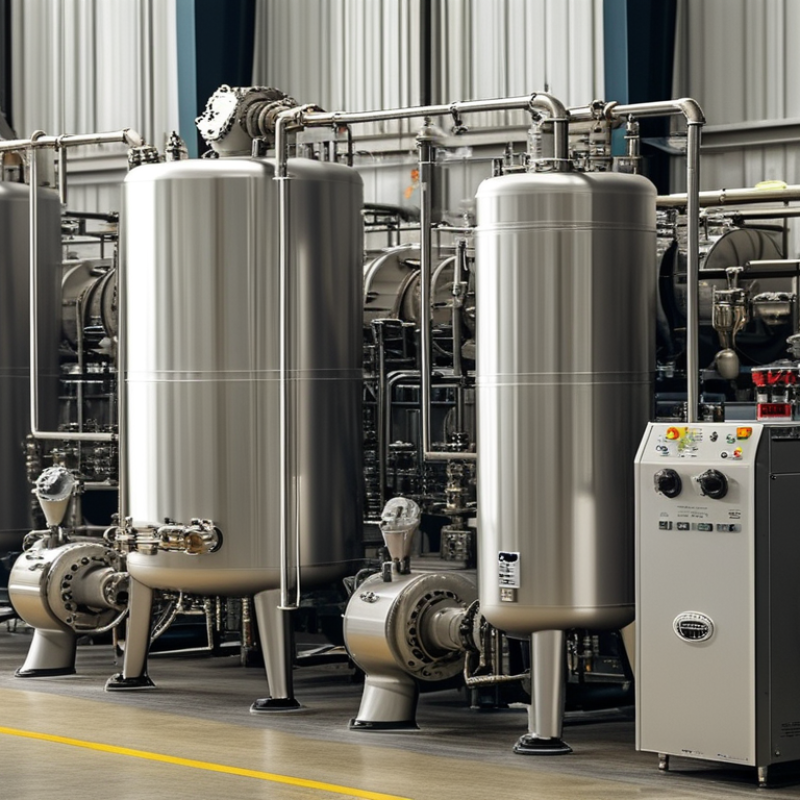
2026 Best China Biphenyl Steam Generator Manufacturers

Biphenyl Steam Generators: Definition, Uses, and Operating Principles

Biphenyl Steam Generators: Definition, Uses, and Operating Principles

A biphenyl steam generator is an indirect heating system. It uses a high-temperature biphenyl-based heat-transfer fluid to vaporize water inside a separate heat exchanger. Biphenyl is not the steam. It carries heat from a fired heater, electric heater, or recovered process source. The fluid circulates through tubes, while treated water flows around them. Heat crosses the metal wall without direct mixing. This arrangement supports stable steam production for chemical processing, food manufacturing, pharmaceutical production, and specialty materials.

The operating principle depends on controlled temperature, pressure, and circulation. A pump moves the thermal fluid through the heater and generator loop. Sensors monitor outlet temperature, water level, pressure, and fluid degradation. The IEA Energy Efficiency 2023 report states that industry consumed about 37% of global final energy in 2022. That figure explains why indirect heat recovery and precise thermal control matter. However, performance claims can be misleading. Actual efficiency depends on insulation, return-water temperature, fouling, and load changes. Small design errors can create large energy losses.

Tips: Keep the fluid dry and test it regularly. Check for oxidation, leaks, and unusual color changes. Install pressure relief and independent temperature protection. Calculate efficiency from measured fuel, electricity, feedwater, and steam data. The U.S. Department of Energy’s Industrial Decarbonization Roadmap also highlights process heating as a major industrial emissions source. In practice, heat recovery may outperform a larger generator. Sometimes, the simpler arrangement works better.

Key Criteria for Evaluating Chinese Manufacturers in 2026

In 2026, choosing a Chinese biphenyl steam generator manufacturer requires more than comparing prices. A reliable supplier should show proven experience with thermal-fluid systems, pressure equipment, and industrial steam applications. Ask for project references from facilities with similar temperatures and operating loads. Real operating data matters more than polished brochures.

Technical evaluation should examine heat-transfer calculations, material selection, weld quality, and control accuracy. Request drawings, inspection records, pressure-test results, and calibration certificates. Check whether the manufacturer offers factory acceptance testing with recorded temperature, pressure, and flow readings. Small details reveal competence. A clear maintenance schedule is also essential, especially for pumps, seals, sensors, and expansion components.

Compliance must be documented, not merely promised. Review quality-management certificates, equipment approvals, safety procedures, and traceability for critical materials. Confirm that the design supports safe handling of biphenyl fluid, leak detection, ventilation, and emergency shutdowns. Ask who provides commissioning and technical support after installation. Response time can affect production.

A factory visit may expose gaps that documents hide. Look for organized welding areas, labeled components, calibrated instruments, and trained inspectors. I would not accept every certificate without verification. Some suppliers may present incomplete test evidence or unclear subcontracting arrangements. That weakness deserves a written explanation before a contract is signed. Long-term reliability depends on honest communication, spare-parts access, and careful performance verification after delivery.

Leading China Biphenyl Steam Generator Manufacturers to Consider

Leading China Biphenyl Steam Generator Manufacturers to Consider

Leading China biphenyl steam generator manufacturers usually focus on stable heat transfer, compact layouts, and practical maintenance. Their systems often use biphenyl-based thermal fluid in an indirect heating circuit. This design can provide consistent steam for chemical, pharmaceutical, food, and specialty process applications. Experienced manufacturers should explain fluid compatibility, operating temperatures, pressure limits, and expected service intervals clearly.

Look for factories with documented engineering experience and complete production facilities. A serious supplier should provide material certificates, pressure test records, welding procedures, and factory acceptance testing. Ask whether the generator supports customized steam capacity, control logic, insulation thickness, and connection standards. Clear drawings matter. Poor documentation can delay installation, even when the equipment itself appears well built.

Site experience also deserves attention. Request references from similar installations, not only attractive product photos. Check how the manufacturer handles commissioning, operator training, spare parts, and technical response times. No supplier is perfect. Some factories may offer competitive pricing but need stronger English documentation or overseas service coverage. That weakness should be discussed before signing a contract. I would also compare energy consumption under real load conditions, because laboratory efficiency figures may not reflect daily production. A careful review of welding quality, thermal expansion control, alarm settings, and emergency shutdown functions can reveal more than a polished sales presentation.

Comparing Capacity, Efficiency, Safety, and Customization

2026 Best China Biphenyl Steam Generator Manufacturers

Choosing a capable biphenyl steam generator manufacturer requires more than comparing rated output. Capacity should match real production demand, including start-up peaks and seasonal changes. During factory evaluations, I check output stability at partial load, not only maximum capacity. A unit that operates smoothly at 40% load can reduce fuel waste and cycling stress.

Efficiency depends on heat recovery, insulation quality, burner control, and thermal fluid circulation. Ask for tested performance data under comparable operating conditions. Watch the details. Poorly insulated valves can create hot surfaces and hidden energy losses. Safety requires layered protection, including pressure monitoring, emergency shutdowns, leak detection, and clear maintenance access. The control interface should show alarms plainly, even when operators work under pressure. A beautiful screen is not enough.

Customization may include steam pressure, heating area, fuel type, footprint, automation level, and local utility conditions. Experienced engineering teams should provide drawings, material records, inspection documents, and commissioning support. I would also examine weld quality, spare-part access, and response procedures after installation. Paper specifications can look convincing. The harder question is whether the manufacturer can reproduce performance across different loads and sites. Some projects expose planning gaps only after delivery, especially when water quality, ventilation, or operator training receives little attention. That possibility deserves honest discussion before signing.

How to Select and Verify a Reliable Chinese Manufacturer

Selecting a reliable Chinese biphenyl steam generator manufacturer takes more than comparing prices. In practice, engineering records matter more than glossy photographs. Ask for recent project references, equipment drawings, heat-balance calculations, and a clear production schedule. Confirm whether the supplier designs the generator or only assembles purchased parts. This distinction affects troubleshooting and accountability. Request material certificates for pressure-bearing components, welding procedures, inspection records, and calibrated test reports. For biphenyl systems, verify material compatibility, temperature limits, sealing methods, and fluid-handling procedures. Short answers are warning signs.

A useful factory audit can include a video call or physical visit. Watch how tubes are stored, how welds are inspected, and whether serial numbers follow each unit. Speak with the quality manager, not only a sales representative. Check experience with your required steam pressure, thermal load, control system, and installation environment. Ask which applicable pressure-equipment standards guide production and testing. Factory acceptance tests should cover leakage, pressure stability, temperature control, alarms, and emergency shutdown functions. Put acceptance criteria in writing. Do not rely on “standard quality.” That phrase means little without evidence. Verify service response times, spare-part availability, manuals, training, and warranty exclusions. I would keep a small performance reserve, because real feedwater and operating habits rarely match laboratory assumptions. No supplier is perfect. Supplier claims still require independent verification.

2026 Best China Biphenyl Steam Generator Manufacturers - How to Select and Verify a Reliable Chinese Manufacturer

No. Evaluation Dimension Practical Benchmark or Requirement Documents and Verification Methods Warning Signs
1 Application Definition The supplier should clearly distinguish an indirect heat-transfer-fluid steam generator from a direct-fired water-tube or fire-tube boiler. Request a process-flow diagram showing the biphenyl heat-transfer circuit, feedwater circuit, steam outlet, expansion system, vents, drains, and safety devices. The quotation provides only a generic boiler model and does not identify the heat-transfer-fluid loop or separation arrangement.
2 Steam Capacity and Pressure The supplier must state rated steam output, design pressure, operating pressure, steam temperature, feedwater temperature, and turndown range in one consistent data sheet. Check the calculation sheet, nameplate data, pressure-vessel design documents, and a witnessed performance test at the specified load. Capacity is stated without pressure or feedwater conditions, making comparisons between suppliers unreliable.
3 Heat-Transfer Fluid Compatibility For a diphenyl/diphenyl-oxide heat-transfer mixture, the supplier should account for a normal operating range commonly around 250–400 °C, subject to the selected fluid and system design. Request the fluid compatibility statement, maximum film-temperature calculation, material list, seal specification, and fluid-quality control procedure. The design uses water-steam components without explaining high-temperature fluid compatibility, oxidation control, or expansion-tank requirements.
4 Thermal Design Margin The design should demonstrate acceptable heat flux, pressure drop, outlet-temperature control, and protection against local overheating. No single universal margin should be accepted without calculations. Review thermal calculations, fluid velocity, calculated pressure drop, control response, and test results at minimum, normal, and maximum load. Only a nominal heating area is supplied, with no thermal-performance calculation or load-range test.
5 Pressure-Vessel Compliance Pressure-bearing parts should be designed and manufactured under the applicable Chinese pressure-vessel requirements, such as GB/T 150, or an agreed equivalent code. Verify the design calculation, material certificates, welding procedure qualification, welder qualifications, inspection plan, and pressure-test records. The supplier provides a general quality certificate but cannot identify the applicable pressure-vessel code or inspection authority.
6 Welding and Non-Destructive Testing Inspection coverage must be defined by weld category, material, thickness, design code, and risk level rather than advertised as a generic percentage. Request welding procedure qualifications, welder certificates, radiographic or ultrasonic test reports where specified, liquid-penetrant or magnetic-particle reports, and dimensional records. Inspection reports are undated, unsigned, missing weld references, or unrelated to the serial number of the supplied equipment.
7 Materials and Corrosion Control Material selection must match temperature, fluid chemistry, pressure, fatigue cycles, and water-side treatment. Stainless steel is not automatically required for every component. Check heat-number traceability, mill certificates, material grades, gasket and seal materials, corrosion allowance, and water-quality requirements. The supplier lists only a material name without grade, thickness, temperature limit, or traceability records.
8 Safety Protection The system should address high fluid temperature, low flow, low liquid level, excessive pressure, steam-side overpressure, pump failure, leakage, and emergency shutdown. Review the cause-and-effect matrix, pressure-relief sizing, alarm list, interlock logic, emergency-stop circuit, and functional test records. Safety devices are shown only as optional accessories or are not included in the control-system description.
9 Control and Instrumentation The control system should independently monitor fluid outlet temperature, steam pressure, feedwater flow, fluid flow, level, and critical alarms. Request the instrument list, calibration certificates, input/output list, PLC or controller logic description, alarm setpoints, and factory acceptance test procedure. Temperature control is described only as manual adjustment, or all protective functions depend on one unverified sensor.
10 Factory Acceptance Testing A documented FAT should cover pressure testing, leak testing, control-loop checks, alarm and interlock checks, pump rotation, insulation condition, and simulated operating sequences. Agree on FAT criteria before purchase and require signed test records linked to equipment serial numbers and calibrated instruments. The supplier refuses witnessed testing or replaces test records with photographs of unrelated equipment.
11 Quality Management An ISO 9001 certificate can support process control, but it does not prove pressure-vessel compliance or product performance by itself. Verify certificate validity, certification scope, issuing body, audit status, production records, nonconformance procedures, and corrective-action evidence. A certificate is expired, outside the product scope, unverifiable, or used as the only evidence of technical capability.
12 Installation and Utility Requirements The technical offer should specify electrical load, fuel or heating-source demand, feedwater quality, cooling requirements, ventilation, foundation load, pipe connections, and service clearances. Compare the utility schedule with the plant design and request certified general-arrangement drawings, nozzle orientation, lifting points, and commissioning requirements. Important utilities or site conditions are marked “to be confirmed” after the purchase order.
13 Traceability and Documentation A complete manufacturing dossier should be delivered in English or the agreed project language. Require drawings, manuals, spare-parts list, certificates, inspection records, calibration records, software backup, and recommended maintenance intervals. The supplier will release drawings or certificates only after shipment, or documents do not match the final configuration.
14 After-Sales Support The supplier should define response time, remote-support method, commissioning responsibility, spare-parts availability, warranty exclusions, and service coverage. Include service obligations in the contract and request anonymized commissioning records or customer references that can be independently verified. Support is promised verbally, but no response time, spare-parts commitment, or commissioning scope appears in the quotation.
15 Commercial and Export Risk The purchase agreement should define Incoterms, payment milestones, inspection rights, packing, delivery schedule, warranty, liquidated damages, and applicable law. Use staged payments linked to approved drawings, FAT completion, shipping documents, and final documentation. Check export packing and transportation limits. The lowest price is offered with a large advance payment, vague specifications, no inspection rights, or no contractual remedy for late delivery.
Selection note: The benchmarks above are a supplier-verification framework, not a substitute for a project-specific engineering review. Final requirements must be confirmed against the selected heat-transfer fluid, steam conditions, installation location, applicable Chinese regulations, and the governing design code.

FAQS

What is a biphenyl steam generator?

It is an indirect heating system. A biphenyl-based fluid carries heat through tubes. Treated water flows around them and becomes steam.

Is biphenyl the steam?

No. Biphenyl transfers heat only. The steam and thermal fluid remain physically separated.

How does the system operate?

A pump circulates thermal fluid through a heater and heat exchanger. Sensors monitor temperature, pressure, fluid flow, and water level.

Where are these generators commonly used?

They support chemical, food, pharmaceutical, and specialty material processes. Stable steam matters in all of them.

What affects operating efficiency?

Insulation, fouling, return-water temperature, circulation, and load changes affect results. A larger generator is not always better.

Can the system operate efficiently at partial load?

It should operate smoothly during changing demand. Testing at 40% load may reveal fuel waste and cycling problems.

What safety features should the system include?

Look for pressure relief, leak detection, temperature protection, and emergency shutdowns. Clear alarms matter during stressful operations.

How should the thermal fluid be maintained?

Keep it dry and test it regularly. Check oxidation, leaks, and unusual color changes. Small warning signs deserve attention.

How can buyers evaluate a manufacturer?

Request drawings, material certificates, welding records, pressure tests, and factory acceptance results. Product photos prove very little.

What should be checked before installation?

Confirm water quality, ventilation, utility conditions, connections, and maintenance space. Training and spare-part access also matter. Details matter.

Conclusion

This guide explains the fundamentals of biphenyl steam generators, including their definition, operating principles, and applications in industries that require stable, high-temperature process heat. It outlines how these systems transfer heat efficiently, maintain consistent steam conditions, and support demanding production environments when properly designed and operated.

The article also presents practical criteria for evaluating a China Biphenyl steam generator manufacturer in 2026. Buyers should compare heating capacity, thermal efficiency, pressure control, safety systems, automation, service support, delivery capability, and customization options. A reliable manufacturer should provide clear technical specifications, quality documentation, inspection records, and transparent communication throughout the project. Careful assessment of equipment performance, engineering experience, production standards, and after-sales support can help purchasers select a dependable partner and obtain a generator that matches their operating requirements, facility conditions, and long-term maintenance plans.

Aria

Aria

Aria is a dedicated marketing professional with a deep passion for innovative strategies and a keen understanding of our company's product offerings. With a wealth of experience in the industry, Aria excels at crafting engaging content that highlights the unique features and benefits of our......