The duct heating system has emerged as a vital solution for many households and businesses worldwide. As climate change continues to impact weather patterns, efficient heating becomes essential. Industry expert Dr. Emily Carter states, “Duct heating systems provide consistent warmth, which is crucial for comfort in varying temperatures.” Her insights highlight why global buyers are turning to this technology.
The advantages of a duct heating system are significant. It optimizes energy use while enhancing temperature control. Many users report lower energy bills and improved air quality. Moreover, installation flexibility allows it to fit various building types. However, not all systems are created equal. Buyers must research options to find the right match for their needs.
While duct heating systems offer many benefits, they also require careful consideration. Ongoing maintenance is vital for optimal performance. Potential buyers should assess their specific requirements and evaluate long-term impacts. Understanding both the strengths and challenges of these systems leads to more informed decisions. This approach ensures satisfaction and efficiency, maximizing the inherent advantages of a duct heating system.
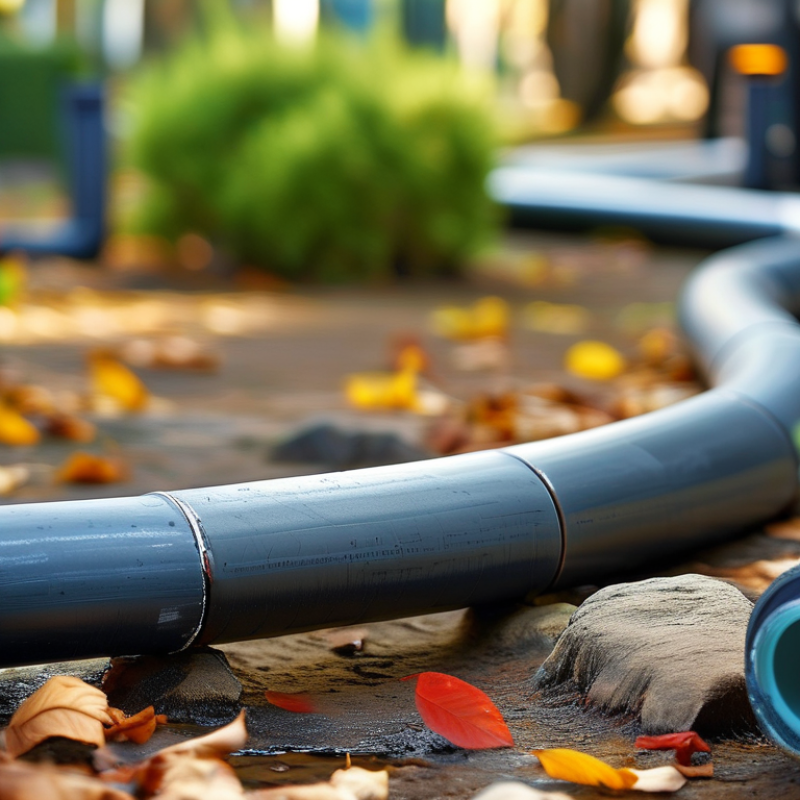
Top Benefits of Duct Heating System for Global Buyers
Duct heating systems offer several benefits for global buyers looking for efficient heating solutions. They provide consistent warmth throughout a space, making it more comfortable during cold seasons. The even distribution of heat minimizes cold spots and can enhance overall wellbeing. Such systems are often designed to integrate with existing HVAC setups, offering flexibility in installations.
An essential advantage is energy efficiency. Duct heating systems can operate using various energy sources, often resulting in lower utility bills. However, improper installation may lead to heat loss in ductwork. It's vital to ensure that the ducts are well-insulated and sealed. Many buyers have found that investing in professional installation pays off in the long run.
Ease of maintenance is another selling point. Regular checks help maintain optimal performance and prolong system life. Buyers should be aware, though, that neglecting maintenance can lead to problems down the line. Keeping an eye on filters and cleaning ducts is essential. This system may not be for everyone, especially in humid climates where alternative systems might be more suitable. Always consider specific needs before making a decision.
Top Benefits of Duct Heating System
This chart illustrates the top benefits of a duct heating system rated by global buyers. High energy efficiency and cost savings are key reasons customers choose this system, while aspects like even heating and improved air quality also contribute significantly to its popularity.
Enhanced Energy Efficiency and Cost Savings in Duct Heating Systems
Duct heating systems offer significant energy efficiency and potential cost savings for users. By effectively distributing warm air throughout spaces, these systems can reduce energy consumption. Well-designed duct systems minimize heat loss, keeping homes comfortable and reducing energy bills in the long run. Such efficiency is beneficial for both the environment and your wallet.
Proper installation and maintenance of duct systems are vital. Ensure ducts are sealed and insulated to prevent air leaks. Regular checks can identify blockages or inefficiencies that may arise over time. Be aware that improper sizing can lead to discomfort and higher costs. Achieving the right balance in duct size is crucial for optimal performance.
Consider investing in a programmable thermostat. This tool allows for better control over heating schedules. Utilizing such technology ensures that energy is used when needed, resulting in even greater savings. The impact of these small adjustments can be significant over time. Evaluate your current system's performance next winter and see where adjustments can enhance efficiency and comfort.
Improved Air Quality Through Proper Duct Heating Maintenance
Proper maintenance of duct heating systems can significantly enhance air quality. Airborne contaminants tend to accumulate in ducts over time. Without regular cleaning, particles like dust and allergens circulate indoors, leading to respiratory issues. Well-maintained ducts reduce these risks, allowing fresh, clean air to flow throughout your space.
Many homeowners overlook the importance of duct maintenance. Neglecting this can result in reduced efficiency. An inefficient system works harder, leading to higher energy bills. It's crucial to assess your ducts periodically. Engage with professionals who are knowledgeable about the nuances of duct systems. Their expertise ensures that you benefit from optimal air quality.
Routine checks are essential for identifying potential issues. For instance, mold might develop in damp environments. This not only affects air quality but may also lead to serious health concerns. Regular inspections help catch these problems early. Ultimately, investing time in duct maintenance pays off in both health and energy savings.
Versatility of Duct Heating Systems in Various Climate Conditions
Duct heating systems offer significant advantages in diverse climate conditions. These systems are adaptable, efficiently distributing heat across various spaces. In colder regions, they provide rapid heating, ensuring comfort during harsh winters. Data from industry reports indicate that homes with duct heating can maintain temperatures more consistently than those using other methods, reducing energy consumption by up to 30%.
In warmer climates, duct heating systems still shine. They can supplement cooling systems during unexpected cold spells. This versatility allows users to rely on a single system for year-round temperature control. However, installation and maintenance require expertise. Poorly designed systems can lead to inefficiencies and increased energy costs.
Additionally, duct heating systems are not without their challenges. In humid environments, moisture can accumulate in ducts, leading to potential mold growth. Regular inspections and proper sealing are essential to mitigate these risks. Experts suggest that despite these concerns, the benefits often outweigh the drawbacks when systems are installed and maintained correctly. Balancing efficiency and comfort remains key.
Market Trends: Growth Forecast for Duct Heating Systems by 2025
The duct heating system market is poised for significant growth by 2025. This surge is primarily driven by the increasing demand for efficient heating solutions worldwide. As energy costs rise, consumers seek systems that not only maintain comfort but also optimize energy usage. Duct heating systems offer a flexible and effective way to distribute heat evenly across large spaces.
Experts predict that innovations in technology will propel this market forward. Improved insulation materials and smart control systems are making these heating solutions more appealing. Buyers are showing interest in features that enhance reliability and reduce maintenance. For many households, these systems become essential in achieving a cost-efficient living environment.
However, the decision to invest in duct heating systems requires careful consideration. Not all spaces benefit equally from ducted systems, and installation can be complex. Buyers must reflect on their specific needs and the layout of their homes. Conducting thorough research helps avoid common pitfalls like inadequate sizing or poor placement. Balancing upfront costs with long-term savings remains a crucial factor for many consumers.
Sustainability and Environmental Impact of Duct Heating Technology
Duct heating systems provide numerous sustainability benefits, making them an attractive choice for global buyers. One significant advantage is energy efficiency. According to the U.S. Department of Energy, properly installed duct heating can reduce energy consumption by up to 30%. This reduction not only lowers utility bills but also decreases greenhouse gas emissions. Sustainable technology is essential in addressing climate change.
Another crucial aspect is the reduced environmental impact. A study by the International Energy Agency indicates that heating systems contribute about 27% of global CO2 emissions. Duct heating systems, particularly those designed with advanced insulation, can mitigate this issue. They ensure more effective heat distribution, minimizing heat loss. Investing in systems that adopt such technologies can result in cleaner air quality and healthier living environments.
Consider regular maintenance to enhance the sustainability of your system. Clean ducts can improve efficiency and air quality. Monitor the system for any leaks, as they can waste energy. Keeping your heating system updated with energy-efficient components can further support your environmental goals.
FAQS
: Proper maintenance prevents airborne contaminants from circulating and reduces respiratory issues.
Neglect can lead to inefficiency and higher energy bills, as the system works harder.
Regular inspections catch potential issues like mold, enhancing both air quality and health.
Yes, they efficiently distribute heat in cold and warm climates, maintaining consistent temperatures.
Moisture accumulation can lead to mold growth, requiring regular inspections and proper sealing.
They reduce energy consumption and greenhouse gas emissions, providing an eco-friendly heating option.
Regular cleaning and monitoring for leaks improve efficiency and support environmental goals.
Yes, they can lead to inefficiencies and increased energy costs, necessitating expert installation.
They optimize performance, reduce waste, and contribute to cleaner air quality.
Many overlook duct care, yet it’s crucial for maintaining comfort and saving energy.
Conclusion
The article "Top Benefits of Duct Heating System for Global Buyers" explores the numerous advantages of duct heating systems, highlighting their enhanced energy efficiency and cost savings. These systems not only provide effective heating but also contribute to improved air quality when properly maintained. Additionally, the versatility of duct heating systems allows them to perform optimally in various climate conditions, making them a reliable choice for a wide range of buyers.
Furthermore, the article discusses market trends indicating a positive growth forecast for duct heating systems by 2025, underlining their increasing popularity across the globe. As sustainability becomes a key concern, the environmental impact of duct heating technology is also addressed, showcasing its potential to meet modern energy efficiency standards while minimizing ecological footprints. Overall, duct heating systems present compelling benefits for both consumers and the environment alike.