
China Best OEM Electric Heating Systems Manufacturer?

Time:2026-10-05 Author:Ethan
0%

Choosing the China Best OEM Electric Heating Systems Manufacturer requires more than comparing factory prices. A reliable partner must understand product engineering, safety testing, heating performance, and long-term field use. The strongest suppliers can turn a heating concept into a stable product, not merely place a logo on an existing model.

Dr. Fatih Birol, Executive Director of the International Energy Agency, has stated, “Heat pumps are an indispensable part of any plan to cut emissions and gas use.” His observation also reflects a wider shift toward efficient electric heating technologies. For OEM buyers, this means examining more than wattage. Ask about heating elements, thermostat accuracy, insulation, control interfaces, IP ratings, and protection against overheating. A factory should explain these details clearly.

Look inside the process.

A serious manufacturer should provide engineering samples, test reports, material specifications, and traceable quality records. During evaluation, check how evenly a panel warms a room, how quickly a controller responds, and whether cable connections remain secure after repeated use. These practical details often reveal more than a polished catalogue.

Still, no supplier is perfect. Some factories may present impressive laboratory data but offer limited support after shipment. Others may accept custom designs too quickly, without questioning unrealistic targets. That is a warning sign. Good OEM cooperation includes technical disagreement when necessary. The best OEM electric heating systems manufacturer should discuss installation conditions, regional standards, warranty risks, and expected service life before production begins. This guide examines those points to help buyers make a careful, evidence-based decision.
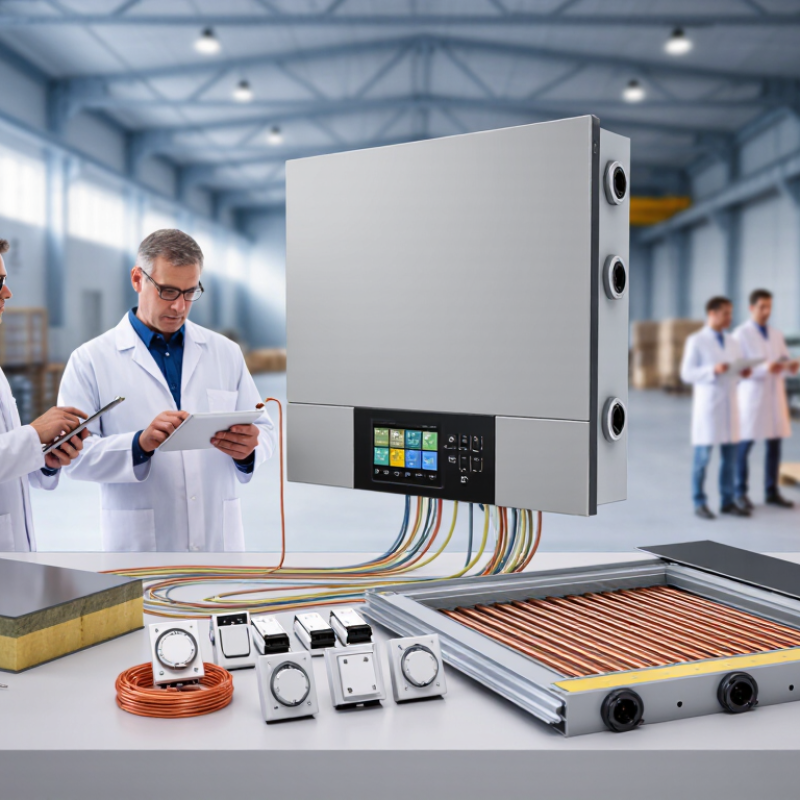
China Best OEM Electric Heating Systems Manufacturer?

What Is an OEM Electric Heating Systems Manufacturer?

China Best OEM Electric Heating Systems Manufacturer?

What Is an OEM Electric Heating Systems Manufacturer?

An OEM electric heating systems manufacturer designs and produces equipment for another company’s specifications. The buyer may provide drawings, performance targets, or only a basic concept. The manufacturer then develops heating elements, controllers, sensors, housings, and wiring around that requirement.

In practical work, this process starts with application details. Room size, voltage, humidity, installation space, and expected operating hours all matter. Engineers may test heat-up speed with thermal cameras and check electrical insulation before production. Good manufacturers also create prototypes, review material choices, and adjust designs after field feedback. Small details count.

Quality control should cover incoming materials, assembly accuracy, temperature protection, and final electrical testing. Documentation is equally important. A dependable supplier can provide test records, traceability information, user instructions, and compliance support for the target market. Designs should meet applicable safety and energy requirements, not merely pass an internal inspection.

Experience helps, but it is not enough. A factory may have modern equipment and still overlook a weak connector or confusing control panel. That uncomfortable possibility deserves attention. Buyers should ask about pilot batches, failure analysis, warranty procedures, and production capacity. Clear communication reduces costly revisions. The best partnership is not always the cheapest one; it is the one that treats safety, consistency, and honest limitations as engineering requirements.

How China’s OEM Electric Heating System Manufacturing Process Works

China’s OEM electric heating system manufacturing process starts with a practical brief. The buyer defines voltage, heating capacity, operating temperature, enclosure size, controls, and target market. Engineers then convert these needs into drawings, wiring diagrams, and a bill of materials. According to the IEA’s The Future of Heat Pumps report, heat pumps could provide over 20% of global building heating needs by 2030 under stated policy commitments. That growth increases demand for reliable electric heating components and disciplined production.

The factory usually builds a prototype before mass production. Engineers test heating speed, insulation, temperature stability, overload protection, and energy consumption. Production teams then inspect incoming materials, assemble heating elements, install sensors, and complete electrical safety tests. Statistical process control helps reduce variation between units. Yet specifications can still miss real working conditions. Dust, unstable voltage, poor airflow, or incorrect installation may cause field failures. This is where factory testing needs honest revision, not just attractive paperwork.

Tips: Request a traceable test report for each production batch. Confirm the testing method, sample size, and acceptance limits. Ask for a pilot run before approving full production. The IEA also notes that efficiency gains depend on correct installation and system performance, not equipment labels alone. Keep communication technical and specific. Small details matter.

How China’s OEM Electric Heating System Manufacturing Process Works

This planning benchmark illustrates a typical 21-day small-batch OEM production cycle. Engineering validation and component sourcing usually require the most time, while assembly, safety testing, and packaging complete the final production stages. Actual timing varies by product complexity, certification requirements, order volume, and customization level.

Which Technologies and Products Do Chinese OEM Manufacturers Offer?

China Best OEM Electric Heating Systems Manufacturer?

Chinese OEM manufacturers now offer more than basic electric heaters. Their portfolios include air-source, water-source, and ground-source heat pumps. They also produce PTC ceramic heaters, infrared panels, electric boilers, immersion heaters, and smart thermostats. Many factories customize voltage, enclosure materials, control logic, and packaging for different markets. The U.S. Department of Energy reports that efficient heat pumps can deliver two to four times more heating energy than their electricity use. That efficiency changes the product conversation.

Integration is becoming more important. OEM suppliers combine heat pumps with thermal storage tanks, solar inputs, circulation pumps, and remote monitoring. IEA’s The Future of Heat Pumps report states that heat pumps can cut heating emissions by at least 20%, and potentially up to 80%, depending on electricity sources. Manufacturers may also provide variable-speed compressors, weather compensation, frost protection, and low-noise fan designs. However, catalogue specifications can look better than field performance. Testing matters. Ask for COP data at low outdoor temperatures, standby consumption, noise readings, and failure-rate records. Certification should match the destination market, not merely the factory’s domestic approval.

Tips: Define the climate zone before selecting technology. Request independent test reports and sample units. Check spare-part availability for at least five years. A low purchase price may hide complex installation costs. That risk deserves attention. Also verify Modbus, Wi-Fi, or other control compatibility before approving a smart heating system.

China Best OEM Electric Heating Systems Manufacturer? - Which Technologies and Products Do Chinese OEM Manufacturers Offer?
Technology or Product Typical Electrical Range Typical Operating Temperature Common Materials OEM Customization Options Typical Applications Key Technical Considerations
Tubular Heating Elements 100 W–20 kW per element Up to approximately 750°C surface temperature, depending on design Stainless steel, Incoloy-type alloys, copper, magnesium oxide insulation Length Diameter Bending shape Voltage Terminal design Ovens, water tanks, air heaters, industrial equipment, dishwashers and washing systems Watt density, sheath corrosion resistance, insulation quality, grounding and thermal expansion must be verified.
Cartridge Heaters 50 W–3 kW per cartridge Approximately 300–800°C surface temperature, depending on watt density Stainless steel sheath, compacted magnesium oxide, nickel or stainless-steel leads Diameter Heated length Lead length Thermocouple hole Molds, dies, packaging machinery, sealing tools, hot runners and laboratory equipment Close dimensional tolerances and correct fit are essential. High watt density requires accurate temperature control.
Silicone Rubber Heaters 0.02–1.0 W/cm² is common for flexible applications Usually up to approximately 200°C continuous operation Silicone rubber, etched-foil or wire-wound resistance circuit, fiberglass reinforcement Custom shape Adhesive backing Cut-outs Sensors Thermostats Battery warming, medical equipment, food-service equipment, cabinets, tanks and anti-condensation systems Surface contact, bend radius, moisture protection and temperature uniformity affect service life.
Polyimide Film Heaters Typically 0.03–1.0 W/cm² Commonly approximately -40°C to 150–200°C, depending on construction Polyimide film, etched-foil circuit, polyimide adhesive and flexible copper leads Ultra-thin profile Custom outline Sensor placement Connector type Optical instruments, aerospace electronics, displays, sensors, cameras and battery packs Electrical insulation, bend-cycle performance, thermal spreading and controlled installation pressure are important.
PTC Ceramic Heaters 100 W–5 kW per heating module Self-regulating surface temperature commonly between 60°C and 250°C Positive-temperature-coefficient ceramic elements, aluminum fins, insulating frames Power rating Airflow design Fin geometry Housing Cabin heaters, air curtains, fan heaters, battery thermal management and small industrial air systems PTC behavior limits runaway heating, but airflow, insulation, fan control and over-temperature protection remain necessary.
Mica Band and Strip Heaters 100 W–5 kW per heater Approximately 300–500°C operating temperature Mica insulation, stainless steel or nickel-chromium resistance wire, stainless-steel outer cover Diameter Width Clamping method Terminal position Plastic injection molding machines, extrusion equipment, nozzles and cylindrical process vessels Uniform clamping, correct heater-to-cylinder contact and thermal expansion allowance are critical.
Ceramic Band Heaters 500 W–10 kW per heater Approximately 500–1,000°C, depending on construction Ceramic fiber or ceramic blocks, resistance wire, stainless-steel outer protection Segment count Diameter Insulation Thermocouple port High-temperature extrusion, blow molding, chemical processing and industrial heating equipment Higher efficiency and temperature capability are possible, but installation must prevent mechanical shock and hot spots.
Immersion Heaters 1–300 kW per heating assembly Fluid temperature commonly 30–250°C, depending on medium Stainless steel, titanium, Incoloy-type alloys, PTFE or ceramic insulation Flange or threaded mount Sheath material Element length Sensor ports Water tanks, oil systems, chemical baths, process vessels and industrial boilers Fluid chemistry, minimum liquid level, watt density, grounding and dry-fire protection must be addressed.
Duct and Air Process Heaters 3–500 kW per heater bank Air outlet temperatures commonly 50–600°C Stainless steel or nickel-chromium elements, galvanized or stainless-steel frames Airflow rate Duct size Stages Control panel Ventilation systems, drying lines, clean rooms, ovens, HVAC preheating and process-air systems Air velocity, pressure drop, element spacing, airflow proving and over-temperature protection are essential.
Infrared Quartz Heaters 300 W–5 kW per lamp or module Radiant emitter temperature commonly 800–2,000°C Quartz glass, tungsten or resistance filament, ceramic end supports and metal reflectors Wavelength Reflector shape Lamp length Mounting bracket Paint curing, plastics forming, textile drying, food processing and surface treatment Emitter wavelength, target distance, reflector design and material absorption determine heating efficiency.
Electric Ovens and Industrial Furnaces 3–1,000 kW system capacity Approximately 100–1,200°C, depending on furnace type Insulated steel enclosure, ceramic fiber, refractory brick, stainless steel and resistance elements Chamber size Heating zones Door design PLC controls Heat treatment, drying, curing, annealing, laboratory testing and industrial production lines Temperature uniformity, insulation thickness, ventilation, ramp rates and control accuracy should be validated.
Electric Steam Generators 3–500 kW electrical input Steam pressure commonly 0.1–1.0 MPa for compact systems Stainless steel or carbon-steel vessel, tubular heating elements, pressure controls and safety valves Steam capacity Pressure rating Water inlet Control interface Garment finishing, food processing, sterilization, humidification and laboratory processes Pressure-vessel compliance, water quality, low-water protection, relief valves and periodic maintenance are required.
Electric Heat-Pump Systems Approximately 2–500 kW thermal capacity Heating-water supply commonly 30–75°C; higher-temperature models are available Compressor, heat exchanger, expansion valve, copper tubing, aluminum fins and control electronics Refrigerant circuit Water connections Control logic Enclosure Space heating, hot-water production, swimming pools, commercial buildings and industrial heat recovery Seasonal efficiency, ambient operating range, refrigerant regulations, defrost strategy and hydraulic design affect performance.
Heating Control Panels Control systems commonly rated from 1–1,000 kW Designed for the operating range of the connected heating equipment Metal enclosure, contactors, solid-state relays, circuit breakers, controllers and temperature sensors Single or three-phase PID control Alarm functions Communication ports Ovens, heaters, tanks, HVAC equipment, production lines and automated thermal systems Electrical protection, sensor compatibility, electromagnetic interference, emergency shutoff and local regulations must be checked.
Temperature Sensors and Safety Devices Signal devices; current rating depends on the switching component Thermocouples commonly cover approximately -200°C to 1,200°C; RTDs commonly cover -200°C to 600°C Mineral-insulated cable, stainless-steel sheath, ceramic insulation, platinum or nickel sensing elements Probe length Sensor type Connector Response time Over-temperature protection, process control, ovens, tanks, molds and heating equipment Sensor location, calibration, response time, insulation resistance and independent safety cut-outs influence system reliability.

How to Evaluate a Chinese OEM Electric Heating Systems Supplier

China Best OEM Electric Heating Systems Manufacturer?

How to Evaluate a Chinese OEM Electric Heating Systems Supplier

Choosing a Chinese OEM electric heating systems supplier requires more than comparing unit prices. Start with technical evidence. Request product drawings, heating curves, voltage ranges, wattage tolerance, insulation details, and operating temperature limits. A reliable engineering team should explain how each figure was measured. Ask for test reports from calibrated equipment, not only a polished specification sheet. Details matter.

Review the supplier’s manufacturing process in practical terms. Can technicians trace heating wire batches, insulation materials, and final inspection records? Check whether temperature sensors, resistance meters, and safety testers are regularly calibrated. Request samples from normal production, not specially prepared units. Test them through repeated heating cycles. Short tests can hide weak connections.

Evaluate OEM experience through documented projects, engineering changes, and response times. Ask how the supplier handles a failed sample, delayed component, or inconsistent resistance reading. The answer may reveal more than a sales presentation. A clear approval process should cover prototypes, pilot orders, packaging, labeling, and change control. Confirm independent compliance testing where required for your destination market.

Do not trust the lowest quotation too quickly. It may exclude tooling, testing, or corrective work. That is a common mistake. A supplier may also appear technically strong but lack stable production capacity. Visit the factory when possible, or use an experienced inspection service. No manufacturer is perfect. What matters is whether problems are recorded, investigated, and corrected with evidence.

What Quality, Compliance, and Support Standards Should Buyers Expect?

China Best OEM Electric Heating Systems Manufacturer?

What Quality, Compliance, and Support Standards Should Buyers Expect?

A reliable OEM manufacturer should provide consistent heating performance, not just attractive samples. Ask for material certificates, production records, and traceable batch numbers. Factory testing should include insulation resistance, dielectric strength, thermal cycling, and temperature-control accuracy. Inspectors should also verify terminal torque, cable protection, enclosure sealing, and sensor placement. Small details matter.

Compliance must match the destination market and installation environment. Request current test reports and declarations for applicable electrical, environmental, and safety requirements. Documents should identify the tested model, rated voltage, power range, and manufacturing site. Generic certificates are weak evidence. A serious supplier explains limitations clearly and supports independent inspection when needed.

Support continues after shipment. Buyers should expect installation drawings, wiring diagrams, operating instructions, spare-part lists, and commissioning guidance. Response times should be agreed in writing, especially for heating failures during cold weather. Ask how design changes are controlled and how replacement components remain compatible. No factory is flawless. Even experienced teams can miss a connector or misread a local requirement. That is why sample approval, pilot production, and documented corrective action are valuable. A practical supplier welcomes technical questions, records lessons, and improves the next production run.

FAQS

What types of electric heating systems can Chinese OEM manufacturers provide?

They can produce heat pumps, ceramic heaters, infrared panels, electric boilers, immersion heaters, and smart thermostats. Many suppliers also customize voltage, enclosure materials, controls, and packaging. The product range is broad.

How can buyers choose suitable heating technology?

Define the climate zone, building size, heat demand, and available electrical supply. Air-source, water-source, and ground-source heat pumps suit different conditions. A system efficient in mild weather may perform poorly during freezing nights. That detail matters.

What technical evidence should buyers request?

Request product drawings, heating curves, wattage tolerance, insulation details, and operating limits. Ask for COP data at low outdoor temperatures. Also request standby consumption, noise readings, and failure-rate records. Do not rely on attractive brochures alone.

How should buyers test OEM heating samples?

Request samples from normal production, not specially prepared units. Run repeated heating cycles and inspect connections afterward. Check insulation resistance, temperature control, terminal tightness, and sensor placement. Short tests can hide weak connections.

What manufacturing records indicate reliable production?

Suppliers should trace heating wire batches, insulation materials, inspection results, and component changes. Ask whether resistance meters and safety testers receive regular calibration. Review pilot production records before approving larger orders. Records reveal habits.

What compliance documents should an OEM supplier provide?

Documents should match the destination market and installation environment. Request current electrical, environmental, and safety test reports for the exact model. Check the rated voltage, power range, tested factory, and product version. Generic certificates are weak evidence.

What support should buyers expect after shipment?

The supplier should provide wiring diagrams, installation drawings, operating instructions, spare-part lists, and commissioning guidance. Agree response times in writing, especially for failures during cold weather. Confirm replacement parts remain compatible after design changes. Support should not disappear.

What risks can a low OEM quotation hide?

A low price may exclude tooling, independent testing, corrective work, or complex installation. It may also reflect unstable production capacity or limited spare parts. Ask about five-year parts availability and change-control procedures. Cheap is not always economical.

How should buyers assess supplier problem-solving ability?

Ask how the supplier handles failed samples, delayed components, and inconsistent resistance readings. Look for documented investigations and corrective actions. Factory visits or independent inspections can expose weaknesses. No manufacturer is perfect. The response matters.

Conclusion

Choosing the best China OEM electric heating systems manufacturer requires understanding both the manufacturing process and the supplier’s ability to meet specific project requirements. An OEM manufacturer designs and produces heating solutions according to a buyer’s specifications, including heating cables, mats, panels, thermostatic controls, and customized assemblies. The process typically includes technical consultation, product design, prototype development, material selection, testing, mass production, and final inspection.

When evaluating a supplier, buyers should review production capacity, engineering expertise, quality-control procedures, customization flexibility, and communication efficiency. Reliable manufacturers should provide clear documentation, consistent product performance, traceable materials, and support for installation, testing, and after-sales service. Buyers should also confirm that products meet applicable safety, electrical, and environmental requirements in their target markets. By comparing technology, certifications, delivery capabilities, warranty terms, and long-term support, companies can select an OEM partner capable of delivering safe, efficient, and dependable electric heating solutions.

Ethan

Ethan

Ethan is a seasoned marketing professional with a deep expertise in our company's innovative product line. With a passion for sharing knowledge and insights, he takes the lead in regularly updating our corporate blog, where he explores industry trends, product features, and effective marketing......