
Choosing an electric duct Heater is not simply a matter of comparing wattage or purchase price. The right option depends on airflow, building load, control accuracy, duct insulation, and local electricity rates. A heater that works quietly in a small office may perform poorly in a long commercial duct run.
The International Energy Agency reports that buildings consume about 30% of global final energy and produce roughly 26% of energy-related emissions. The U.S. Department of Energy also notes that poorly sealed or insulated ducts can lose 20% to 30% of conditioned air. These figures make heater selection only part of the decision. Installation quality matters just as much. Sometimes, more than the heater itself.
HVAC engineer Paul H. Raymer offers a useful design warning: “The duct system is the delivery system, not merely a box with air in it.” That principle guides this comparison of ten electric duct Heater types, including open-coil, finned-element, staged, SCR-controlled, modulating, and heat-pump-assisted systems. Each type has practical strengths. Some provide fast heat near the discharge grille. Others deliver smoother control, lower noise, or better energy management.
The ranking is not perfectly universal. A high-output heater may be ideal for a warehouse but excessive for a compact apartment. This guide examines safety controls, airflow requirements, maintenance access, response time, operating cost, and application suitability. Readers should verify final sizing with a qualified HVAC professional and local electrical requirements.
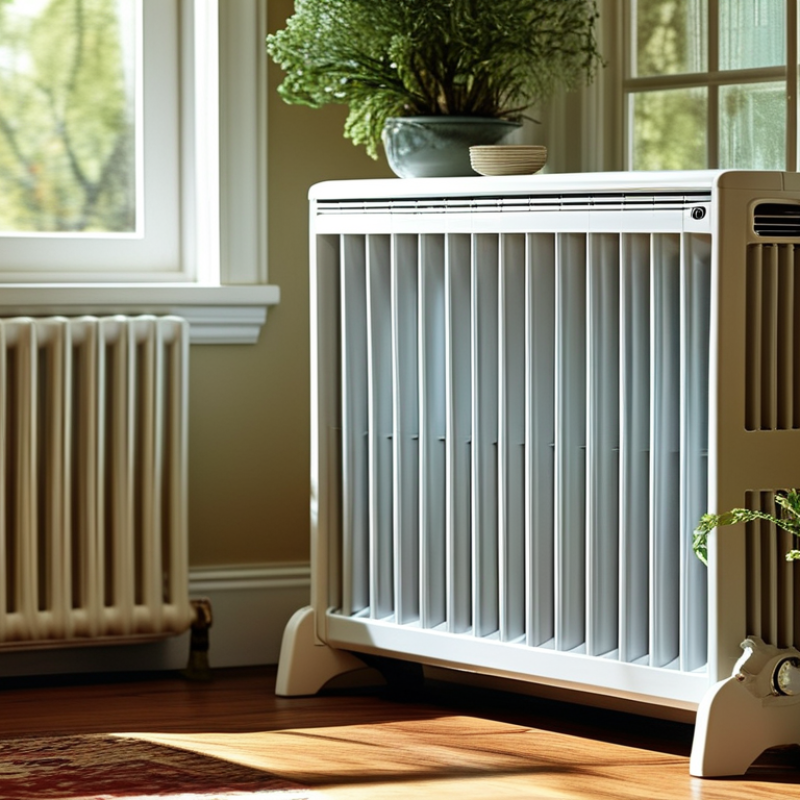
Top 10 Electric Duct Heater Types: Which One Is Best?
Electric duct heaters warm moving air inside ventilation systems, air-handling units, and zone-control branches. Their main applications include supplemental heating, fresh-air tempering, reheat after dehumidification, and frost protection. The common types include open-coil, finned-tubular, tubular, strip, slip-in, flange, VAV reheat, multi-stage, modulating, and explosion-resistant designs.
According to the U.S. Energy Information Administration’s 2020 Residential Energy Consumption Survey, space heating represented about 42% of household energy use. This figure explains why heater selection deserves careful attention. Open-coil units respond quickly and suit clean commercial air. Finned-tubular heaters resist airflow movement better and are easier to protect from contact. VAV reheat models fit offices where each room needs different temperatures. Modulating controls can reduce temperature swings, but only when sensors and airflow settings are correctly commissioned.
The best type depends on airflow, static pressure, humidity, access space, and control accuracy. A small clinic may need stable, low-noise reheat. A workshop may require tougher tubular elements. Large systems often benefit from staged or modulating control. Safety matters too. Airflow proving switches, high-limit cutouts, and proper grounding are not optional details.
The UNEP 2023 Global Status Report states that buildings consumed about 34% of global energy in 2022. Efficient heating design therefore has practical value. Still, electric duct heaters are not automatically efficient. Poor insulation, oversized elements, and incorrect sensor placement can waste energy. Field experience shows that installation quality sometimes matters more than the heater category itself. Selection should be verified against local codes, manufacturer data, and measured airflow.
Comparing the top ten electric duct heater types requires more than checking wattage. Open-coil heaters respond quickly and suit clean, dry air systems. Finned-tubular heaters offer stronger protection from dust and physical contact. Tubular elements handle demanding airflow better, but they may cost more. Inline heaters fit round ducts and compact ventilation layouts. Duct-mounted models work well where service access is limited.
VAV reheat heaters control air temperature in individual zones. Multistage heaters reduce sudden electrical demand through staged operation. Relay-controlled units are simple and affordable.
SCR-controlled models provide smoother modulation and tighter temperature control. Preheat heaters protect outdoor-air systems during cold weather. Supplemental heaters support weak heating zones without replacing the main system.
From field inspections, airflow matters as much as heater design. Low airflow can trigger high-limit protection or damage elements. Check duct size, air velocity, voltage, clearance, and control compatibility before selection. Automatic reset alone is not enough. Manual safety limits may improve fault awareness. Local electrical requirements also deserve careful review.
There is no universal winner. Open-coil units may be efficient, yet dusty environments expose their weakness. Modulating control improves comfort, but poor sensor placement can waste energy. I once underestimated access space during a layout review. The heater worked, but maintenance became awkward. A reliable choice matches the heater type, air quality, load, and service conditions.
Electric duct heaters differ in heat output, response time, airflow resistance, and installation demands. Open-coil heaters warm air quickly and suit clean, accessible duct systems. Finned tubular elements provide stronger protection against dust and physical damage. Strip heaters are compact, but they may create uneven temperatures in wide ducts. In practice, the best choice depends on airflow volume, duct size, and required temperature rise. A heater that performs well in a small office may struggle in a large workshop.
Efficiency depends on more than the element’s rated wattage. Correct sizing prevents short cycling and unnecessary energy use. Multi-stage controls can match heat output to changing demand. Modulating controls offer smoother operation, especially in buildings with varying occupancy. A properly placed temperature sensor matters. Poor sensor placement can cause overheating near the outlet while distant rooms remain cold. That problem is easy to miss during a quick inspection.
Installation requirements often decide the final selection. The duct must provide enough straight length for safe airflow and even heat distribution. Many systems require airflow proving switches, high-limit protection, and accessible service panels. Electric loads also need careful checking at the electrical panel. I have seen designs that fit the duct perfectly but exceed the available circuit capacity. That mistake is costly. Local codes, manufacturer instructions, and qualified electrical review should guide the installation. Insulation quality, filter condition, and regular element cleaning also affect real-world performance. The “most efficient” heater can disappoint when airflow is restricted.
Top 10 Electric Duct Heater Types: Which One Is Best?
Matching each duct heater to a building’s actual needs matters more than choosing the highest kilowatt rating. Open-coil heaters suit clean, dry commercial air systems with moderate airflow. Finned-tubular and tubular heaters tolerate harsher conditions and reduce direct contact between coils and moving air. Slip-in models work well for retrofit projects, while flange-mounted units support new duct installations. Multi-stage heaters help offices respond to changing occupancy. Modulating heaters offer finer control in schools and laboratories. Duct heaters with airflow proving switches improve safety. Heat-recovery systems may need smaller auxiliary heaters. High-temperature units fit industrial processes, not ordinary offices. Compact units help where ceiling space is limited.
The International Energy Agency reports that buildings consume about 30% of global final energy. They also produce roughly 26% of energy-related emissions. This makes control quality important, not optional. A properly selected heater should match airflow, duct size, filtration, humidity, and available electrical capacity. Oversizing can create short heating cycles and uncomfortable temperature swings. Undersizing leaves cold zones near exterior walls. That mistake is common.
Tips: Measure airflow before selecting wattage. Check the heater’s pressure drop. Confirm electrical capacity with a qualified professional. Use staged or modulating control where occupancy changes quickly. Commission sensors after installation. Small errors matter. A perfect calculation can still fail when filters load, dampers stick, or sensors sit near supply air. Review the design after one heating season. It may need adjustment.
Choosing the Best Electric Duct Heater for Your Project
Choosing an electric duct heater starts with airflow, not wattage. During commissioning, technicians often find oversized heaters cycling frequently and creating uneven room temperatures. Measure the duct size, airflow, entering-air temperature, and available voltage before selecting a heater. A basic heat-load calculation is essential.
Open-coil heaters respond quickly and usually fit applications needing compact, economical heating. Finned tubular heaters offer stronger mechanical protection and lower exposed-surface temperatures. They suit systems with dust, vibration, or frequent maintenance. Multi-stage models can improve comfort by matching heat output to demand. Variable control provides finer adjustment, but it requires compatible controls and careful commissioning.
Check the heater’s pressure drop, clearance, airflow proving device, high-limit protection, and access for inspection. Never assume a standard unit fits every duct. Local electrical and mechanical codes also matter, especially for conductor sizing, grounding, disconnects, and fire protection. A licensed professional should verify the final installation.
One detail is easy to miss. Low airflow can overheat elements even when the calculated wattage looks correct. A larger heater is not automatically better. In some projects, reducing capacity and improving control produces steadier heating. I would also leave room for imperfect conditions, such as dirty filters or partially closed dampers. That small allowance can prevent repeated safety trips and uncomfortable temperature swings.
: It warms moving air inside ventilation ducts, air-handling units, or zone branches. The heating happens inside the airflow.
They provide supplemental heat, fresh-air tempering, post-dehumidification reheat, and frost protection. Small clinics may use them for quiet zone heating.
Open-coil heaters usually respond quickly and work well with clean, dry air. Dusty spaces may expose their weakness.
Finned-tubular heaters offer stronger protection from dust and physical contact. Tubular elements suit tougher airflow conditions and demanding work areas.
No. Modulating control can reduce temperature swings and match changing demand. Poor sensor placement can still waste energy.
Check airflow, duct size, voltage, static pressure, humidity, and required temperature rise. Oversized elements may waste energy and cause short cycling.
Airflow proving switches, high-limit cutouts, proper grounding, and accessible service panels are important. Automatic reset alone is not enough.
Restricted airflow, poor insulation, dirty filters, and limited service access can cause trouble. A heater may fit perfectly but exceed circuit capacity.
There is no universal winner. Choose according to air quality, load, control accuracy, access space, and maintenance needs. My first choice could still be wrong.
Electric duct Heater systems provide a practical way to add or supplement heating in residential, commercial, and industrial ventilation applications. This article examines the top ten electric duct heater types, including their operating principles, control methods, airflow requirements, and typical installation positions. It explains how each design can support different HVAC layouts, from compact air-handling systems to larger duct networks, while emphasizing the importance of proper sizing, airflow, insulation, and safety controls.
The comparison focuses on heating performance, energy efficiency, temperature regulation, maintenance, and installation complexity. Some electric duct Heater options are better suited to precise zone heating, while others are more appropriate for high-volume air systems or limited installation spaces. By matching heater capacity, control features, and construction to the building’s size, climate, ventilation pattern, and operational needs, readers can make a more informed choice and select the best solution for reliable, efficient, and safe project performance.
