
Top Electric Hot Oil Heater Manufacturers for Global Buyers

Time:2026-10-15 Author:Sienna
0%

Choosing the right electric hot oil heater requires more than comparing prices and heating capacity. Global buyers must examine thermal stability, energy efficiency, construction quality, control systems, and after-sales support. A reliable unit should maintain consistent oil temperatures during long production cycles. Small details matter, such as insulation thickness, sensor placement, pump protection, and access for maintenance.

This guide introduces leading electric hot oil heater manufacturers serving international markets. It considers their engineering experience, manufacturing capabilities, product customization, documentation, and service networks. Buyers can also assess heating power, operating temperature, voltage options, safety controls, and compatibility with existing process equipment. These factors become important when equipment crosses borders and enters unfamiliar operating environments.

There is no universal best manufacturer. It depends on the application.

A food processor may prioritize hygienic design and precise temperature control. A chemical plant may require stronger materials, advanced monitoring, and detailed risk documentation. A smaller factory may focus on installation support, spare parts, and practical operating costs. Manufacturer websites can sound impressive, but technical drawings, test records, certifications, and customer references deserve closer attention.

Some comparisons remain imperfect. Public information is often incomplete or presented differently by each supplier. Therefore, buyers should verify specifications directly before placing an order. The following overview offers a practical starting point for evaluating reputable manufacturers, reducing selection risks, and matching equipment performance with real production demands.
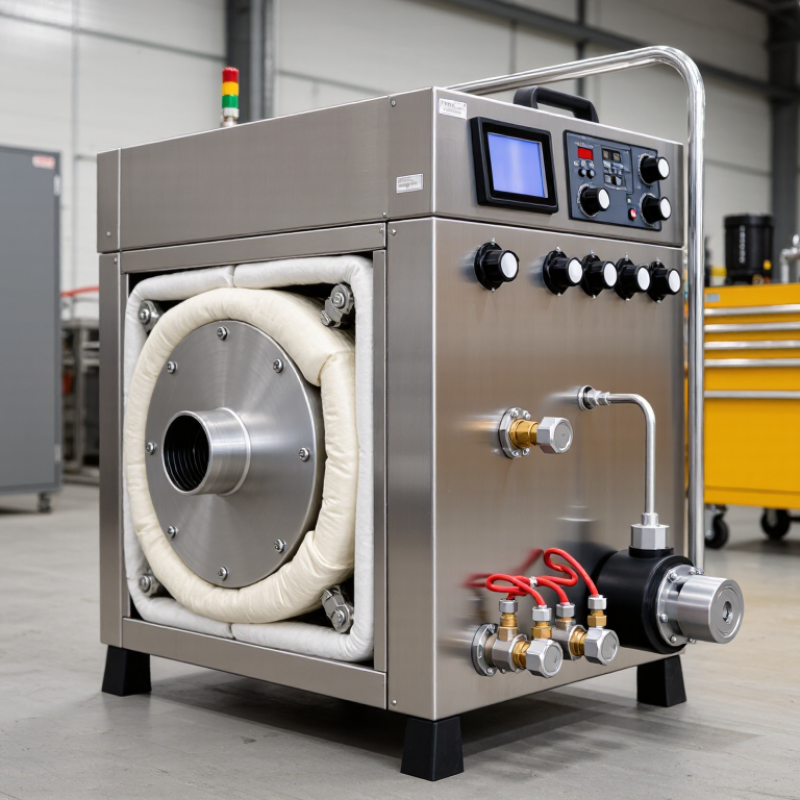
Top Electric Hot Oil Heater Manufacturers for Global Buyers

What Defines an Electric Hot Oil Heater Manufacturer

Top Electric Hot Oil Heater Manufacturers for Global Buyers

What Defines an Electric Hot Oil Heater Manufacturer

A capable electric hot oil heater manufacturer understands heat transfer beyond catalog specifications. Engineers should match wattage, oil flow, operating temperature, and vessel size to the process. A 500 kW heater may suit one line but overload another. That detail matters.

Manufacturing quality appears in small places. Properly welded heater bodies, insulated terminal boxes, accurate temperature sensors, and balanced circulation pumps reduce operating risks. Reliable manufacturers document material grades, pressure tests, electrical checks, and control-panel inspections. They also provide traceable drawings and clear maintenance instructions. Good records build confidence.

Experience matters during commissioning. Field engineers should explain startup procedures, oil expansion, filter cleaning, and emergency shutdowns. They should also ask about local voltage, ambient conditions, installation space, and applicable electrical requirements. One overlooked detail can delay an entire production line. It happens.

A dependable supplier does not promise perfect performance without reviewing the application. Heat loss, fluid aging, and operator habits can change results. Responsible technical teams admit these limits and suggest practical adjustments. They may recommend slower heating, improved insulation, or a larger expansion tank. After-sales support should include spare-part guidance, troubleshooting, and remote technical communication. Real expertise is measurable in the questions asked before production, not only in polished equipment photos.

Key Technologies Used in Industrial Hot Oil Heating Systems

Top Electric Hot Oil Heater Manufacturers for Global Buyers

Industrial hot oil heating systems rely on controlled heat transfer rather than direct product contact. Electric resistance elements heat thermal fluid inside a compact chamber. A circulation pump then moves the fluid through jackets, coils, or process lines. This design supports stable temperatures and clean operation.

Modern systems use PID controllers, RTD sensors, and programmable logic controls. These devices adjust power output when the process load changes. Expansion tanks manage fluid volume as temperature rises. Pressure switches, flow sensors, and high-temperature cutoffs add essential protection. Good insulation around the heater and piping also reduces heat loss. During commissioning, technicians should check sensor placement carefully. A poorly positioned sensor can create false temperature readings.

Tips: Select a heater with adjustable power stages, accessible sensors, and clear alarm records. Confirm the thermal fluid’s operating range before sizing the system. Verify local electrical, pressure, and installation requirements with qualified engineers. Remote monitoring can help, but it should not replace physical inspections. No design is perfect. Maintenance teams may still find uneven heating, delayed control response, or insulation damage after months of operation. Recording these issues improves future specifications and supports more reliable purchasing decisions.

Top Electric Hot Oil Heater Manufacturers for Global Buyers - Key Technologies Used in Industrial Hot Oil Heating Systems

Industrial hot oil heating systems commonly use electric resistance heating, circulation pumps, expansion tanks, temperature controls, and thermal fluids selected for the required process temperature. The chart shows typical operating temperature ranges for major industrial applications; actual values vary by fluid type, equipment design, and process requirements.

Temperature ranges are representative engineering ranges in °C for continuous industrial heating applications.

How to Evaluate Manufacturers for Global Purchasing

Top Electric Hot Oil Heater Manufacturers for Global Buyers

When evaluating manufacturers for global purchasing, start with engineering evidence, not attractive brochures. Check heating capacity, operating temperature, oil flow, control accuracy, and insulation design. Ask for performance records under conditions similar to your plant. A reliable manufacturer should provide drawings, wiring diagrams, material details, and clear maintenance instructions. Vague answers deserve attention.

Factory experience matters. Review production procedures, quality checkpoints, testing equipment, and technician training. Request inspection reports for pressure testing, electrical safety, temperature control, and emergency shutdown functions. Speak with recent international customers when possible. Their feedback may reveal delivery delays or slow technical support. These details often matter more than a low initial quotation.

Tips: Compare at least three suppliers using the same specification sheet. Request a sample calculation for energy use and heat-up time. Confirm spare-part availability in your region and ask how remote troubleshooting works. A video factory tour helps, but it is not proof of consistent quality. An on-site audit is stronger. I have seen buyers focus heavily on purchase price and overlook installation costs. That approach can become expensive. Also check packaging, export documents, warranty limits, and response times before signing. Even experienced teams miss small details.

Top Electric Hot Oil Heater Manufacturers for Global Buyers - How to Evaluate Manufacturers for Global Purchasing

A practical, brand-neutral comparison framework for evaluating electric thermal-oil-heater manufacturers and export suppliers.

Evaluation Dimension Relevant Technical Data or Benchmark What Global Buyers Should Verify Recommended Evidence Priority
Heating Capacity Confirm the required heat duty in kW based on process load, heat-transfer-fluid flow, inlet temperature, outlet temperature, and heat loss. Do not select a heater only by tank volume. Request a heat-balance calculation and a stated design margin. Signed technical datasheet, heat-duty calculation, and process data confirmation. Critical
Operating Temperature Many liquid-phase thermal-oil systems operate within approximately 150–300°C, depending on the selected heat-transfer fluid. Check the fluid supplier’s maximum film temperature, bulk temperature, viscosity range, and degradation limits. Fluid compatibility statement, temperature-control logic, and high-temperature shutdown settings. Critical
Electrical Supply Industrial installations commonly use three-phase power, including 380–415 V at 50 Hz or 460–480 V at 60 Hz, subject to local requirements. Verify rated voltage, frequency, phase configuration, short-circuit rating, cable entry, grounding, and control-panel requirements. Electrical single-line diagram, terminal schedule, nameplate data, and local electrical compliance documents. Critical
Heating Element Design Immersion elements should be selected for the thermal fluid, operating temperature, watt density, and allowable surface temperature. Ask how the design limits localized overheating and how elements can be inspected or replaced. Element material specification, watt-density data, spare-parts list, and maintenance procedure. Critical
Flow Protection The heater should not energize without confirmed circulation through the heating chamber. Verify flow switches, differential-pressure monitoring, pump interlocks, low-flow trips, and restart logic. Control philosophy, P&ID, functional test record, and alarm/interlock list. Critical
Temperature Control Industrial systems typically use a temperature controller with staged or proportional power control rather than simple manual switching. Check sensor type, sensor location, control accuracy, independent over-temperature protection, and alarm history capability. Control-panel specification, instrument list, calibration certificates, and factory acceptance test procedure. High
Thermal-Fluid Compatibility Mineral, synthetic, and specialized heat-transfer fluids have different temperature limits, viscosity, oxidation behavior, and seal compatibility. Confirm compatibility of the heater vessel, seals, gaskets, pump, expansion tank, valves, and piping materials. Material compatibility table, fluid safety data sheet review, and recommended operating envelope. Critical
Pressure and Mechanical Design Design pressure, operating pressure, test pressure, connection size, and allowable temperature must match the complete circulation loop. Check whether pressure-equipment rules apply in the destination market based on pressure, volume, fluid group, and equipment category. Pressure-vessel calculations, hydrostatic or leak-test records, drawings, and applicable conformity assessment documents. Critical
Safety Compliance Electrical heating equipment may require conformity with applicable electrical safety, electromagnetic compatibility, machinery, and pressure-equipment requirements. Identify the exact standards and regulations required in the importing country instead of accepting an unspecified “CE” or compliance claim. Declaration of conformity, test reports, risk assessment, technical file index, and country-specific certificates where required. Critical
Insulation and Heat Loss Proper insulation reduces external surface temperature, heat loss, energy consumption, and operator exposure. Review insulation material, thickness, cladding, removable panels, and measured external surface temperature. Insulation specification, thermal inspection record, and surface-temperature test results. High
Control-System Integration Common industrial interfaces include hardwired signals, digital communication, remote start/stop, emergency stop, and fault indication. Confirm compatibility with the buyer’s PLC, DCS, voltage levels, communication protocol, and cybersecurity policy. I/O list, communication map, software backup, panel drawings, and integration test report. High
Factory Testing Testing should cover insulation resistance, protective-earth continuity, pressure or leak integrity where applicable, alarms, interlocks, and simulated operating sequences. Require documented acceptance criteria before shipment and define which tests require buyer or third-party witnessing. Factory acceptance test plan, inspection checklist, calibration records, and signed test report. High
Manufacturing Capability A capable supplier should demonstrate controlled fabrication, electrical assembly, inspection, testing, and traceability for critical components. Assess production capacity, quality-control personnel, welding qualifications where relevant, and subcontractor management. Factory audit, quality manual, process flow chart, inspection plan, and sample traceability records. High
Documentation Package A complete package normally includes general arrangement drawings, P&ID, wiring diagrams, manuals, spare-parts lists, certificates, and test records. Set documentation requirements before the purchase order and define the approval schedule for drawings and revisions. Document register, approved drawings, operation and maintenance manual, and final data book index. High
Delivery and Export Logistics International delivery depends on equipment dimensions, gross weight, packaging, export classification, shipping terms, and destination-port requirements. Compare production lead time separately from approval time, shipping time, customs clearance, and site installation time. Manufacturing schedule, packing list, freight quotation, export documents, and agreed Incoterms. High
Warranty and After-Sales Support Warranty coverage should clearly define duration, exclusions, response time, replacement parts, and remote troubleshooting responsibilities. Check whether technical support is available in the buyer’s time zone and whether critical spare parts can be supplied internationally. Warranty terms, service-level agreement, spare-parts recommendation, and escalation contacts. High
Total Cost of Ownership Purchase price is only one component; operating energy, thermal-fluid replacement, maintenance, downtime, spare parts, and compliance costs also affect lifetime value. Compare suppliers using the same design duty, operating hours, electricity assumptions, maintenance scope, and warranty conditions. Five-year cost model, energy assumptions, maintenance schedule, and standardized commercial quotation. Critical
Purchasing note: Technical values should be finalized from the buyer’s process conditions, thermal-fluid data, electrical system, destination-country regulations, and approved engineering documents. Generic benchmarks are not a substitute for a project-specific design review.

Leading Manufacturer Profiles and Regional Market Strengths

Top Electric Hot Oil Heater Manufacturers for Global Buyers

Leading manufacturers often differ by engineering culture, regional demand, and service capability. European producers commonly emphasize thermal efficiency, precise temperature control, and documented energy performance. Their systems may suit pharmaceutical, food-processing, and chemical plants where stable heat matters. North American manufacturers often prioritize rugged construction, accessible controls, and fast parts support. This approach benefits facilities with long operating hours and limited maintenance teams.

East Asian manufacturers frequently offer compact designs, responsive automation, and competitive production capacity. Their equipment can fit crowded factories and export-oriented production lines. Some suppliers also adapt voltage, control language, and communication protocols for overseas installations. In the Middle East and Africa, experienced manufacturers focus more on dust protection, high ambient temperatures, and simplified field maintenance. Local service partnerships can matter as much as heater output.

Reliable suppliers provide material certificates, factory test records, wiring diagrams, and clear operating limits. Engineers should examine pump compatibility, expansion-tank design, insulation quality, and emergency shutdown functions. Site trials remain important. A polished specification sheet cannot reveal every installation problem. I have found that after-sales response often separates a dependable manufacturer from a merely capable one. Regional references help, but they need careful checking. Some suppliers describe global experience generously, while their technical teams have limited overseas exposure. Buyers should request commissioning procedures, spare-parts timelines, and maintenance examples before choosing a long-term partner.

International Standards, Customization, and After-Sales Support

Selecting a top electric hot oil heater manufacturer requires more than comparing heating capacity. The International Energy Agency reported that industry uses about 37% of global final energy. Efficient thermal systems therefore deserve serious technical review.

Reliable suppliers should design around international standards, including IEC 60204-1, ISO 12100, and applicable pressure-equipment requirements. Ask for documented factory testing, wiring diagrams, material certificates, and traceable safety checks. Customization may include voltage, pump configuration, insulation thickness, control interfaces, and heating-fluid compatibility. A practical supplier also supports factory acceptance testing before shipment. Certification helps, but it does not prove every customized configuration. That detail is often overlooked.

Tips: Request a complete spare-parts list, remote support procedures, and guaranteed response times. Check whether technicians can support your language and local electrical practices. The ISO Survey has recorded more than one million ISO 9001 certificates worldwide, yet quality systems vary greatly between factories. After-sales performance matters more than paperwork alone. Require commissioning guidance, preventive-maintenance schedules, alarm explanations, and operator training. Ask for service records from comparable installations. No manufacturer is perfect; unclear assumptions can still cause delays. A small pilot order may reveal communication gaps before a larger project begins.

FAQS

What technical evidence should buyers request from a manufacturer?

Request heating capacity, operating temperature, oil flow, and control accuracy. Ask for drawings, wiring diagrams, material details, and maintenance instructions. Vague answers need closer review.

How can buyers compare several manufacturers fairly?

Give at least three suppliers the same specification sheet. Compare energy use, heat-up time, delivery, warranty limits, and technical support. Low prices can mislead.

Which factory quality records matter most?

Review production procedures, inspection points, and technician training. Request pressure-testing, electrical-safety, temperature-control, and emergency-shutdown records. Paperwork is useful, not perfect.

Why should buyers examine installation and operating conditions?

Confirm pump compatibility, expansion-tank design, insulation quality, and site temperature. A heater suitable for one plant may struggle in another. Installation costs are easy to overlook.

What regional differences should global buyers consider?

Some suppliers emphasize thermal efficiency and precise temperature control. Others focus on rugged construction, compact designs, or fast spare-parts support. Choose for your factory, not geography alone.

How can buyers verify international experience?

Speak with recent overseas customers when possible. Ask about delivery delays, commissioning, troubleshooting, and response times. References need careful checking.

What documents should be confirmed before signing?

Confirm material certificates, factory test records, export documents, wiring diagrams, and operating limits. Check packaging, warranty exclusions, spare-parts timelines, and remote-support procedures. Small omissions become expensive.

Is a video factory tour enough to judge quality?

No. A video shows activity, not consistent production quality. An on-site audit provides stronger evidence about testing equipment and actual procedures. Even experienced teams can miss details.

Conclusion

Choosing the right electric hot oil heater manufacturer is essential for achieving reliable, efficient, and safe industrial heating. A qualified manufacturer should demonstrate strong engineering capabilities, consistent product quality, and experience designing systems for different industries and operating conditions. Key technologies may include advanced temperature control, energy-efficient heating elements, thermal fluid circulation systems, insulation solutions, automated monitoring, and safety protection against overheating or pressure irregularities.

For global buyers, manufacturer evaluation should consider production capacity, technical documentation, quality management, international certifications, customization options, delivery capability, and long-term after-sales service. Leading suppliers often serve specific regional markets while offering adaptable system designs, multilingual support, spare parts availability, installation guidance, and maintenance assistance. Buyers should also confirm that equipment complies with applicable international standards and can be tailored to local voltage, capacity, process temperature, and space requirements. By comparing technical performance, service reliability, customization flexibility, and total ownership cost, purchasers can select an electric hot oil heater partner that supports stable operation and sustainable industrial growth.

Sienna

Sienna

Sienna is a skilled marketing professional with a deep expertise in our company’s core products and services. With a passion for innovation and detail, she plays a pivotal role in crafting insightful blog posts that not only highlight the unique features of our offerings but also provide valuable......