1 / 4

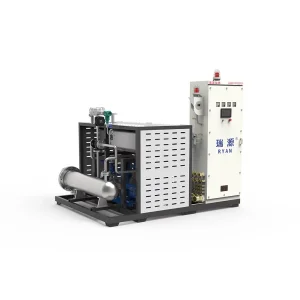
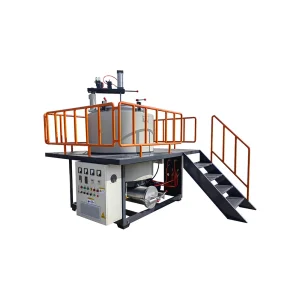
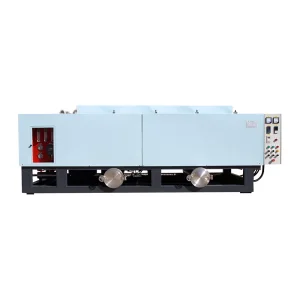
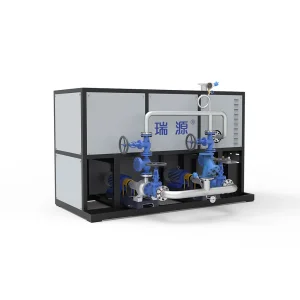
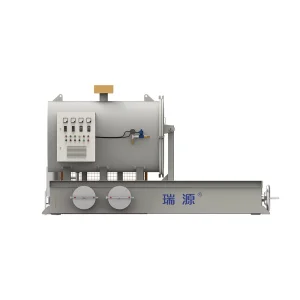
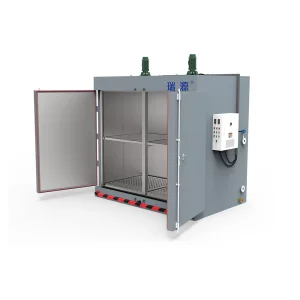
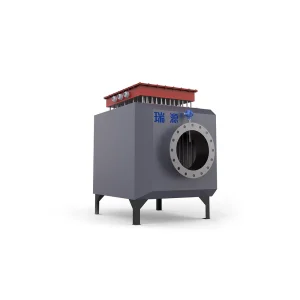
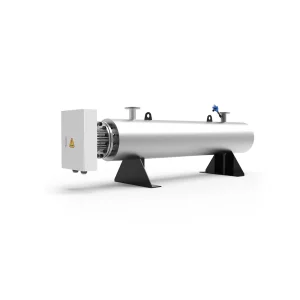
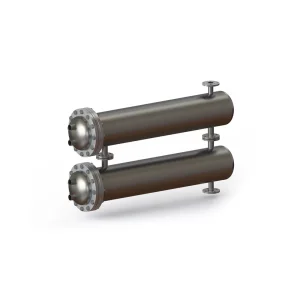
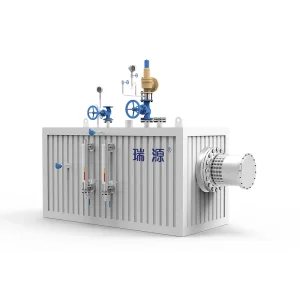
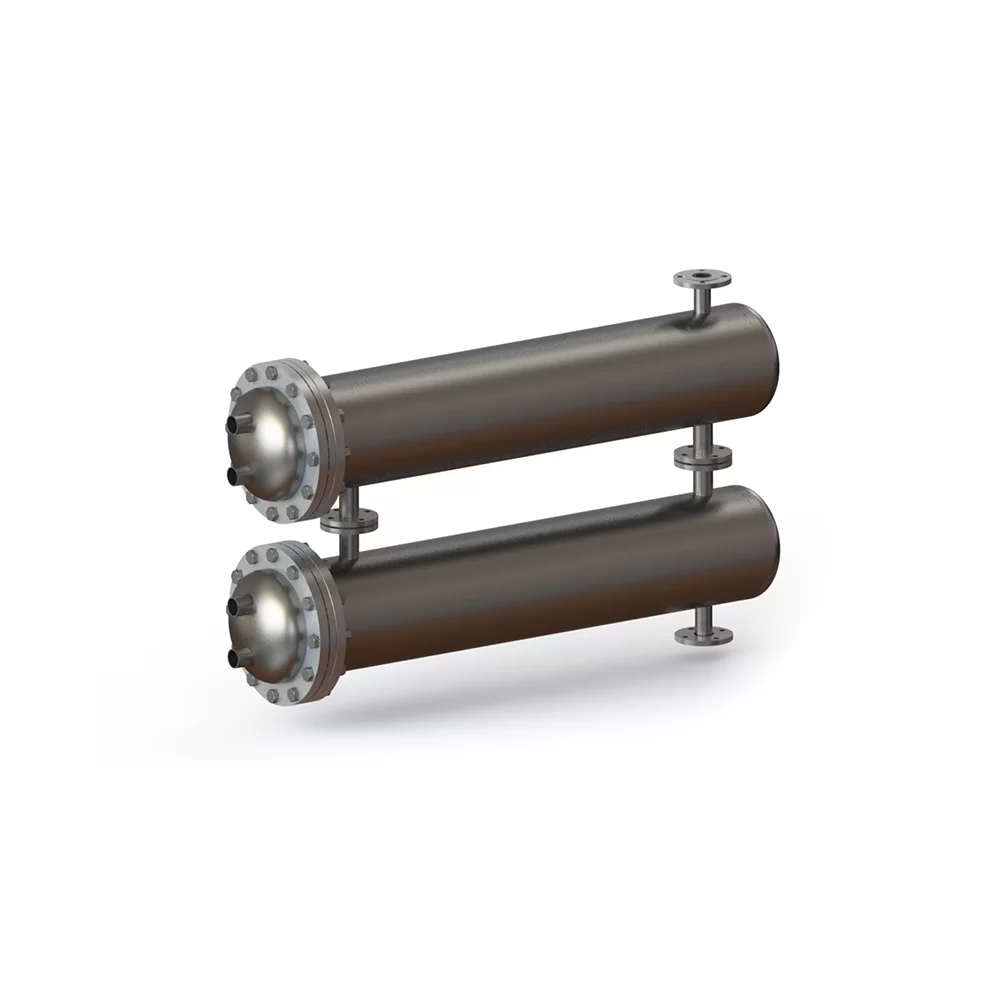
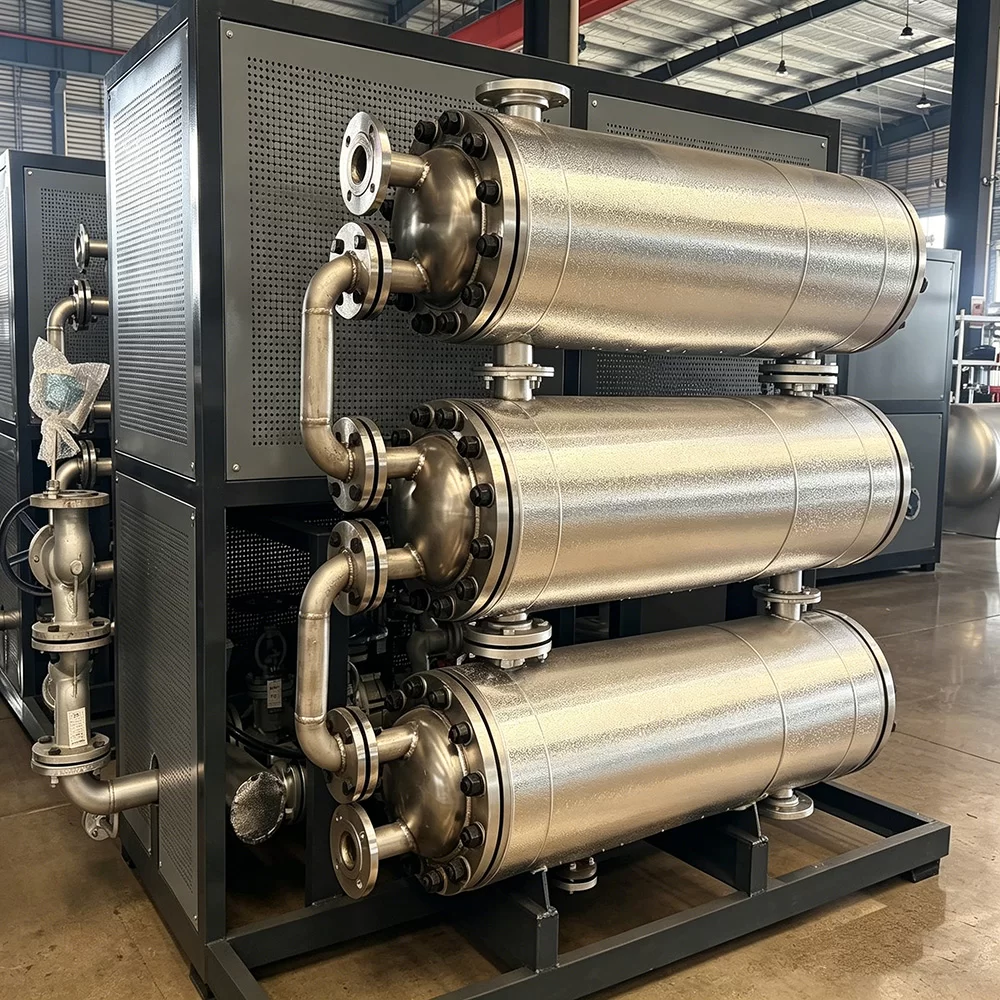
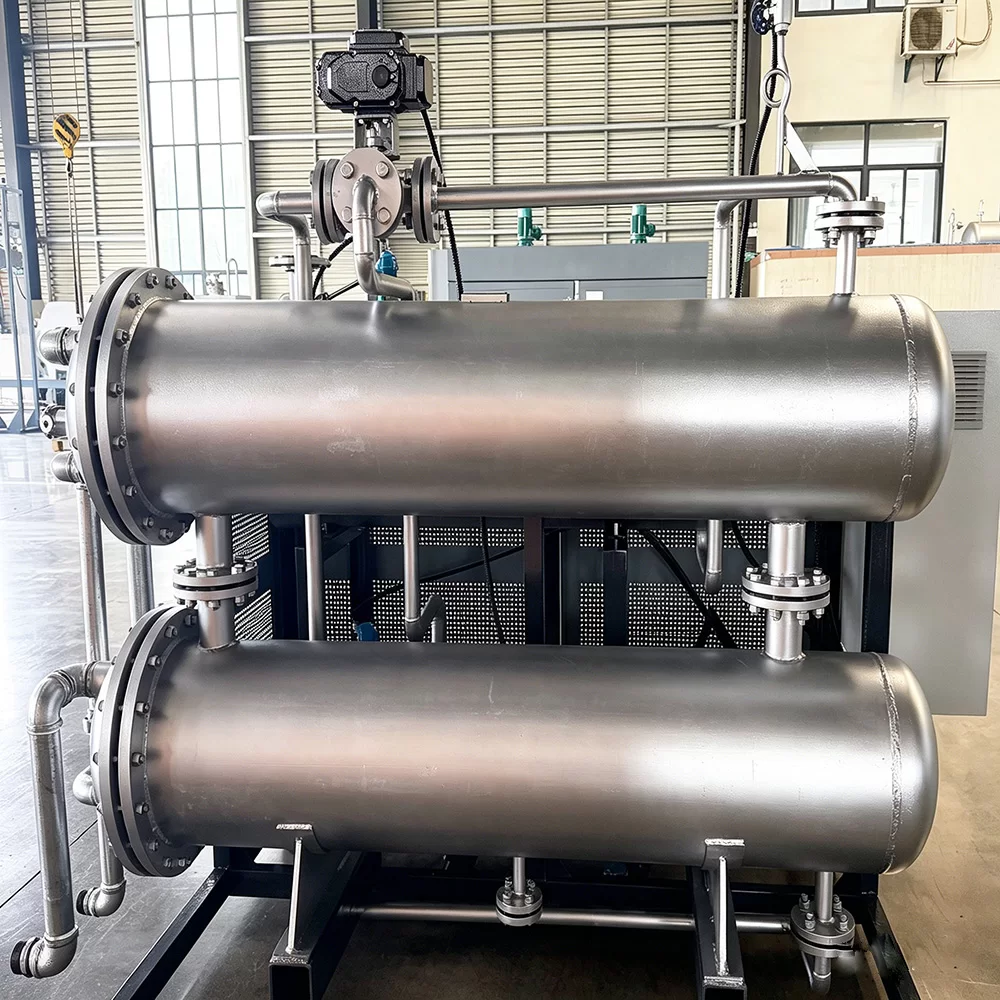
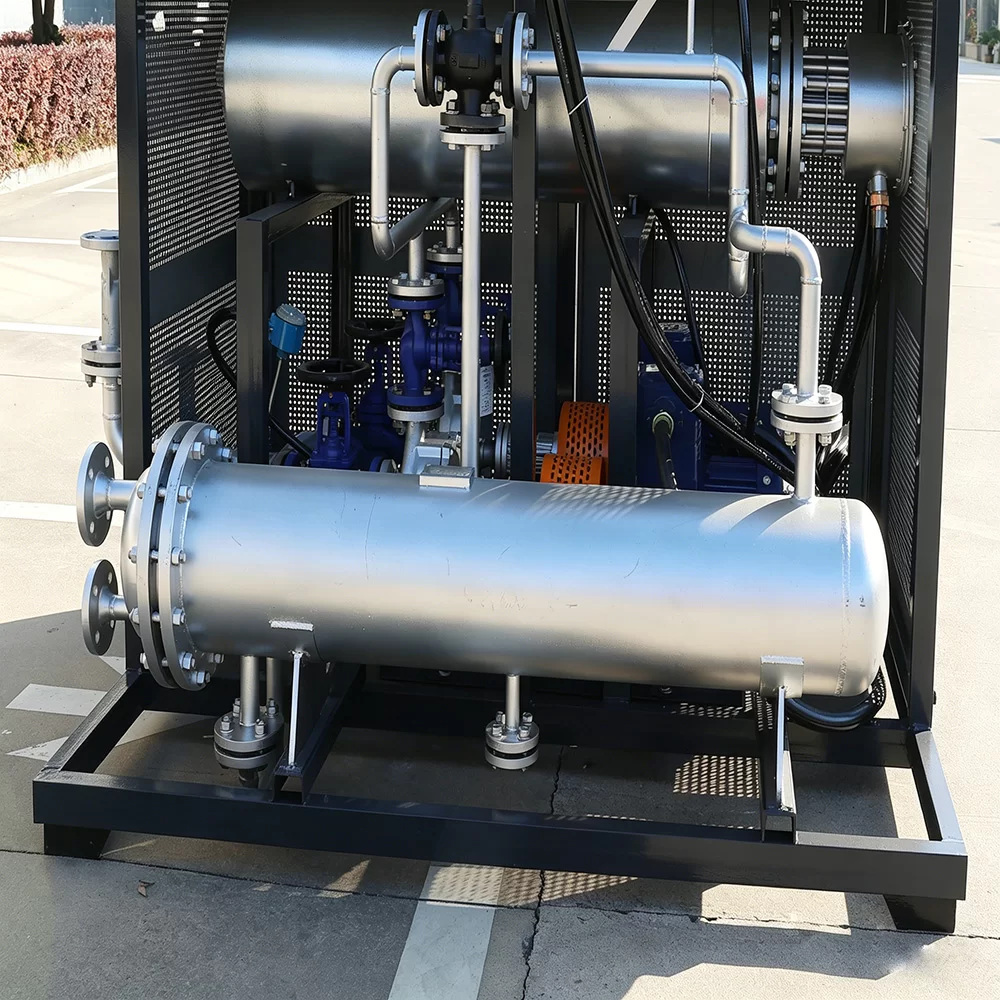
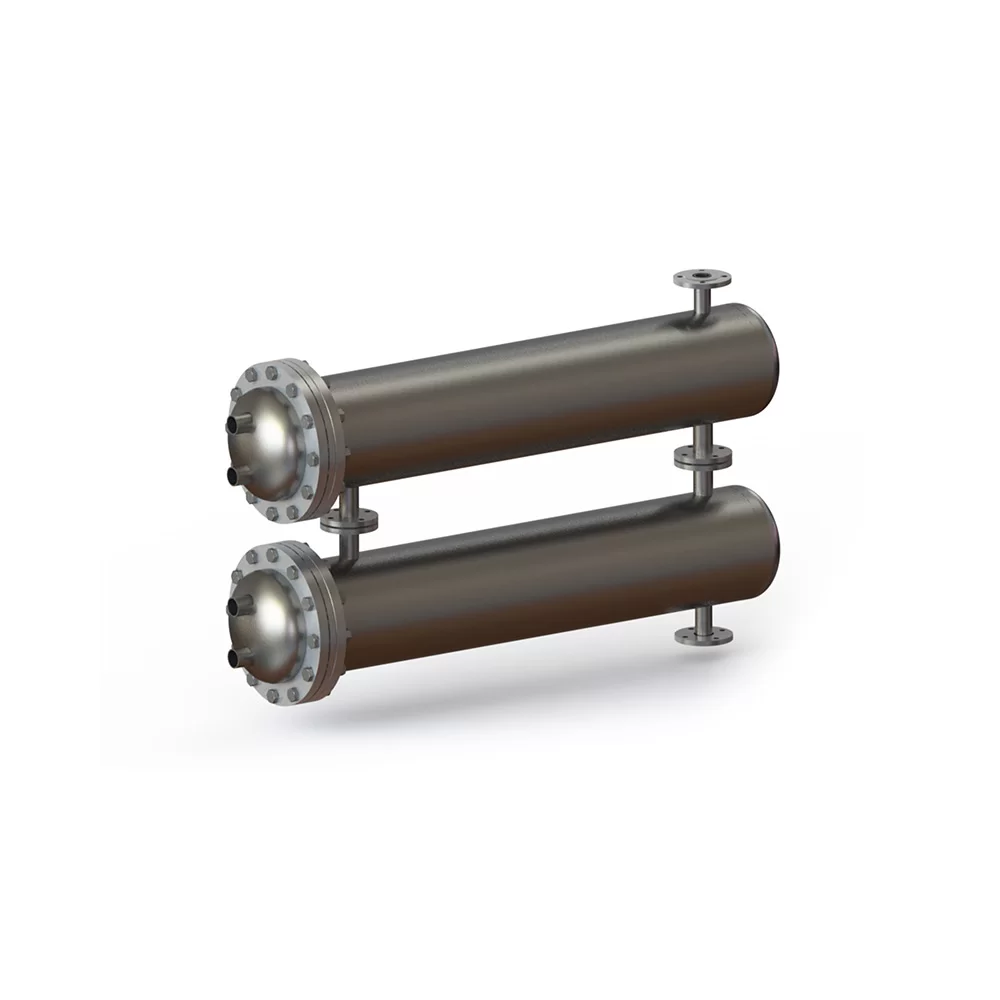
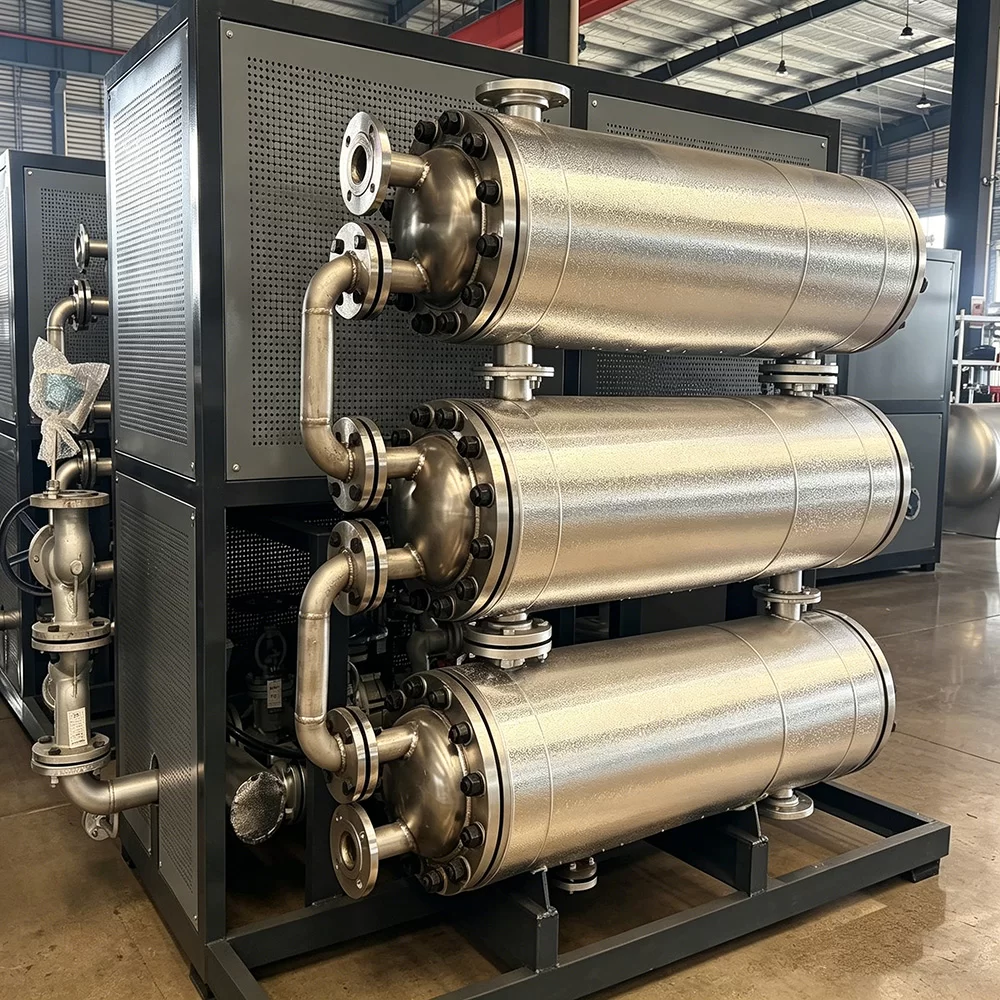
The Thermal Oil Heat Exchanger is a high-performance thermal energy transfer system engineered to move heat between hot thermal oil and various process fluids, including liquids, gases, or air. Operating typically between 150°C and 400°C, these exchangers provide a safe, stable, and efficient heat source that eliminates the high-pressure risks associated with traditional steam systems, making it ideal for critical industrial environments.
Designed for extreme versatility, these units can be configured to serve multiple critical roles: as a Heater to raise process fluid temperatures, a Cooler for temperature reduction, a Condenser for solvent vapor recovery, an Evaporator for high-stability heat transfer, or a Reboiler for distillation columns. By combining custom engineering with advanced materials, precise temperature control and maximum thermal efficiency are ensured for your specific operational needs.
| Operating Temperature | 150°C to 400°C | System Pressure | Low pressure (relative to steam) |
|---|---|---|---|
| Thermal Stability | High stability, low fouling | Control Method | PID / DCS / PLC Integration |
| Temperature Sensors | PT100 or Thermocouples | Control Valves | Modulating or Three-way mixing |
| Monitoring Tools | Differential Pressure Gauges | Flow Measurement | Optional Flow Meters |
| Configuration | Custom Engineered / Bespoke | Material Selection | Process-specific alloys/steel |
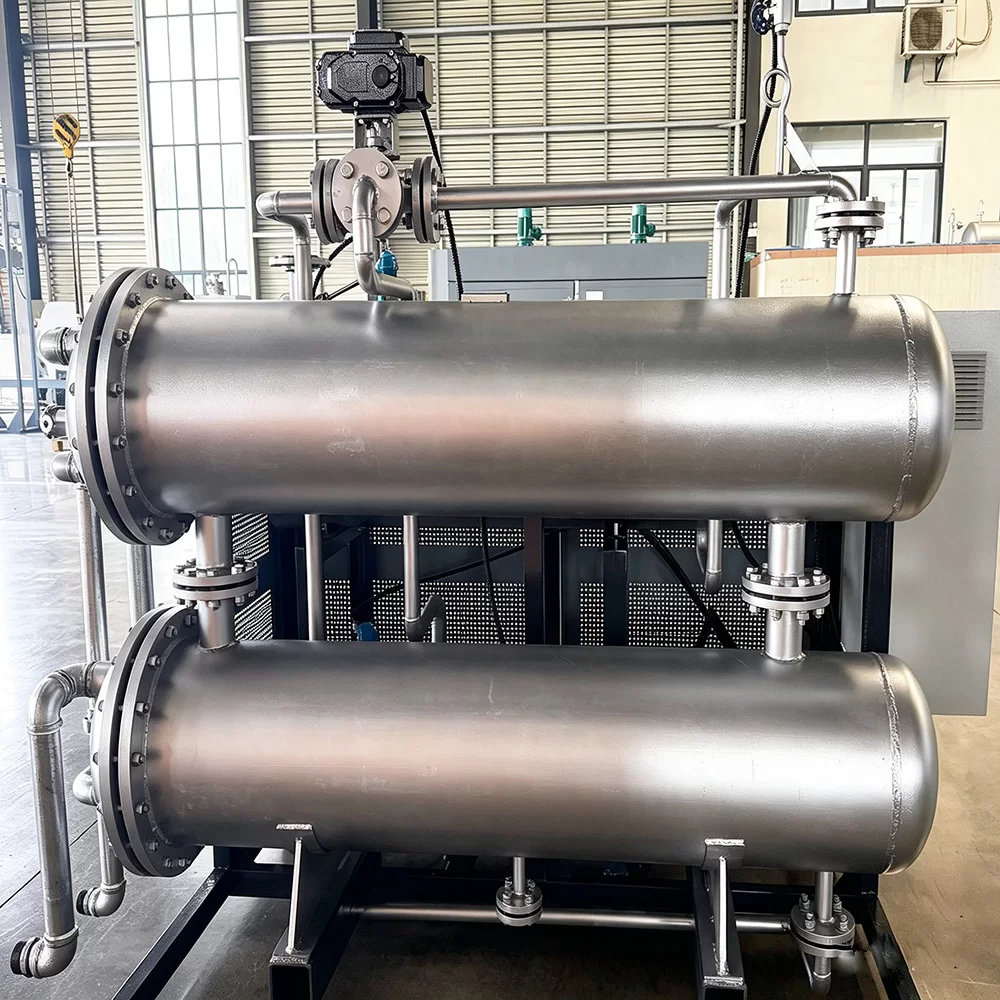
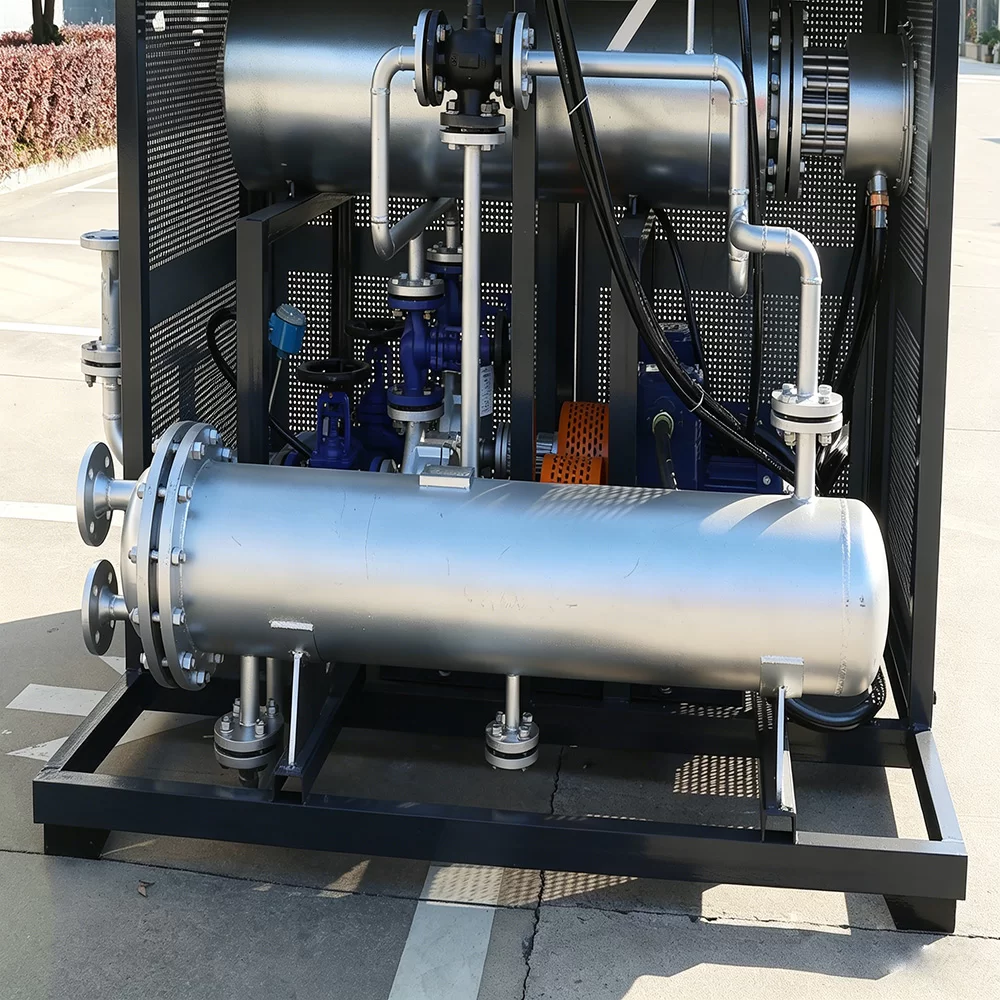
Centralized management of heat transfer rates and thermal oil distribution for maximum efficiency.
Real-time adjustment of flow rates and temperatures to match dynamic production requirements.
Pressure gauge and sensor tracking to detect fouling or blockages before they cause downtime.
Integrated alarm systems for temperature spikes or pressure drops to protect system integrity.
Monitoring thermal oil levels and quality to schedule timely replacements or top-ups.
Seamless connection with plant-wide DCS/PLC for unified industrial automation.
| Metric | Standard Exchangers | Optimized Exchangers |
|---|---|---|
| Energy Consumption | Baseline High | 10% - 20% Lower |
| Pressure Risk | High (Steam Systems) | Low (Thermal Oil) |
| Maintenance Interval | Frequent Scaling Clean | Extended Service Life |
| Temperature Precision | ± 5-10°C Variance | ± 1-2°C PID Control |
| Total Cost of Ownership | Moderate/High (Ops) | Low (Efficient Ops) |