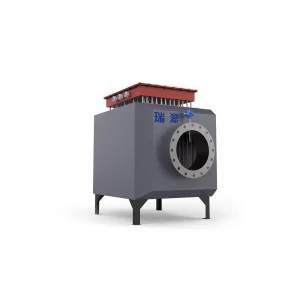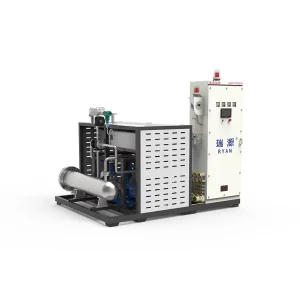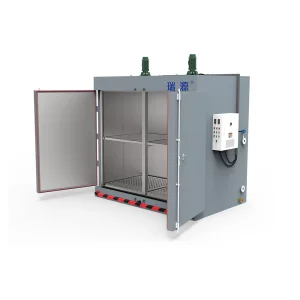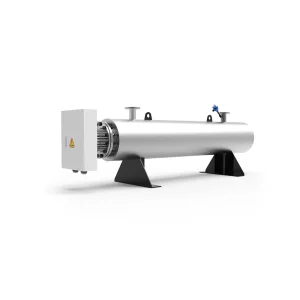
Discover our CE-compliant, high-performance thermal oil heaters, circulation units, and industrial heating furnaces.
Jiangsu Ruiyuan Heating Equipment Technology Co., Ltd. is a premier Chinese manufacturing pioneer specializing in the comprehensive research, development, engineering, sales, and globally recognized after-sales service of thermal process solutions. Centered upon our corporate philosophy—“integrity as our foundation, quality as our key to success, keeping pace with the times, and continuous innovation”—we deliver state-of-the-art heating solutions tailored to heavy-duty industrial processing environments.
With over 30 years of elite engineering experience in industrial boiler R&D and custom thermal manufacturing, Ruiyuan stands as a benchmark for high-reliability systems. Our specialized portfolio includes CE-certified electric thermal oil heaters, vacuum cleaning furnaces, heavy-duty air heaters, biphenyl steam generators, and all corresponding critical thermal execution accessories. We enable modern manufacturing plants to achieve zero direct emissions, maximum thermal transfer rates, and strict process compliance.
Industrial heating systems fail due to inadequate engineering. We resolve the four most critical heating dilemmas faced by modern factories.
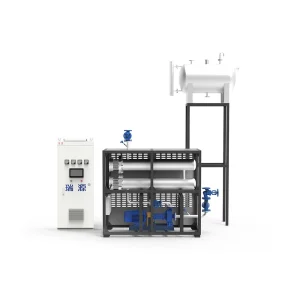
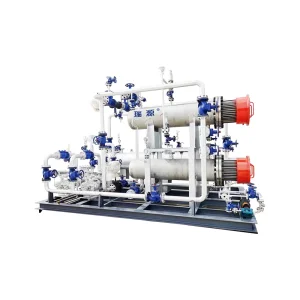
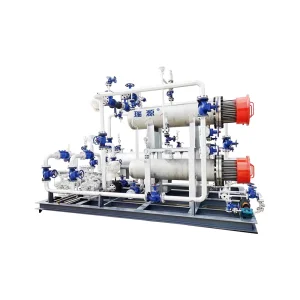
Conventional systems suffer from lag and thermal overshoot, destroying sensitive raw materials. We integrate advanced dual-PID controllers and Temperature Control Units (TCU) that guarantee a stabilization window of ±0.5°C.
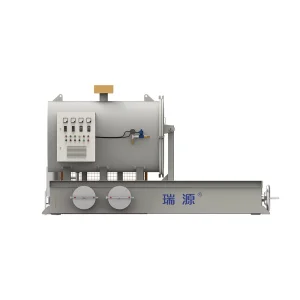
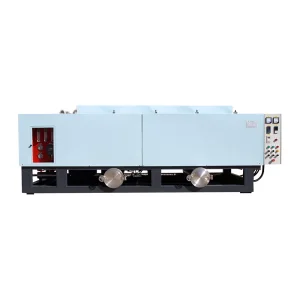
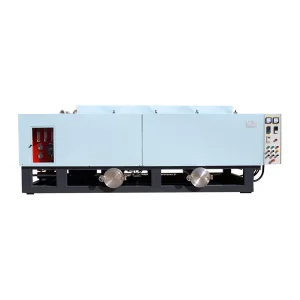
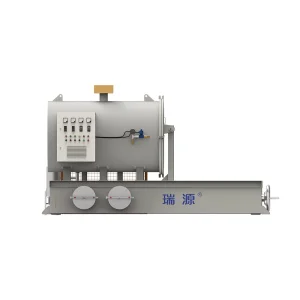
Polymer buildup on components like spinnerets and extrusion filters is highly resistant to traditional solvents. Our specialized Vacuum Cleaning and Calcination Furnaces ensure complete polymer removal without damaging delicate mechanical structures.
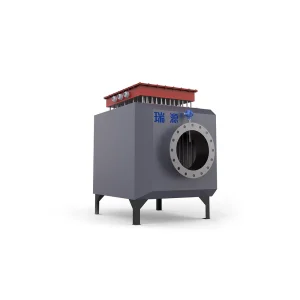
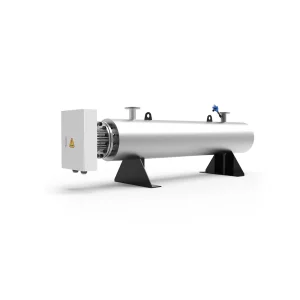
Transporting heavy crude oil or highly viscous chemical liquids requires uniform heating along pipe networks. Our high-efficiency inline electric pipe and duct heaters eliminate cold spots and secure consistent flow velocities.
Standardized boilers often fail to fit pre-existing floor spaces or match unique voltage specifications. Ruiyuan excels in tailored engineering, providing custom configurations optimized for restricted footprint layouts and extreme process parameters.
The global industrial heating market is undergoing an unprecedented transition. Historically reliant on traditional fossil-fuel-fired steam and thermal oil boilers, industrial sectors are now transitioning toward fully electrified thermic fluid heaters. This shift is driven by stringent carbon neutrality policies, volatile fuel prices, and the superior performance of modern thermal fluids. These systems deliver exceptionally high temperatures (exceeding 350°C) at low system pressures, bypassing the safety and operational hazards of high-pressure steam boilers.
For manufacturers operating across the European Union, North America, and parts of Asia, possessing CE certification (specifically complying with the Pressure Equipment Directive 2014/68/EU) is not merely a regulatory checkpoint. It represents a baseline indicator of engineering integrity. Thermic fluid heaters (both organic heat transfer oils and synthetic media like biphenyl mixtures) must withstand harsh operating conditions without thermal fluid cracking, which otherwise leads to hazardous system fouling or complete boiler failure.
Furthermore, the integration of Explosion-Proof (ATEX / IECEx) ratings has become standard practice within the petrochemical, chemical synthesis, and pharmaceutical processing industries. As plants automate, the demand for precise Temperature Control Units (TCU) that can switch seamlessly from rapid heating to active cooling cycles has surged, creating a need for highly flexible, custom-engineered non-standard heating apparatus.
Understanding the thermodynamics of thermic fluid systems requires looking at two key components: the film temperature of the fluid and the heat flux density of the heater elements. The bulk temperature is the temperature of the fluid in the center of the pipe, whereas the film temperature is the actual temperature of the fluid in direct contact with the heating element. To prevent premature thermal cracking—which degrades the heat transfer fluid (HTF) into volatile low-boilers and insoluble carbon sludges—the element's watt density must be meticulously calculated.
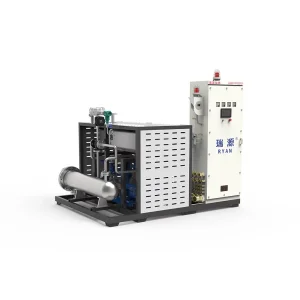
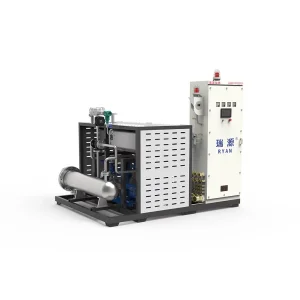
Ruiyuan's electric thermal oil boilers utilize a low-watt-density heating element design (typically below 2.0 W/cm² depending on fluid viscosity). This prevents localized hot spots. Our internal flow geometry is optimized to maintain turbulent flow (characterized by a high Reynolds number). This ensures continuous heat absorption and prevents the thermal oil from stagnating. The table below highlights the crucial differences between conventional high-pressure steam systems and our low-pressure thermic fluid systems:
For operations requiring vapor-phase heating at higher temperatures, our biphenyl steam generators offer an alternative. By vaporizing biphenyl-diphenyl oxide mixtures, they distribute high heat across large jacketed vessels with minimal temperature drop across the system.
Engineered to excel in demanding operational settings across diverse industries worldwide.
Operating in hazardous zone environments requires explosion-proof certifications. Our thermal oil boilers feature certified heating bundles and pressure vessels designed to safely preheat heavy crude oil, bitumen, and lubricants without ignition hazards.
Accumulation of polymers on spinning nozzles, spinnerets, and filter discs leads to production downtime. Our vacuum cleaning furnaces use calcination processes to clean components without causing thermal distortion or structural wear.
Synthesizing pharmaceutical compounds requires rapid heating to trigger reactions, followed immediately by controlled cooling to prevent thermal runaway. Ruiyuan's dual-loop TCU units switch fluid paths automatically to stabilize reaction temperatures.
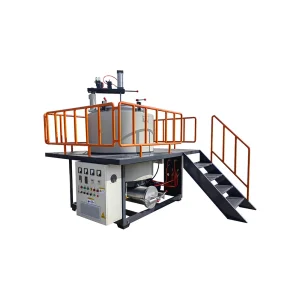
Consistent, uniform temperatures are critical for setting dyes and curing industrial fabric coatings. Our thermal oil-heated ovens provide reliable convection heat transfer without the uneven temperature distribution common in hot air systems.
Driving the next generation of smart, zero-emission process heating technologies.
IoT Smart Diagnostics: Integration of continuous monitoring sensors inside the HTF fluid channel to analyze oil quality, detect early signs of carbonization, and alert operators to prevent system fouling.
Ultra-Low Watt Density Innovation: Development of modular composite heaters that further reduce local surface temperature gradients, extending the lifespan of both organic and synthetic oils.
Zero-Emission Hybrid Heating: Launching hybrid solar-electric thermal oil systems designed for off-grid industrial processing, helping manufacturers achieve scope 1 emission targets.
Essential technical insights regarding thermal fluid heater operations, compliance, and custom design.
Explore our advanced vacuum calcination cleaning systems and precision temperature control systems.