High-precision thermal oil systems, explosion-proof units, and industrial ovens engineered to eliminate temperature drift and optimize energy recovery.
In the landscape of modern chemical refining, synthetic fiber synthesis, polymer processing, and heavy industrial manufacturing, precise thermal control is the margin between optimal yield and system degradation. Jiangsu Ruiyuan Heating Equipment Technology Co., Ltd. stands as a premier Chinese manufacturing enterprise specialized in the research and development, design engineering, fabrication, sales, and comprehensive lifecycle support of advanced electric and fluid-based heating configurations.
Rooted in our foundational motto, "Integrity as our foundation, quality as our key to success, keeping pace with the times, and continuous innovation," we build high-capacity thermal systems engineered for maximum reliability. Backed by over 30 years of engineering pedigree in industrial boiler research, development, and advanced manufacturing, Ruiyuan focuses on heavy-duty industrial electric heating solutions, tackling complex engineering challenges globally.
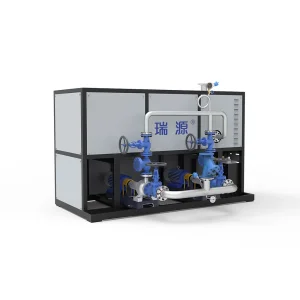
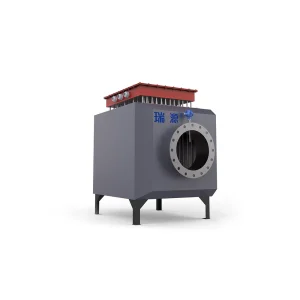
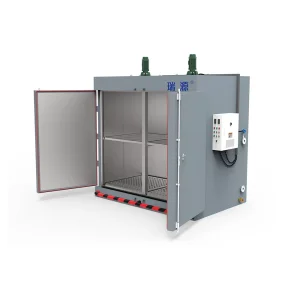
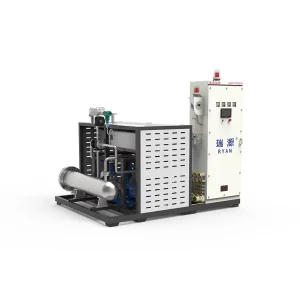
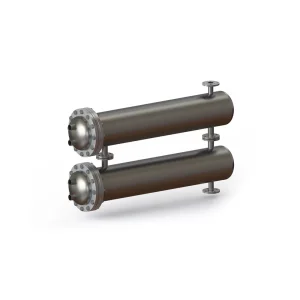
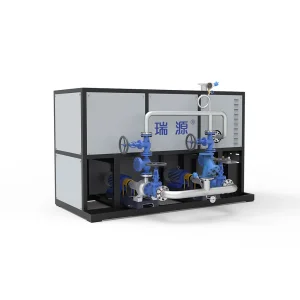
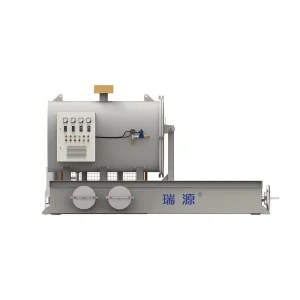
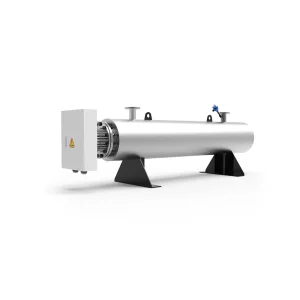
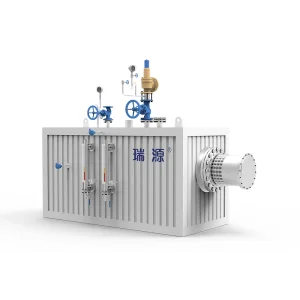
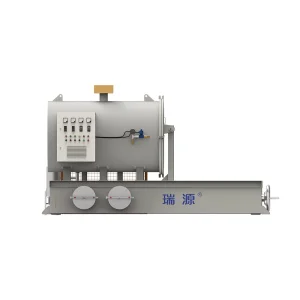
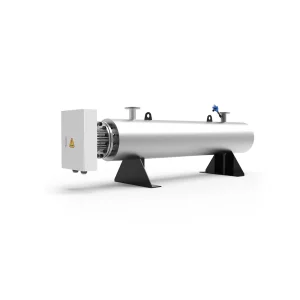
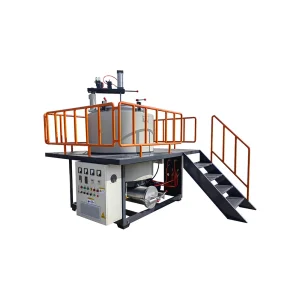
Ruiyuan's comprehensive product lineup spans electric thermal oil heaters, vacuum calcination cleaning ovens, custom air duct heaters, biphenyl steam generators, and dedicated component accessories. Our system engineering specifically target and resolve four persistent industrial challenges:
We design systems that mitigate unstable heat delivery, preventing fluid degradation and ensuring exact process control.
Our vacuum thermal ovens remove difficult polymer residue from production spinnerets and filtration packs without damaging metallurgy.
High-viscosity pipeline systems are engineered to prevent sudden line freezing, reducing localized heat buildup and pipeline strain.
We design custom solutions tailored to specific space constraints, hazardous location classifications, and custom process dynamics.
Decarbonization, electrification, and IoT integration are reshaping high-temperature process heating.
Industrial operators are shifting from fossil-fuel-fired systems to high-efficiency electric thermal heaters, helping facilities meet zero-emissions targets and integrate with clean power grids.
Modern plants favor thermal fluids that achieve high operating temperatures (up to 350°C) at atmospheric or low operating pressures, reducing system wear and safety risks compared to high-pressure steam boilers.
Equipping heaters with digital control systems allows operators to monitor fluid conditions, prevent thermal cracking, and optimize pump efficiency in real time.
| Heating Technology | Max Operational Temp | Operating Pressure | Thermal Efficiency | Maintenance Profile |
|---|---|---|---|---|
| Electric Thermal Fluid Heaters | Up to 380°C | Atmospheric / Low (<10 Bar) | 98% - 99% | Low (Minimal moving parts, clean heat source) |
| Fuel-Fired Thermal Fluid Boilers | Up to 400°C | Atmospheric / Low | 82% - 88% (w/o heat recovery) | High (Requires burner tuning, flue maintenance) |
| Saturated Steam Boilers | Up to 180°C (typically) | High (>15 Bar for higher temps) | 75% - 82% | High (Water treatment, blowdown, corrosion) |
Years of Engineering Experience
Heating Transfer Efficiency Rating
Max Operating Temperatures
Countries Exported Worldwide
Key technical specifications and regulatory standards to evaluate before purchasing a thermal fluid heating system.
When drafting a Request for Proposal (RFP) for a high-temperature industrial project, it is essential to specify the parameters that impact safety, longevity, and efficiency.
Industrial thermal oil heaters must comply with regional and international codes to ensure safety and simplify commissioning:
How Chinese manufacturing optimizes lead times and component reliability for global industrial markets.
Jiangsu's industrial cluster hosts direct material and component suppliers, including high-purity alloy manufacturers and precision forging houses, reducing raw material lead times.
Ruiyuan integrates CNC tube bending, automated orbital welding, and non-destructive testing (NDT), including ultrasonic and radiographic checks, to ensure long-term pressure boundaries.
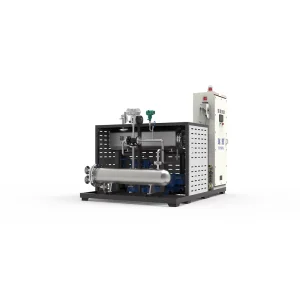
Systems are shipped pre-assembled as integrated skid packages containing the heater, circulation pumps, expansion tank, valves, and PLC controls, reducing on-site installation work.
Ruiyuan specifies premium alloys such as SUS304, SUS316L, and Incoloy 800/840 for heating element sheaths. These alloys resist high-temperature oxidation and chemical attack in harsh environments, reducing the risk of element burnout compared to basic carbon steel components.
A comparative overview of leading global thermal fluid heating system manufacturers.
| Manufacturer Group | Primary Headquarters | Key Core Competencies | Target Industries Served |
|---|---|---|---|
| Jiangsu Ruiyuan Technology | China | Bespoke electric thermal oil heaters, vacuum calcination furnaces, high-efficiency heat exchangers, modular skids. | Synthetic fibers, petrochemicals, polymer processing, plastics, custom engineering. |
| Chromalox | USA | Large-scale industrial electric process heating, advanced temperature control systems. | Oil & gas, chemical processing, power generation, defense. |
| Fulton Boiler Group | USA | Thermal fluid heaters (thermal oil boilers), vertical tubeless steam designs. | Food processing, laundry, pharmaceutical, chemical manufacturing. |
| Babcock Wanson | Europe | Industrial thermal fluid heaters, steam boilers, VOC oxidation burners. | Refineries, textiles, asphalt plants, district heating. |
| Heatec (Astec Industries) | USA | Heavy-duty helical coil heaters, thermal oil storage tank configurations. | Asphalt paving, marine terminals, heavy chemicals. |
| Pirobloc | Spain | High-temperature fluid circulation designs, energy recovery systems. | Biodiesel plants, food production, wood processing. |
| Sigma Thermal | USA | Biomass combustion systems, direct and indirect-fired process heaters. | Forest products, petrochemicals, agricultural processing. |
| Konus-Kessel | Germany | High-capacity thermal oil boiler designs, solid fuel biomass plants. | Wood boards, energy utility sectors, large refineries. |
| Thermon | USA / Canada | Process heating systems, electric heat trace configurations. | Hazardous location refining, petrochemicals, cold-weather piping. |
| GTS Energy | USA | Custom-engineered thermal oil heaters, waste heat recovery units (WHRU). | Power plants, marine transport, heavy chemical refining. |
How thermal fluid systems address specific process demands across key industrial sectors.
Heavy crude and asphalt require constant high-temperature heating to maintain flowable viscosities. Our Explosion-Proof Electric Thermal Oil Boilers provide reliable heat trace medium delivery within Zone 1 environments, reducing localized hot spots that can cause pipe fouling.
Polyester, nylon, and synthetic fibers demand extremely uniform temperature profiles during polymer extrusion. Our Biphenyl Steam Generators use high-temperature biphenyl media to provide precise vapor-phase heating, preventing product variation.
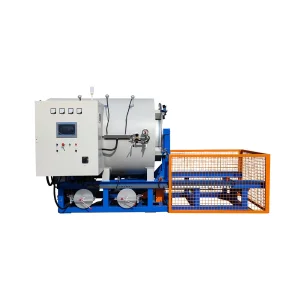
Extrusion dies and filter bundles require cleaning to remove polymer residue without damaging precision tooling. Our Vacuum Calcination Furnaces decompose organic polymers under vacuum, minimizing thermal stress on the components.
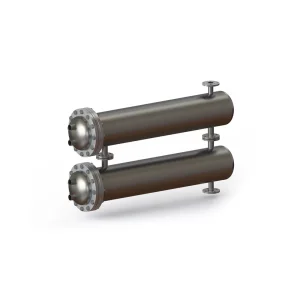
Skid-mounted heaters, biphenyl steam generators, vacuum cleaning furnaces, and high-efficiency oil-to-fluid heat exchangers.
Technical insight and practical considerations for industrial thermal fluid systems.