Home >
Pressure Vessel >
RYAN Biphenyl Steam Generator – Uniform Heating, Precise Temperature Control
1 / 4
RYAN Biphenyl Steam Generator – Uniform Heating, Precise Temperature Control
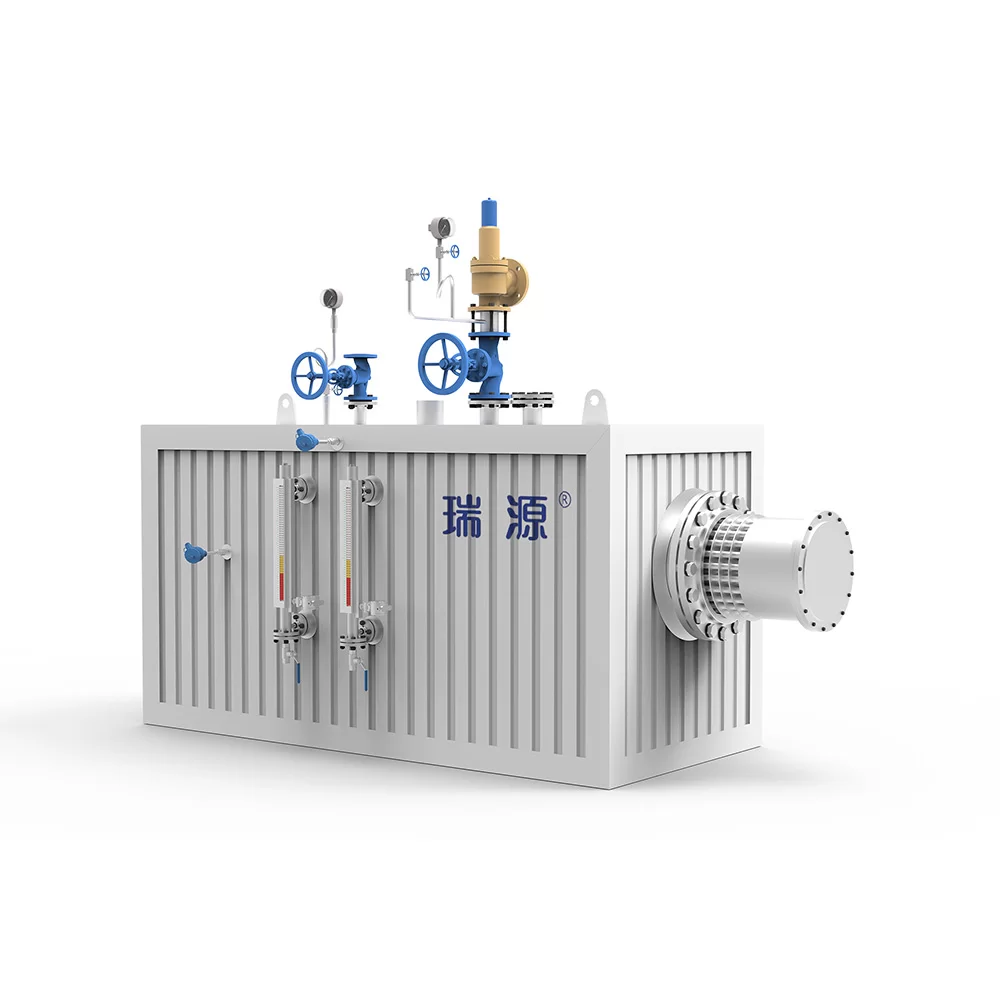
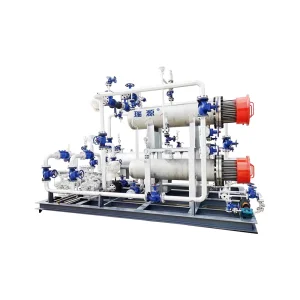
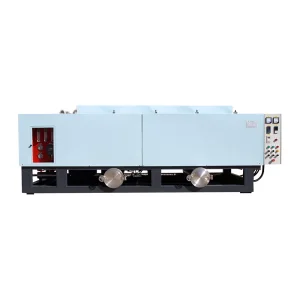
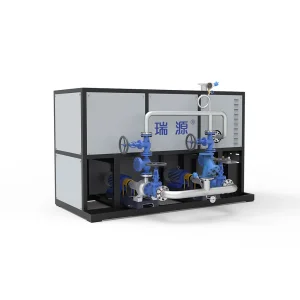
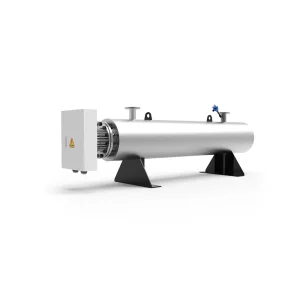
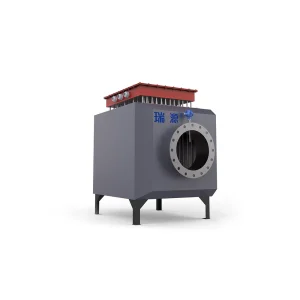
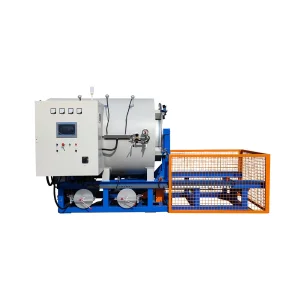
The Biphenyl Steam Generator is a thermal oil-heated system designed to vaporize biphenyl (diphenyl) into high-temperature steam for textile spinning applications. Operating at 257°C (standard pressure) to 280°C (at 0.19MPa), it delivers uniform, stable, and energy-efficient steam for synthetic fiber production.
The Biphenyl Steam Generator is a specialized industrial system designed to vaporize biphenyl (also known as diphenyl or phenyl benzene) into high-temperature steam for use as a heat transfer medium in textile spinning processes. Biphenyl is a preferred heat carrier in synthetic fiber production due to its high boiling point and excellent thermal stability. However, efficient and safe vaporization has traditionally been challenging.
This generator overcomes the limitations of conventional electric heating and standard thermal oil coil designs through an optimized heat exchanger configuration that significantly improves heat transfer efficiency, temperature uniformity, and operational safety.
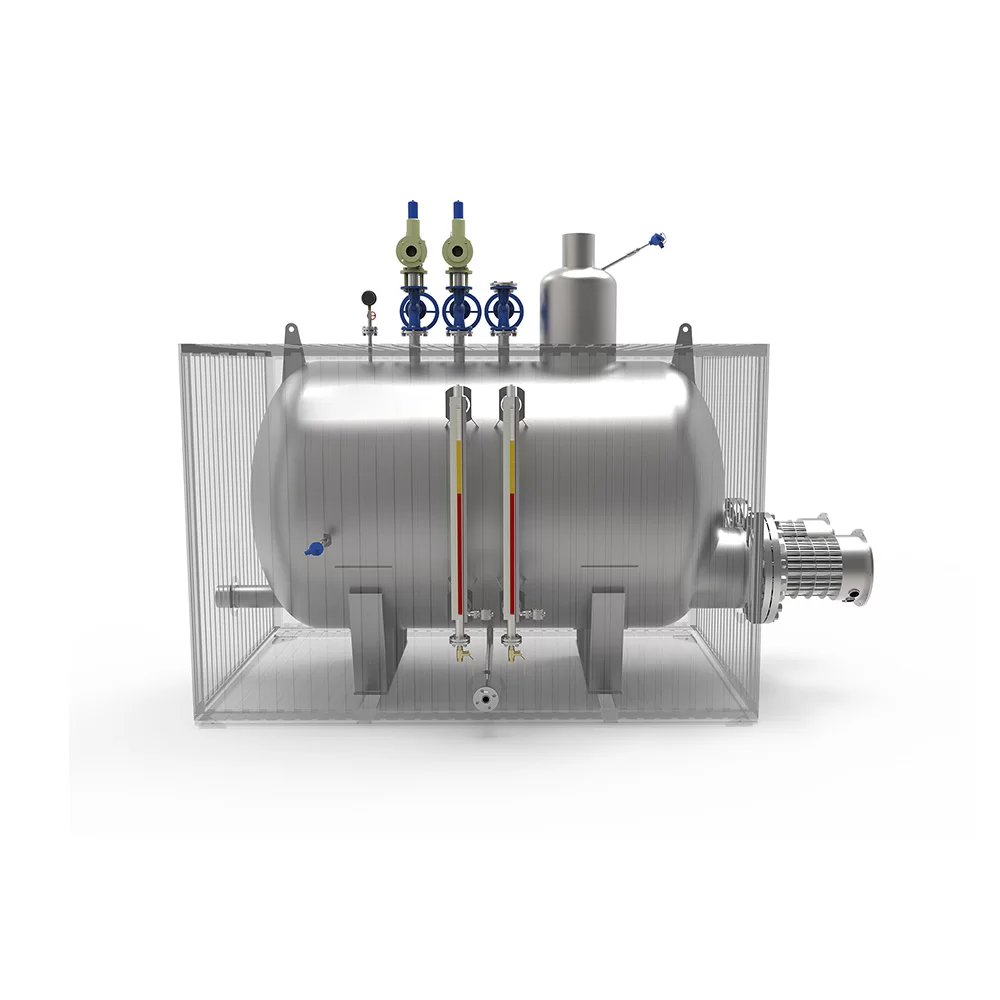
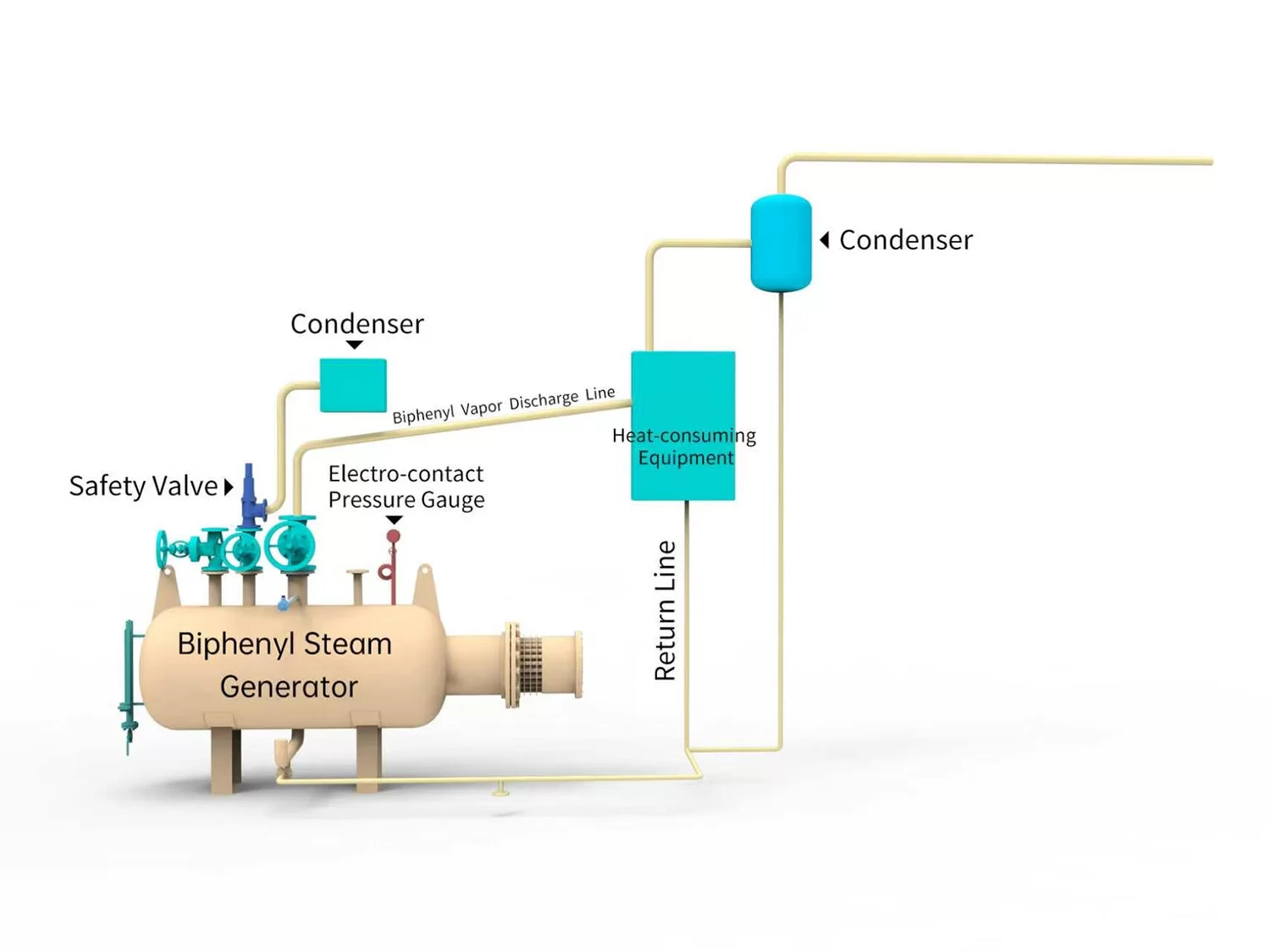
Schematic Diagram
Technical Background – Why Biphenyl Steam?
Parameter
Value
Boiling Point (Standard Pressure)
257°C
Boiling Point (at 0.19 MPa)
Approx. 280°C
Typical Application
Heat medium for textile spinning (polyester, nylon, spandex)
Advantages
High thermal stability, excellent heat transfer properties
How It Works
1
Thermal Oil Circulation: Hot thermal oil (heated by a separate thermal oil heater) enters the generator's heat exchanger at the optimized inlet port.
2
Extended Heat Exchange: The thermal oil follows an engineered flow path that significantly increases residence time compared to standard coil designs, releasing more heat to the biphenyl liquid.
3
Biphenyl Vaporization: Liquid biphenyl in the generator shell absorbs heat. As it reaches its boiling point (257°C - 280°C depending on pressure), it vaporizes into biphenyl steam.
4
Steam Delivery: Biphenyl steam exits through the vapor outlet and is delivered to the textile spinning machine's heating jackets or heat exchangers.
5
Condensate Return: After releasing latent heat, condensed biphenyl liquid returns to the generator for re-vaporization, creating a closed-loop circuit.
Application
Polyester (PET) fiber spinning lines
Nylon (PA6, PA66) fiber production
Spandex (Elastane) manufacturing
Polypropylene and acrylic fibers
Chemical high-temperature vapor heating
Frequently Asked Questions
What is the primary function of a Biphenyl Steam Generator?
It is designed to convert liquid biphenyl into high-temperature vapor, which serves as an efficient heat transfer medium for synthetic fiber spinning processes.
Why is biphenyl used instead of water steam for textile spinning?
Biphenyl has a much higher boiling point (257°C) at atmospheric pressure compared to water, allowing for high-temperature heating without requiring extremely high pressure.
How does the "Extended Heat Exchange" design benefit the process?
It increases the residence time of the thermal oil within the exchanger, leading to higher heat transfer efficiency and more uniform vaporization of the biphenyl.
Is the biphenyl loop open or closed?
It operates as a closed-loop system where the vaporized biphenyl condenses after use and returns to the generator for re-heating.
Can this system be used for different types of synthetic fibers?
Yes, it is widely used in the production of polyester, nylon, spandex, and other polymers that require precise and stable high-temperature control.
What is the typical operating pressure for biphenyl steam?
Typically, it operates around 0.19 MPa to reach temperatures of approximately 280°C, depending on specific production requirements.