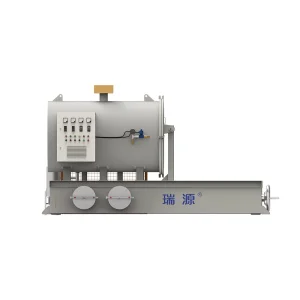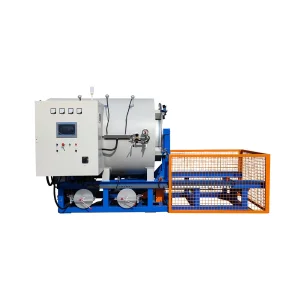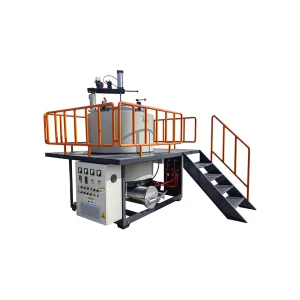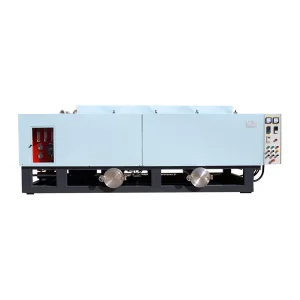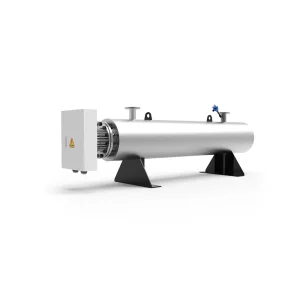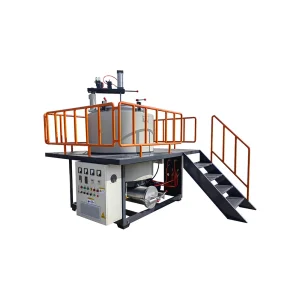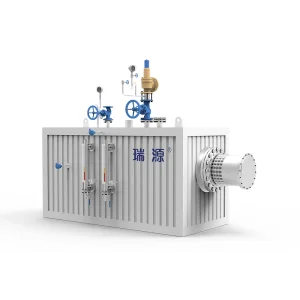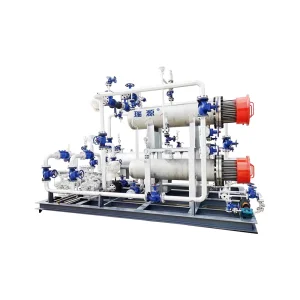
Ethiopia is currently undergoing one of the most ambitious industrial transformations in Sub-Saharan Africa. With the government’s focus on the Homegrown Economic Reform Agenda, sectors such as textiles, apparel, leather, and plastic manufacturing are expanding at an unprecedented rate within the 13+ specialized Industrial Parks like Hawassa, Bole Lemi, and Adama.
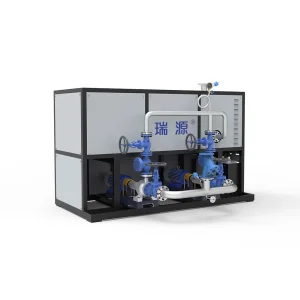
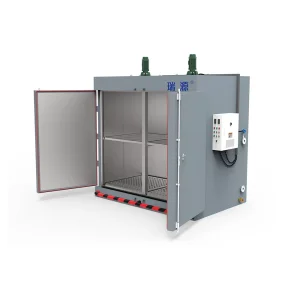
As these industries scale, the demand for precision industrial cleaning has surged. Traditional chemical cleaning methods for spinnerets, filters, and metal parts are increasingly viewed as inefficient and environmentally hazardous. This is where Vacuum Cleaning Furnace technology becomes a critical infrastructure component. By utilizing pyrolysis under vacuum conditions, Ethiopian manufacturers can ensure the longevity of their expensive machinery components while adhering to global environmental standards.
Jiangsu Ruiyuan Heating Equipment Technology Co., Ltd. represents the pinnacle of China's Factory 4.0 philosophy. For Ethiopian importers and factory owners, sourcing from a Factory 4.0 enabled manufacturer means more than just buying a machine; it’s about integrating supply chain resilience. Our production lines utilize automated welding, digital twin monitoring, and rigorous stress testing to ensure every furnace shipped to East Africa can withstand the local power fluctuations and operational demands.
Jiangsu Ruiyuan Heating Equipment Technology Co., Ltd. is a leading Chinese manufacturing entity specializing in the R&D, production, and after-sales service of thermal systems. Our philosophy is rooted in "Integrity as our foundation, quality as our key to success, and continuous innovation."
With over three decades of mastery in boiler and electric heating technology, we specialize in resolving four critical pain points for our global partners:
The global shift toward Circular Economy models is driving the adoption of vacuum cleaning furnaces. Unlike traditional burning or chemical baths, vacuum calcination is a dry process. It prevents the warping of expensive components and eliminates the need for hazardous chemical disposal. In the context of Ethiopia’s "Green Legacy" initiative, adopting carbon-efficient manufacturing technology is not just an operational choice, but a regulatory advantage.
Key Trends: 1. Integration of IoT for remote monitoring; 2. Modular furnace designs for easy expansion; 3. Hybrid heating sources (Electric + Thermal Oil) to optimize energy costs.