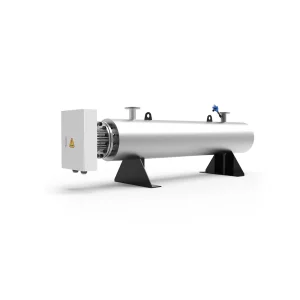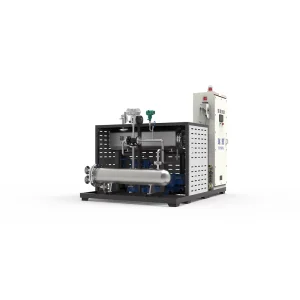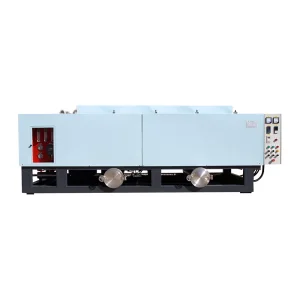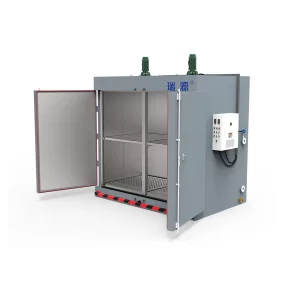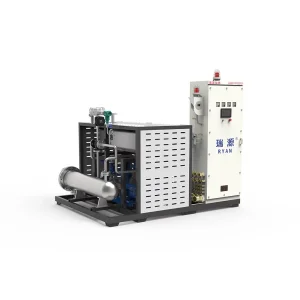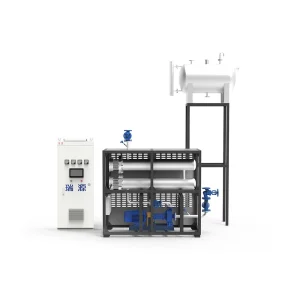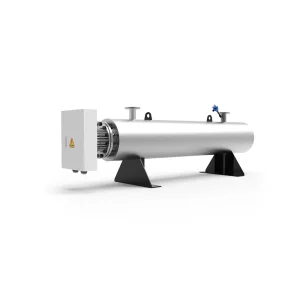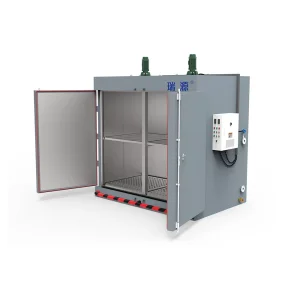
Explore our top engineered thermal oil systems, vacuum calcination cleaning units, and pipe heaters built for precise heat transfer applications.
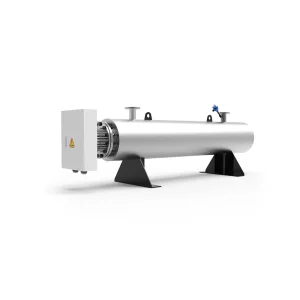
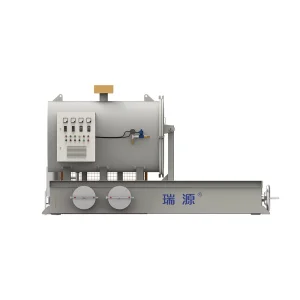
Jiangsu Ruiyuan Heating Equipment Technology Co., Ltd. delivers high-precision OEM thermal solutions to process plants worldwide.
“Integrity as our foundation, quality as our key to success, keeping pace with the times, and continuous innovation.”
— Corporate Culture & Business Philosophy, Jiangsu Ruiyuan Heating EquipmentSpecializing in industrial electric heating systems, Jiangsu Ruiyuan manufactures custom-engineered process heating equipment including electric thermal oil heaters, vacuum cleaning furnaces, air duct heaters, biphenyl steam generators, and all associated accessories. Our core engineering focus is delivering reliability and safety under severe operating conditions.
Industrial thermal projects frequently fail due to design oversights or standard off-the-shelf equipment that is unable to adapt. We work directly with engineering procurement groups to solve four critical pain points:
| Critical Industrial Challenge | Jiangsu Ruiyuan OEM Engineering Solution |
|---|---|
| Inaccurate Heating & Temperature Control | Integration of thyristor (SCR) power control systems combined with advanced PID feedback loops. We provide tight thermal stabilization down to ±0.5°C, preventing localized overheating and degradation of sensitive process media. |
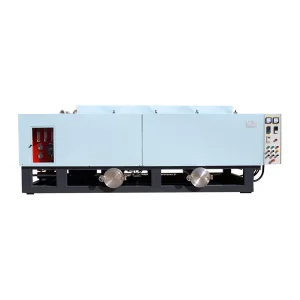
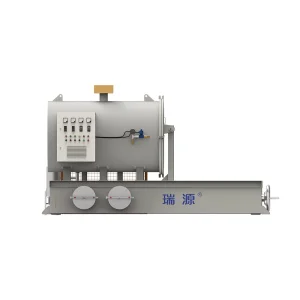
| Difficulties in High-Temperature Cleaning | Customized vacuum cleaning furnaces and calcination ovens designed to cleanly decompose polymer residues (PET, PA, PP, PBT) off spinnerets, filters, and extruder components without causing mechanical or thermal deformation. |
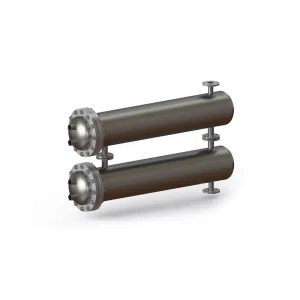
| Slow Pipeline Fluid Heating | Heavy-duty electric pipe heaters and heating systems optimized for viscous fluids (heavy oil, asphalt, bunker fuel) to dynamically lower fluid viscosity and maintain continuous pipeline transit speeds. |
| Challenges in Sourcing Non-Standard Systems | A dedicated engineering division focused entirely on custom skid-mounted packages. We design, mock-up, test, and manufacture tailored footprint layouts that fit complex layouts within existing brownfield operations. |
From petrochemical processing to high-precision synthetic fiber extrusion, our thermal oil systems are built for long-term operational uptime.
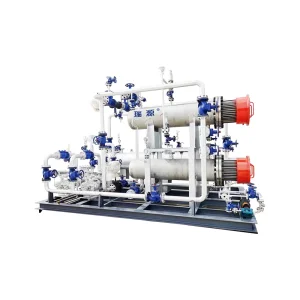
Viscous oils and asphalt require constant thermal energy to flow. Our electric pipe heaters and skid-mounted thermal oil heat exchangers prevent solidification in pipes and storage tanks under harsh conditions.
Polymerization, extrusion, and spinning require high temperatures and absolute uniformity. Our vacuum cleaning furnaces are the industry standard for cleaning polymer residues off spinnerets and melt blown dies.
Using synthetic thermic fluids and specialized biphenyl steam systems, we achieve process temperatures of up to 400°C. This is vital for industrial reactors, distillation units, and jacketed heating systems.
Adapting process heating to meet the demands of global decarbonization, industrial digitalization, and ultra-high efficiency.
Replacing fossil-fuel fired combustion heaters with high-voltage electric thermic fluid heaters. Our system designs drastically reduce direct Scope 1 emissions, operating at up to 99% conversion efficiency while offering modular scaling capability.
Integrating IoT-driven thermal diagnostics. Real-time logging of heat transfer fluid (HTF) film temperatures, viscosity degradation, and element resistance enables predictive warning systems. This keeps operations running smoothly and prevents unplanned shutdowns.
Developing secondary-loop heat exchangers that capture waste thermal energy from hot oil returns. This recovered energy is then redirected to preheat raw feedstock or feed steam lines, reducing overall energy demand.
Combining advanced industrial manufacturing, automated component sourcing, and rapid engineering turnaround.
Located in the heart of China’s industrial manufacturing sector, Jiangsu Ruiyuan operates a manufacturing facility powered by smart CNC machinery, automated shell-and-tube welding systems, and rigorous quality check-gates. Here is how our modern facility helps international buyers:
Meeting international engineering standards and offering remote commissioning support for seamless plant integration.
We build systems to international pressure standards, including ASME Section VIII Div 1, CE-PED (97/23/EC), and domestic GB code requirements, complete with official inspection documents.
For operations handling volatile chemicals, our heaters are custom built to comply with local ATEX, IECEx, or Class I Division 2 explosion-proof requirements. This ensures secure operation in hazardous areas.
From initial design to final startup, our field service engineers provide remote PLC monitoring, calibration checks, and comprehensive on-site commissioning to guarantee smooth startup.
Complete product range for thermal fluid systems, vacuum calcination furnaces, and specialized heavy oil line preheaters.
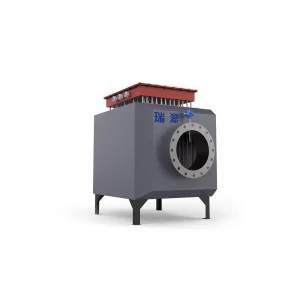
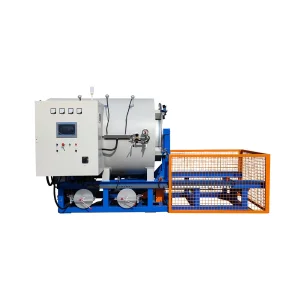
Comprehensive engineering technical support addressing key operational questions on hot oil loops, electric heating, and vacuum thermal cleaning.
A1: Thermal oil systems (organic fluid heaters) transfer heat using high-temperature synthetic or mineral fluids at low operating pressures. While steam systems require high pressure (sometimes over 100 psi) to reach 180°C, thermal oil systems can operate at up to 350°C at normal atmospheric pressure. This reduces high-pressure risks, prevents pipe corrosion, eliminates the need for expensive water treatment systems, and minimizes thermal shock throughout your piping.
A2: Thermal oil degradation (cracking) happens when the fluid's film temperature exceeds the manufacturer's recommended limit. We design our heating elements with a low watt density (typically under 2.0 W/cm² or 13 W/in²) and maintain turbulent flow velocities (above 2.0 m/s) across the heating bundle. This prevents static boundaries, reduces thermal stress, and extends the service life of both the oil and the heating element.
A3: Our vacuum cleaning furnaces operate on the principle of thermal pyrolysis under vacuum conditions. The polymer-coated components are heated up to 350°C–500°C within an airtight chamber. By drawing a vacuum, we limit oxygen levels, which causes the polymer to melt and decompose without burning. The resulting gases are vented to a water scrubber, leaving the delicate steel spinnerets and micro-precision filters clean and free of thermal distortion.
A4: Yes, all our custom control panels can be designed to integrate with plant-wide DCS or SCADA networks. We build custom electrical enclosures equipped with PLC systems (such as Siemens S7 or Allen-Bradley) that communicate via industrial protocols like Modbus TCP/IP, Profinet, or Ethernet/IP. This enables remote tracking of temperatures, pressures, and status alarms.
A5: Safety is built into every layer of our systems. We include multiple safety features: a low-flow switch to prevent fluid stagnation, high-temperature limit controls on both the fluid loop and the heating element surface, differential pressure sensors, thermal expansion safety relief valves, and low-level expansion tank alarms. These components are hardwired to an emergency shutdown loop (ESD) to keep operations safe.