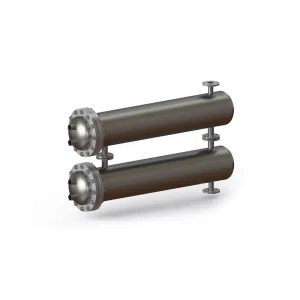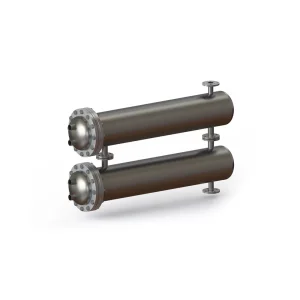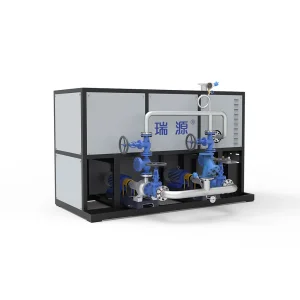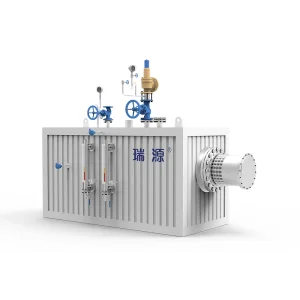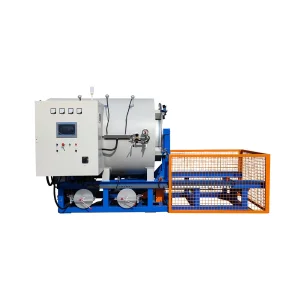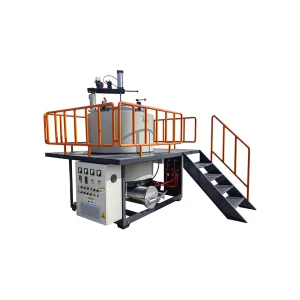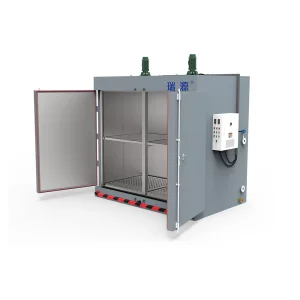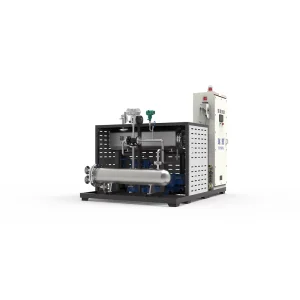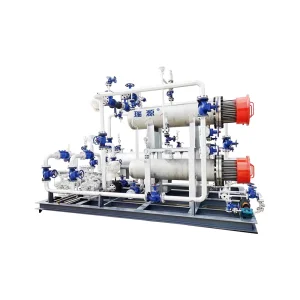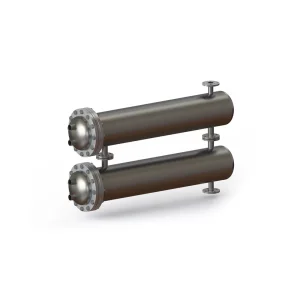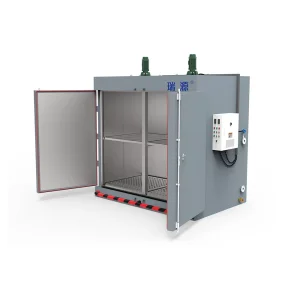
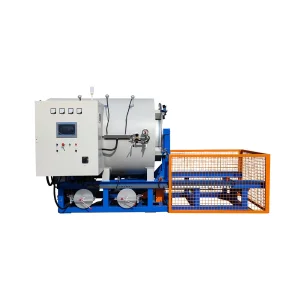
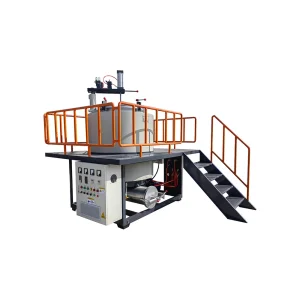
In modern chemical synthesis, petrochemical processing, polymer production, and energy transmission, maintaining the specific viscosity and thermodynamic properties of process fluids as they traverse complex pipeline grids is crucial. Often designated broadly as pip heaters (pipe heaters), these systems provide critical thermal management to prevent fluid solidification, maintain steady viscosity, prevent crystallization, and secure consistent material flow.
A pipeline heating network represents more than a basic resistance cable wrapped around a tube. It is a highly engineered thermal system comprising electric thermal fluid heaters, high-efficiency heat exchangers, Temperature Control Units (TCUs) with sub-degree accuracy, biphenyl steam generators, and highly sophisticated clean-in-place (CIP) vacuum furnaces designed to strip polymer accumulation from process pipes, valves, and extrusion tooling.
Jiangsu Ruiyuan Heating Equipment Technology Co., Ltd. operates with a core philosophy centered on "integrity as our foundation, quality as our key to success, keeping pace with the times, and continuous innovation." Specializing in industrial electric heating systems, Ruiyuan addresses four major challenges for process engineers worldwide:
Prevent fluid degradation, off-spec product outputs, or system freeze-ups with TCU solutions providing up to ±0.5°C tolerance.
Eliminate manual scraping and harsh chemicals with advanced vacuum cleaning furnaces for fast, complete polymer removal.
Reduce system downtime and warm-up cycles via optimized heat-flux designs and custom thermal-fluid kinetics.
Overcome engineering constraints with modular, custom skid-mounted packages tailored to specific spatial and electrical conditions.
In the contemporary industrial equipment landscape, B2B procurement teams focus heavily on the total cost of ownership (TCO), energy conversion efficiency, and strict regulatory compliance. The global pip heating market is experiencing structural changes driven by several macro-environmental developments:
To align with international ESG targets, global processing plants are transition away from fossil-fueled direct-fired heaters toward electric thermal fluid systems. Electric systems run with zero local emissions, boast near-100% energy input conversion efficiency, and feature more responsive, simplified thermal management loops. This transition has led to increased demand for skid-mounted electric thermal oil heaters capable of handling megawatt-range duties.
Industrial installations must satisfy strict regional safety and pressure vessel design standards. A supplier's E-E-A-T (Experience, Expertise, Authoritativeness, and Trustworthiness) is measured directly by their capacity to design, build, and test equipment to meet rigorous international frameworks:
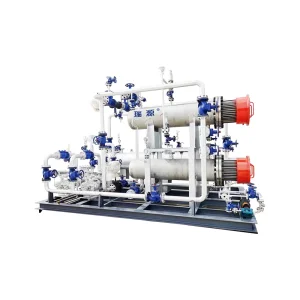
Plant managers look to compress installation lead times by sourcing fully integrated, skid-mounted systems. These modular units are pre-piped, pre-wired, and fully tested at the factory, turning onsite tasks into basic tie-ins for process fluid, electrical power, and control communications.
| Heating Technology Class | Usual Temperature Range | Precision Limits | Primary Industrial Applications | Core Sourcing Considerations |
|---|---|---|---|---|
| Electric Thermal Oil Systems | Ambient to 350°C | ±0.5°C to ±1.0°C | Petrochemicals, Polyester processing, Food, Wood molding | Flow rates, watt density limitations, thermal oil degradation |
| Biphenyl Steam Generators | 250°C to 400°C | ±0.2°C (Vapor phase) | Synthetic fiber lines, high-temperature chemical reactions | Pressure vessel certifications, dual-phase seal integrity |
| Vacuum Cleaning Furnaces | Ambient to 550°C | ±5°C (Pyrolysis Zone) | Filter elements, spinnerets, extrusion dies, polymer cleaning | Vacuum seal durability, off-gas scrubbing systems |
| Direct Pipeline Air Heaters | Ambient to 800°C | ±1.5°C | Hot air piping, curing ovens, dry air system loops | Element sheath selection, high-velocity pressure drops |
In large-scale chemical processing plants, pipeline heating systems must function as part of an integrated, plant-wide thermodynamic balance. System design involves managing fluid dynamics, surface heat transfer coefficients, and thermal loss profiles.
While external electrical heat tracing is suitable for maintaining temperatures along long pipe runs, processing networks often require Direct Fluid Heating to raise process fluid temperatures or manage thermal loads. In these systems, a thermal fluid (often synthetic oil or biphenyl) is heated by an electric thermal oil heater and pumped through jacketed pipes or high-efficiency shell-and-tube heat exchangers. This indirect method prevents localized hot spots that can cause thermal degradation of sensitive polymers or hydrocarbon chains.
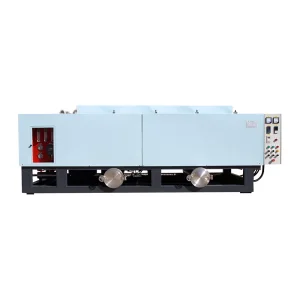
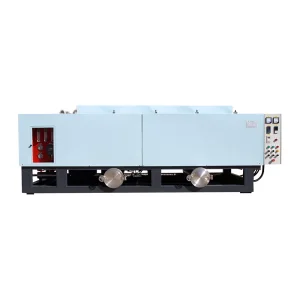
In the synthetic fiber and polymer industries, pip heaters are accompanied by another critical thermodynamic system: the Vacuum Cleaning Furnace. Over time, pipeline components, extrusion dies, spinnerets, and filter elements experience polymer buildup, which constricts flow paths and disrupts thermal stability.
Traditional cleaning methods (such as manual brushing, chemical baths, or open burning) are labor-intensive, create safety risks, and can damage high-precision parts. Vacuum thermal cleaning operates by heating components in a vacuum chamber, causing the polymer to melt and undergoes pyrolysis. The resulting gases are evacuated and treated in a thermal oxidizer or water scrubber, leaving the core piping parts completely clean.
As industrial processes adopt digital and smart technology, heating equipment is evolving to match. The technical roadmap for industrial pipeline heaters and thermal control units is defined by several key areas:
Integration of PLC systems with advanced algorithms (such as fuzzy logic and PID loops) to dynamically adjust power output based on real-time fluid flow fluctuations. This maintains temperature tolerances within ±0.2°C.
Continuous monitoring of heating element resistance, fluid flow rates, and insulation integrity. Cloud-based predictive models notify operators of potential element degradation before a system failure occurs.
Developing vacuum cleaning furnaces that feature integrated closed-loop vapor recovery systems, minimizing the environmental footprint and reducing overall energy consumption per cycle.
When sourcing industrial heaters and thermal systems from China or global suppliers, engineering teams should evaluate prospective manufacturers against a set of key technical criteria:
Many high-viscosity materials, like synthetic polymers, food ingredients, or specialty chemicals, have narrow processing windows. If the temperature drops slightly, the material can solidify and block the line. If it rises too high, the fluid can degrade or crack. Using advanced TCUs that maintain temperature within ±0.5°C ensures product quality and protects system equipment.
Vacuum cleaning furnaces eliminate the need for toxic chemicals, solvents, and manual scraping. They use thermal pyrolysis to decompose polymer buildup without exposing equipment to mechanical stress or wear. This extends the service life of extrusion dies, filter screens, and spinnerets while lowering operational costs and increasing worker safety.
Biphenyl steam generators operate using vapor-phase heat transfer, which provides uniform temperatures across large surface areas by utilizing the latent heat of vaporization. Standard thermal oil systems use liquid-phase heat transfer, requiring higher circulation flow rates to maintain temperature uniformity. Biphenyl systems are typically preferred for high-precision, high-temperature textile and chemical fiber production.
B2B buyers should look for international certifications matching their region's requirements. This includes ASME Section VIII for pressure vessel designs, CE/PED for European applications, ATEX/IECEx for hazardous locations, and UL/CSA certifications for control panels and electrical heating element components.
Manufacturers like Ruiyuan collaborate with client engineering teams to assess target flow rates, heat flux constraints, spatial dimensions, and electrical layouts. They then design custom skid-mounted assemblies that integrate the heating element, pump, expansion tank, valves, and controls onto a single frame for simplified onsite setup.