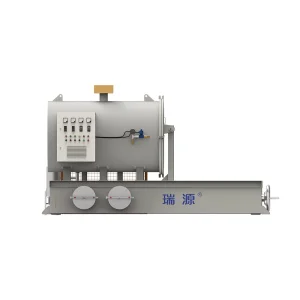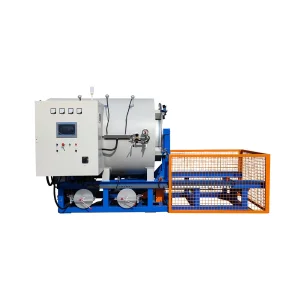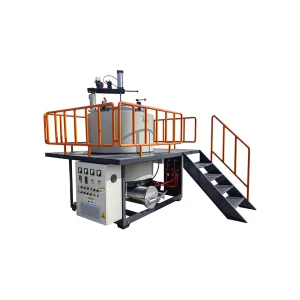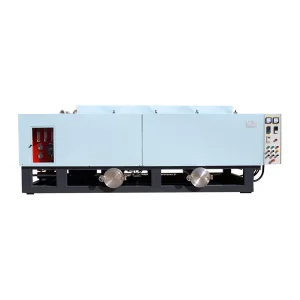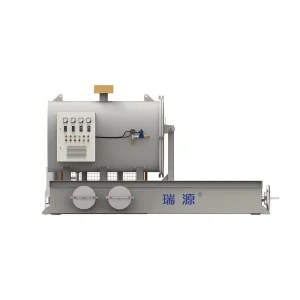
Melbourne, as Victoria's industrial heartbeat, is undergoing a significant transformation towards Industry 4.0 and sustainable manufacturing practices. From the automotive clusters in Dandenong to the chemical processing plants in Campbellfield, the demand for precision cleaning of complex industrial components has never been higher. Traditional cleaning methods involving aggressive chemicals or manual scraping are being phased out in favor of Vacuum Calcination Technology.
The local Melbourne market faces unique challenges: stringent environmental regulations (EPA Victoria), rising energy costs, and the need for rapid turnaround in production lines. Our systems are specifically engineered to address these hurdles by providing a "dry" cleaning process that eliminates hazardous waste streams associated with salt baths or solvent cleaning.
Jiangsu Ruiyuan Heating Equipment Technology Co., Ltd. represents the pinnacle of Chinese industrial engineering. For over three decades, we have bridged the gap between cost-efficiency and high-end technological performance. Our integration into the Melbourne market is built on four pillars of E-E-A-T:
Energy Efficiency & Part Longevity Analysis
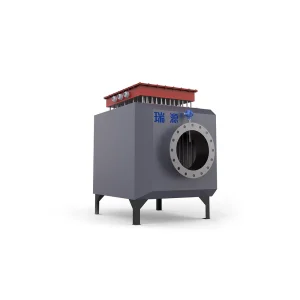
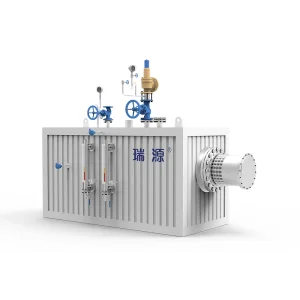
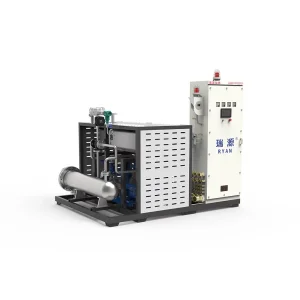
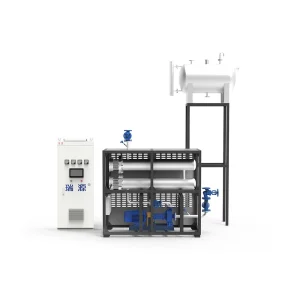
As the world moves toward Carbon Neutrality, Melbourne industries are prioritizing electrical heating over gas-fired systems. Our Explosion-Proof Electric Thermal Oil Boilers and High Precision Duct Heaters are at the forefront of this shift. By utilizing renewable electricity from Victoria's grid, manufacturers can significantly lower their Scope 1 emissions.
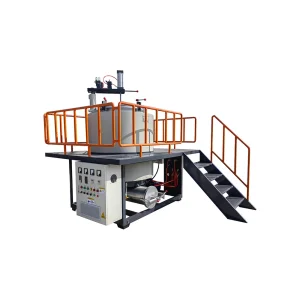
1. Plastic Recycling: In the Dandenong South recycling hub, our Vacuum Calcination Ovens are used to clean extrusion screws and die plates fouled with recycled PET and HDPE.
2. Medical Devices: Melbourne's thriving med-tech sector utilizes our high-precision air heaters for clean-room sterilization and component curing.
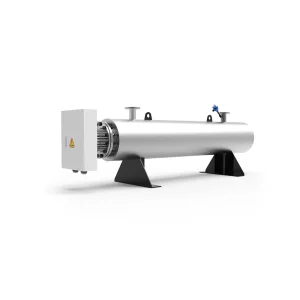
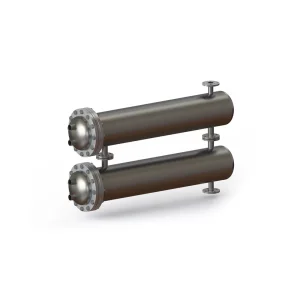
3. Heavy Oil Processing: Our industrial electric pipe heaters are essential for maintaining the viscosity of heavy oils in the Port of Melbourne's logistics and storage facilities.
The primary benefits include zero chemical usage (environmentally friendly), preservation of metal hardness (prolonging part life), and fully automated cycles that reduce labor costs. It is the cleanest method for removing polymers like PP, PE, and Nylon.
We use advanced PID control systems and high-quality sensors that provide accuracy within ±1°C. This is critical for processes where temperature fluctuations can lead to product defects or safety hazards.
Standard units typically have a production lead time of 4-6 weeks, with sea freight to the Port of Melbourne taking approximately 3 weeks. We provide full logistics support and documentation for Australian Customs.
Absolutely. Over 60% of our production is dedicated to non-standard, custom-engineered equipment. We work directly with your engineering team to design systems that fit your specific spatial and power constraints.
Jiangsu Ruiyuan Heating Equipment Technology Co., Ltd. is a Chinese manufacturing company specializing in research and development, production, sales and after-sales service. ‘Integrity as our foundation, quality as our key to success, keeping pace with the times, and continuous innovation’—this is our corporate culture and business philosophy.
With over 30 years of experience in boiler R&D and manufacturing, Ruiyuan specializes in industrial electric heating equipment. Its product range includes electric thermal oil heaters, vacuum cleaning furnaces, air heaters, biphenyl steam generator, and related accessories. We primarily assist customers in resolving four key challenges: inaccurate heating and temperature control, difficulties in high-temperature cleaning, slow pipeline heating, and challenges in sourcing non-standard equipment.