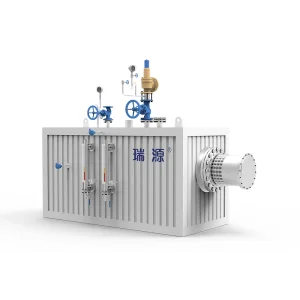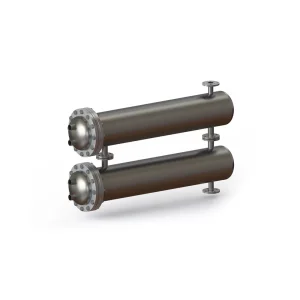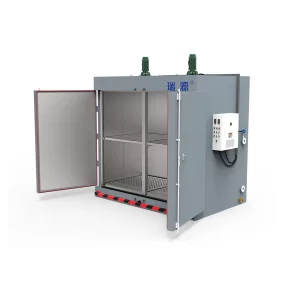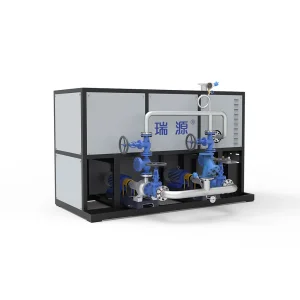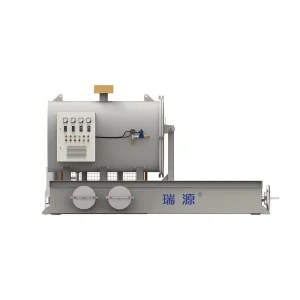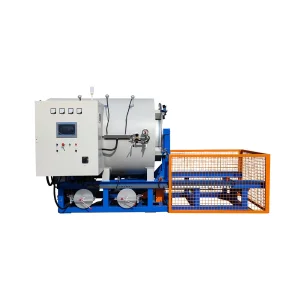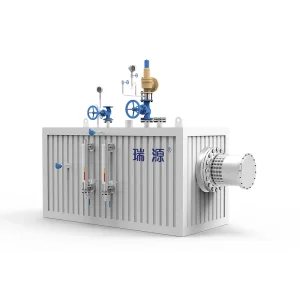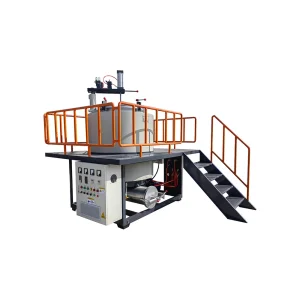
Boston, Massachusetts, has long been a global epicenter for innovation, particularly in the fields of biotechnology, aerospace engineering, and advanced materials research. As these industries push the boundaries of precision, the demand for sophisticated thermal management and polymer removal equipment—specifically vacuum cleaning furnaces—has surged. In the context of Pressure Vessel manufacturing, Boston represents a critical node where academic research meets heavy industrial application.
In the Greater Boston area, from the Route 128 tech corridor to the Seaport District, precision is the primary currency. Companies specializing in medical device manufacturing and 3D printing (additive manufacturing) require impeccable cleanliness for their components. A vacuum cleaning furnace is not merely a piece of hardware; it is a critical "Enabling Technology." Whether it is removing residual polymers from complex spinnerets used in synthetic fiber production or cleaning high-value aerospace filters, the transition from traditional salt baths to vacuum-based pyrolysis is a hallmark of Boston's commitment to "Green & Clean" manufacturing.
Globally, the industrial heating equipment market is shifting toward electrification and automation. The Pressure Vessel industry is currently witnessing a transition where safety standards (such as ASME in the US and PED in Europe) are being integrated with AI-driven monitoring systems. Manufacturers in Boston are increasingly looking for partners who can bridge the gap between "Western Design Standards" and "Eastern Manufacturing Efficiency."
As a leading Chinese manufacturing company, Jiangsu Ruiyuan Heating Equipment Technology Co., Ltd. provides a unique "Information Gain" to the Boston market. While local Boston manufacturers excel in niche prototyping, our Jiangsu-based facility offers a vertically integrated supply chain that reduces lead times by up to 40% compared to traditional US-only fabrication. We leverage advanced automated welding and X-ray flaw detection for every Pressure Vessel, ensuring that the "Made in China" tag represents the pinnacle of reliability and cost-effectiveness.
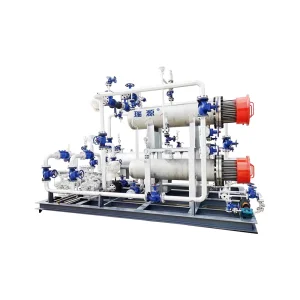
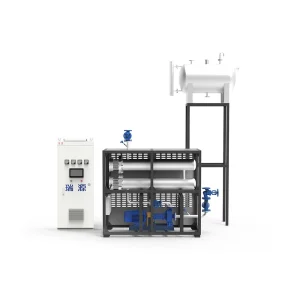
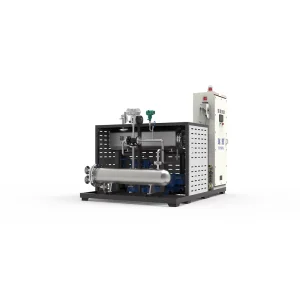
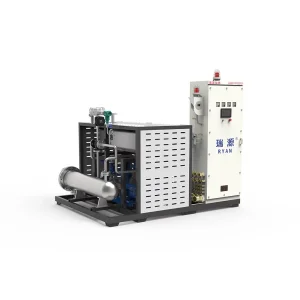
The future of vacuum cleaning furnaces lies in Carbon Neutrality. By moving away from chemical solvents and adopting electric-powered vacuum pyrolysis, factories in Boston can significantly reduce their VOC emissions. We are currently integrating IoT sensors into our thermal oil heaters, allowing Boston plant managers to monitor furnace health from their smartphones in real-time.
Jiangsu Ruiyuan Heating Equipment Technology Co., Ltd. is more than just a supplier; we are a strategic partner in thermal technology. Our corporate culture—"integrity as our foundation, quality as our key to success, keeping pace with the times, and continuous innovation"—resonates with the high standards expected in the Boston industrial sector.
With over three decades of experience in boiler R&D, Ruiyuan specializes in solving the "Four Pain Points" of the industry:
Our systems provide precise temperature regulation for sensitive chemical processes.
High-temperature vacuum technology eliminates the need for manual scrubbing or toxic chemicals.
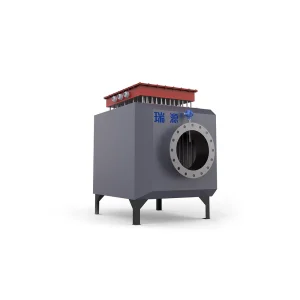
Specialized electric duct heaters ensure consistent flow in viscous fluid transport.
We design bespoke Pressure Vessels tailored to specific Boston facility constraints.
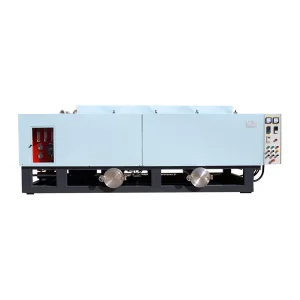
Vacuum cleaning furnaces utilize heat and vacuum to decompose polymers (pyrolysis) safely. Unlike salt baths, there is no risk of chemical burns, no hazardous waste disposal costs, and the process is much gentler on the expensive metal components being cleaned.
Yes, our equipment can be manufactured to meet ASME standards. We utilize rigorous testing protocols, including ultrasonic and radiographic testing, to ensure every vessel handles high-pressure environments safely.
Biphenyl systems use the latent heat of vaporization. Since the vapor fills the entire jacket of the reaction vessel, it provides a perfectly uniform temperature distribution that is impossible to achieve with standard liquid-phase heaters.
Typically, custom manufacturing takes 4-6 weeks, with an additional 3-4 weeks for sea freight. However, for urgent "Line Down" situations, we offer expedited air freight for critical thermal components.